Digital Nomad Life
Digital Nomad Health: How to Stay Well When You're Always on the Move
From posture problems to jet lag, eye strain to gut health, here are the most common health challenges digital nomads face and exactly how to tackle them on the road.
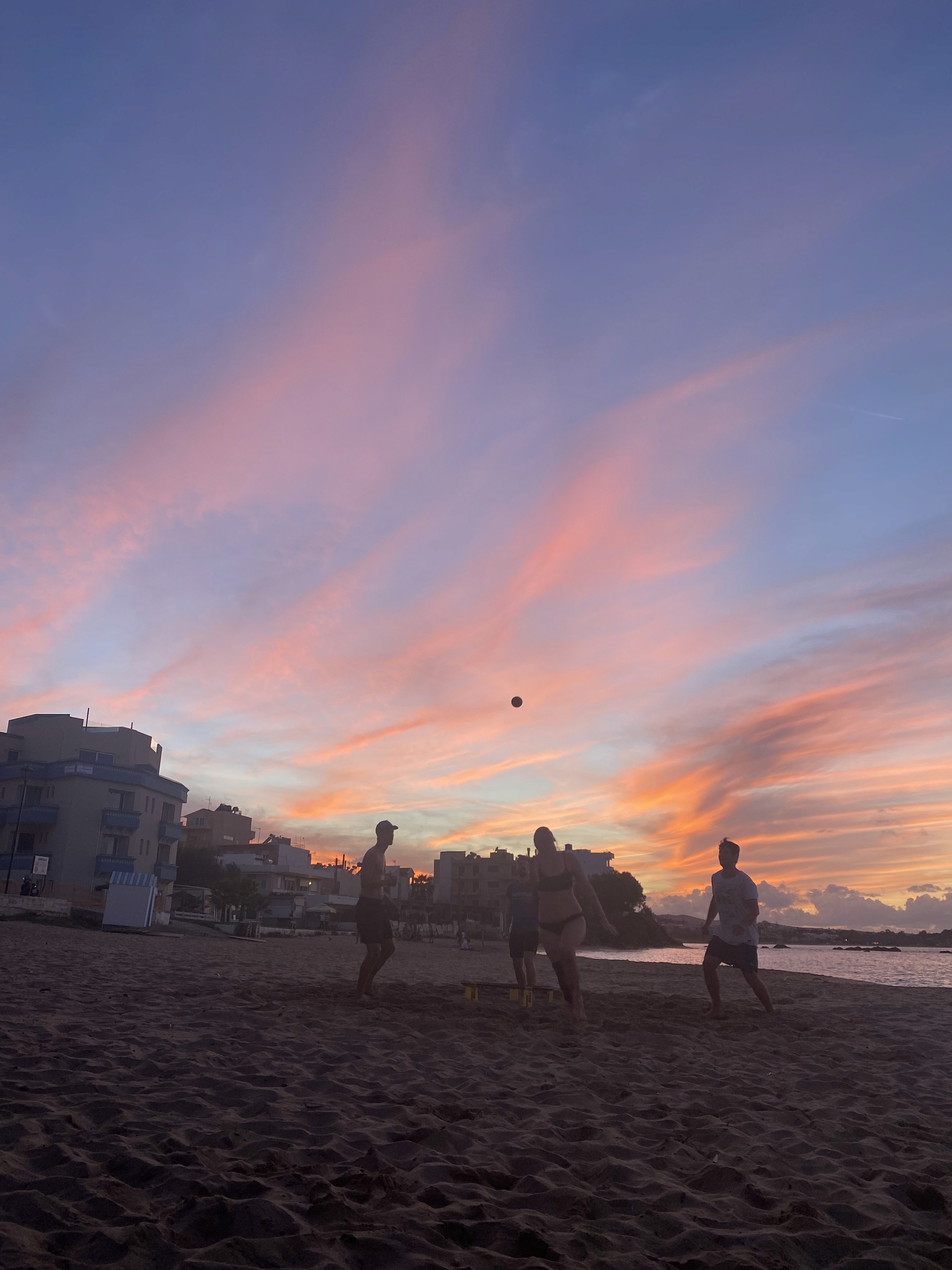
Staying healthy while travelling full time takes more deliberate effort than most people expect before they start. The nomad lifestyle is extraordinary, but it comes with a specific set of physical and mental health challenges that can quietly compound if you ignore them. Here is what to watch for and how to stay on top form wherever you are.
Posture and Back Pain
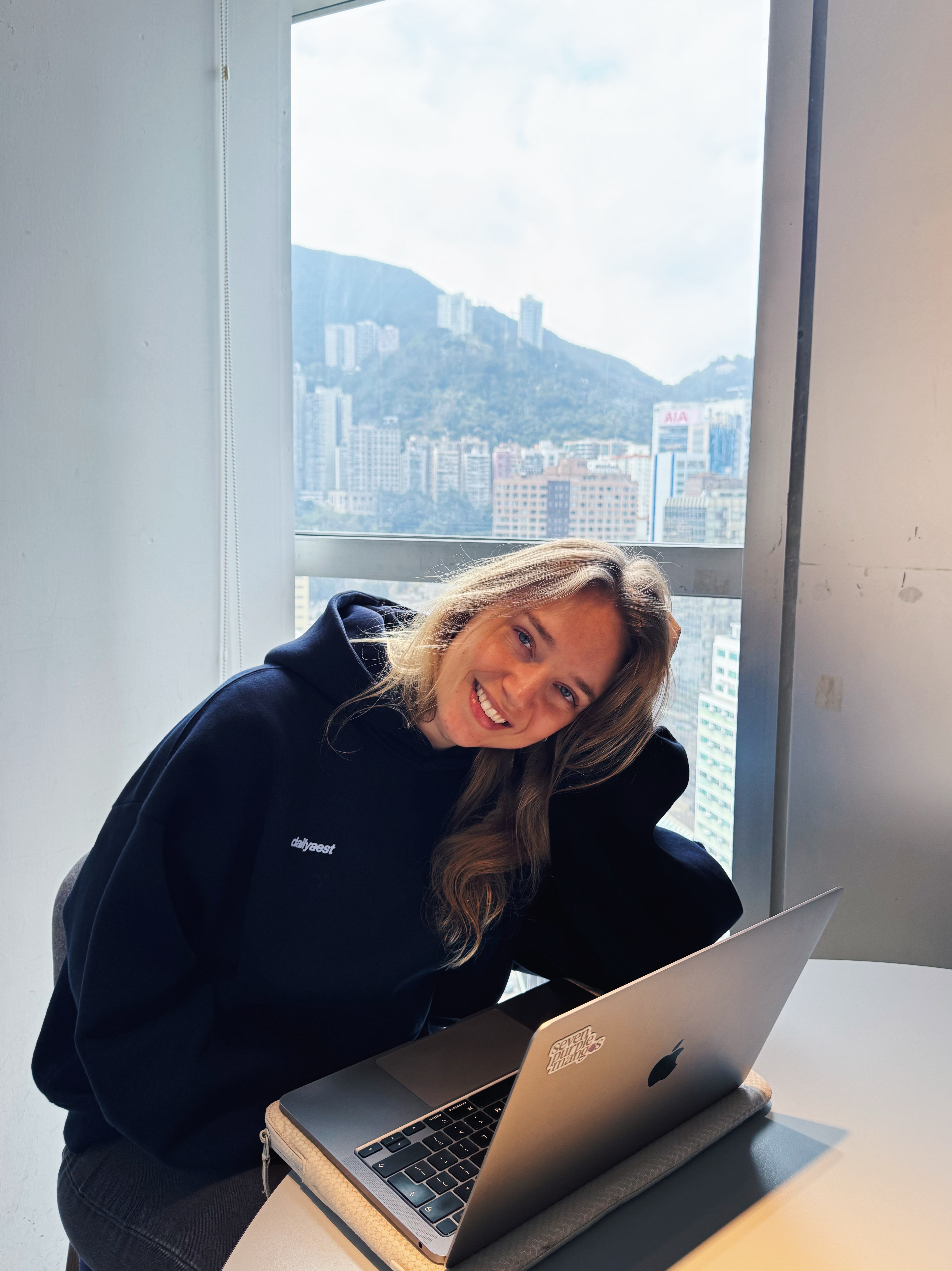
Most coworking spaces and cafes were not designed with ergonomics in mind, and hours spent hunched over a laptop on a hostel bed or a low cafe table add up fast. Poor posture creates back and neck pain that can become a serious long-term issue if left unchecked.
The fix is simple but worth investing in. A portable laptop stand and wireless keyboard transform almost any surface into a functional, spine-friendly workspace. Aim for the 90-90-90 rule when you sit: ankles, knees, and hips all at right angles, with your screen at eye level. Stretch regularly throughout the day. Apps like Down Dog offer guided yoga sessions that work even in the smallest spaces.
Sedentary Habits
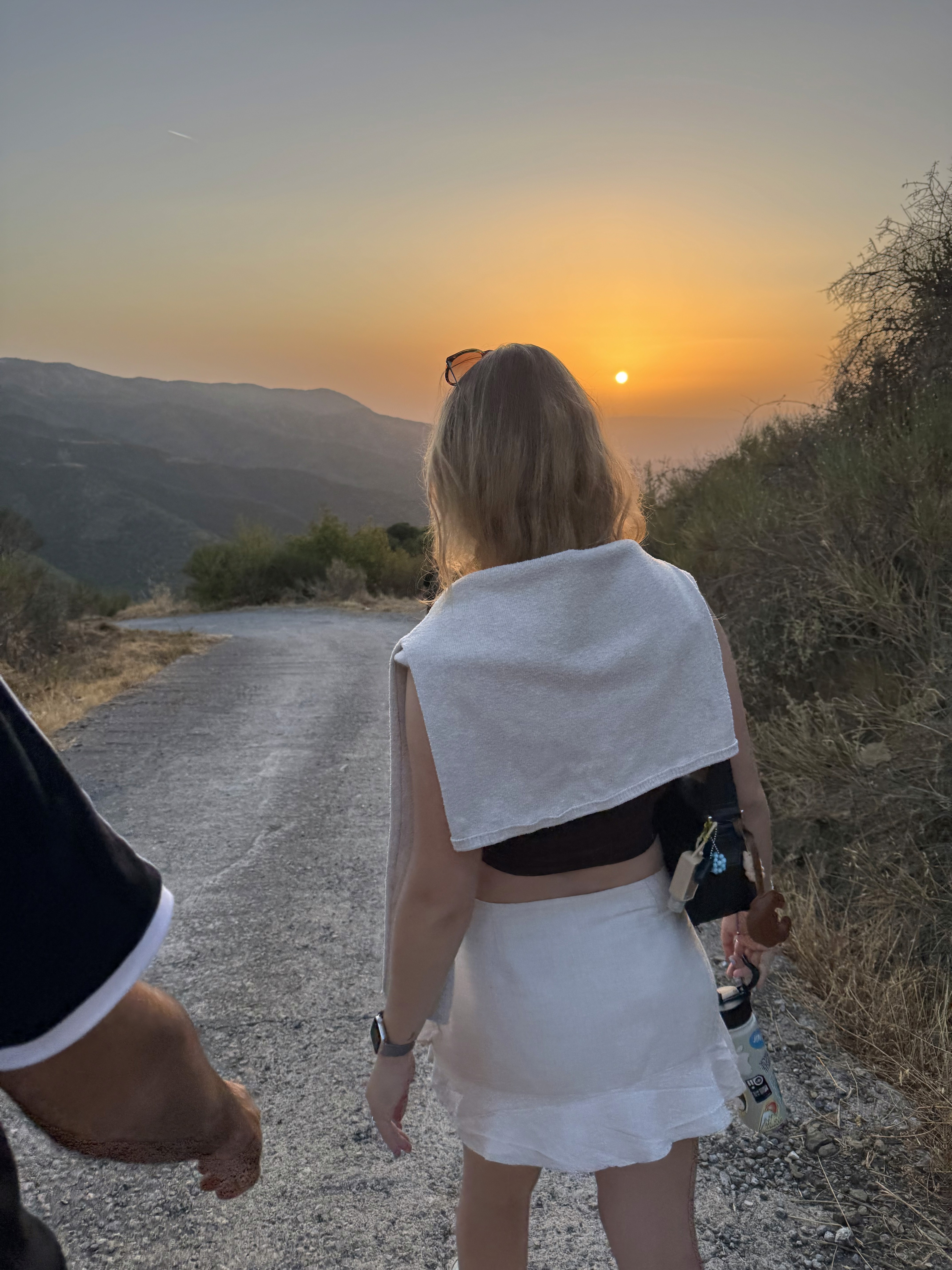
Screen time is the job, and it is easy to finish a full working day having barely moved. Sustained physical inactivity raises the risk of weight gain, fatigue, and longer-term chronic health problems.
Short bursts of movement built into your workday make a real difference. A quick bodyweight workout on your break, a walk to explore a new neighbourhood, a hike, surf session, or bike ride on your time off. Exercise and sightseeing at the same time is one of the genuinely underrated perks of this lifestyle. Use it.
Eye Strain
Long hours on screens cause eye strain, headaches, and fatigue, particularly when you are working in dim lighting or adjusting to a new time zone. The 20-20-20 rule is your best daily habit here: every 20 minutes, look at something at least 20 feet away for 20 seconds. This gives your eye muscles a genuine rest and is recommended by optometrists specifically for screen-heavy work.
Blue light blocking glasses are a popular recommendation in nomad circles. The evidence on them is mixed. Where they show the most consistent benefit is in the evening specifically, worn in the few hours before sleep, where blocking blue light supports melatonin production and makes it easier to wind down. Wearing them all day for eye strain relief has less scientific backing. Evening use is the smarter approach.
Jet Lag
Crossing time zones disrupts your circadian rhythm and produces insomnia, fatigue, and a general inability to function at your best. A consistent sleep schedule, even an imperfect one, gives your body an anchor across location changes.
Melatonin supplements have solid evidence behind them for helping reset your body clock when taken correctly: a low dose, timed to your target bedtime in the new time zone, in the days around your flight. Avoid caffeine in the late afternoon and evening. An app like Sleep Cycle can help you track your sleep quality and identify patterns worth addressing.
Diet and Gut Health
Eating out constantly, navigating unfamiliar cuisines, and encountering different food storage and preparation standards all take a toll on your digestive system. Most nomads deal with gut issues at some point, and I am no exception.
Cook in your accommodation when you can. Stock up on healthy snacks: nuts, fruit, granola bars. A daily probiotic supplement is genuinely useful for gut resilience when you are moving between countries and cuisines regularly. Enjoy the local food, because it is one of the best parts of travel, just balance it with whole foods when you have the option.
Mental Health
The nomad life can feel isolating, and it is important to say that clearly. Constant change, work pressure, homesickness, time zone gaps from friends and family, and the absence of a regular social routine all create real mental health strain if you are not actively managing them.
Routine and community are the two most effective tools here. Schedule regular video calls with people at home. Attend digital nomad meetups wherever you are. Apps like Meetup, Internations, and Nomads.com surface events and communities in most cities. Give yourself full permission to take a break when you need one. Your work will still be there when you return.
Vitamin D Deficiency
Spending long hours indoors and moving through different climates and seasons means many nomads end up deficient in Vitamin D, even those based in sunny destinations. Vitamin D supports bone health, immune function, and mood regulation.
Aim for 10 to 15 minutes of direct sun exposure daily. A short walk outside in the morning or a coffee on a terrace covers it. In regions or seasons where sun exposure is limited, a Vitamin D supplement is a simple and effective solution. It is worth getting your levels tested periodically if you can access a doctor or clinic.
General Illness and Immunity
Moving through airports, hostels, and coworking spaces across multiple countries raises your exposure to bacteria and viruses considerably. Frequent hand washing and carrying hand sanitiser are basic but genuinely effective habits. Stay hydrated, take a daily multivitamin, and get adequate sleep, all of which directly support your immune response.
Get travel insurance that covers medical emergencies before you leave. Knowing you have access to care wherever you are removes one significant source of stress and means you seek treatment early rather than hoping something resolves on its own.
Maintaining your health on the road is what makes the rest of the lifestyle sustainable. Build these habits in early and they become second nature.
This article is for general informational purposes only and does not constitute medical advice. Consult a qualified healthcare professional before starting any supplement regimen or if you have specific health concerns.
Follow to learn & travel more
Simple guidance and ideas to earn remotely and start traveling the world