Digital Nomad Life
The Digital Nomad Loneliness Paradox, Explained
Nearly half of digital nomads feel lonely often, and it gets worse the longer they stay on the road. Here's the real reason, and what actually helps.
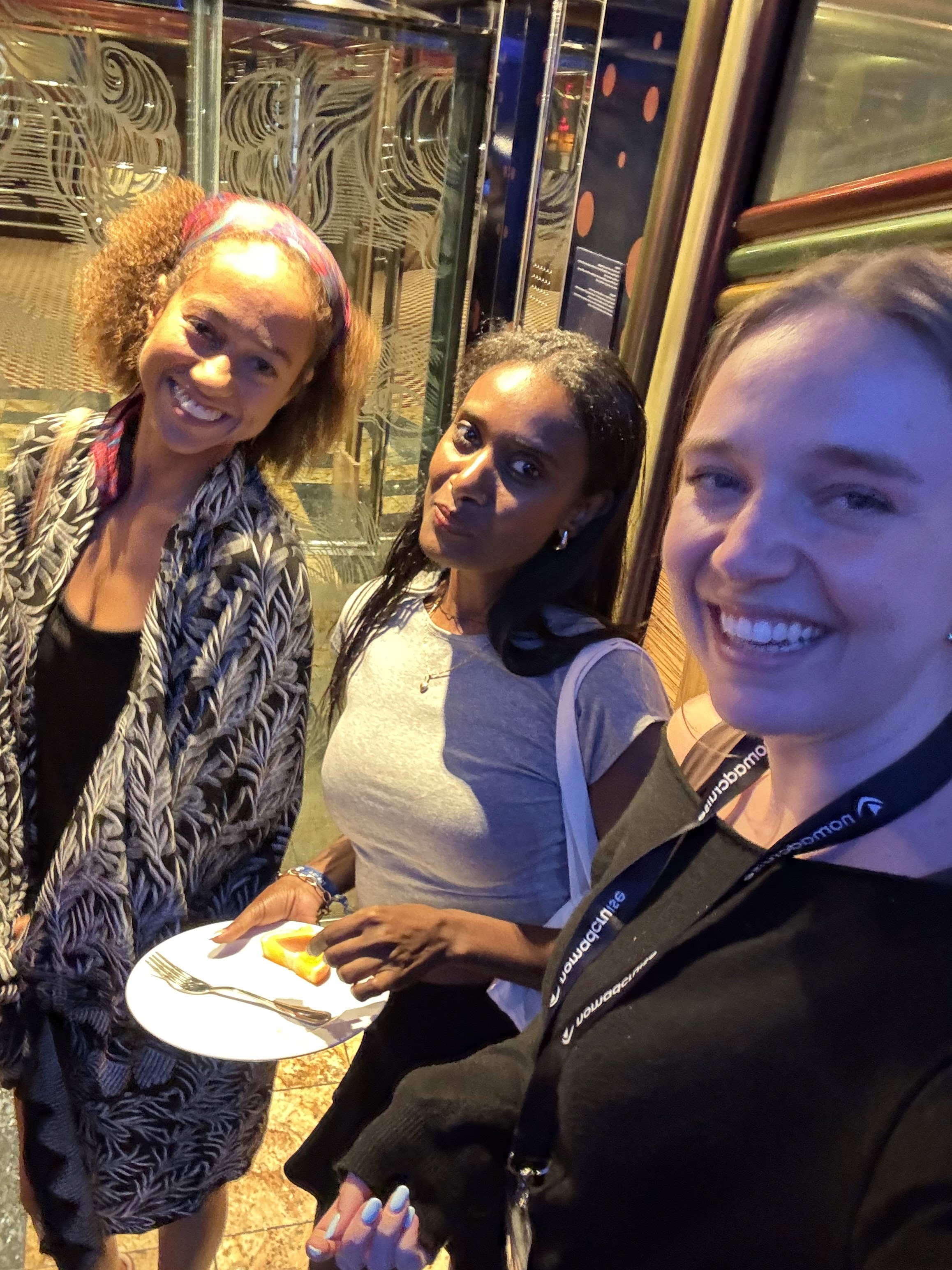
You've met more people this year than most people meet in five. You've had coffee with strangers who became friends by Thursday and were gone by Sunday. Your phone is full of numbers from six countries. And you still feel lonely more often than you'd like to admit.
That's a pattern researchers are now putting numbers on, and once you see the numbers, the feeling makes a lot more sense.
The stats nobody puts on a postcard
A 2023 survey by Passport Photo Online found that 77% of digital nomads have experienced burnout from their work at least once, rising to 80% among nomad entrepreneurs. The same study found that around 40% of location-independent workers feel lonely often or always. Other surveys put that number anywhere between 24% and 45%, depending on how the question is asked. Every version of the question lands in the same place: loneliness is a standard feature of this lifestyle, common enough that researchers keep measuring it.
Burnout numbers for remote workers generally tell a similar story. Research from Eagle Hill Consulting, published in 2025, found that 61% of fully remote employees report burnout, compared with 57% of hybrid workers and 55% of the workforce overall. Nomads sit on top of that baseline. They're remote, and they're also constantly rebuilding their entire physical and social world every few weeks.
The parts nobody photographs, the empty Tuesday evenings, the fifth "so where are you from" of the week, are real enough that researchers are now studying them properly.
Why being around people doesn't fix it
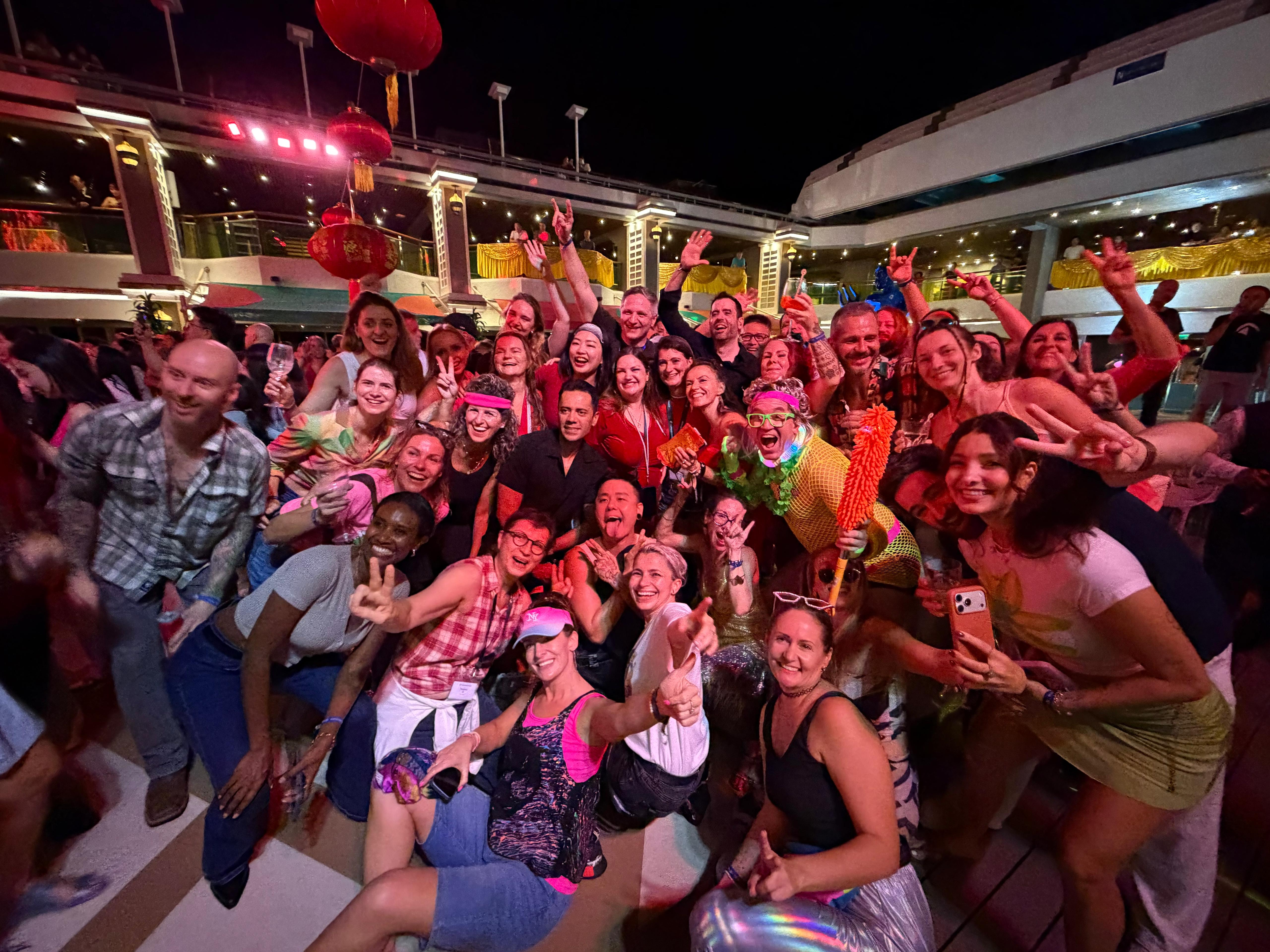
Here's the part that trips people up: nomads tend to have more social contact than almost anyone, meeting new people constantly through coworking spaces, hostels and events. A 2025 study published in the journal Media, Culture & Society, based on 30 in-depth interviews with digital nomads, traced the loneliness back to something more specific: a constant cycling through relationships that never get the chance to deepen.
You meet someone at a coworking space, click instantly, and then one of you leaves in ten days. Repeat that fifty times and you end up with a strange kind of social fatigue: technically well-connected, genuinely under-known. The researchers described digital nomad social media use as split between apps that help you meet people quickly (think Instagram, Facebook groups, Meetup) and the ones that maintain the few relationships that actually matter (usually WhatsApp). The first kind is abundant. The second kind stays scarce.
This is the paradox in one sentence: quantity of connection goes up, depth goes down, and depth is the thing your brain was actually asking for.
What tends to make it worse
A few patterns show up again and again in nomads who describe themselves as lonely:
Moving fast. Two to three weeks in a city is rarely enough time for a friendship to get past small talk. You leave right as it might have gone somewhere.
Skipping the boring rituals. The same gym, the same café, the same Tuesday run club, these repeat encounters are what turn strangers into people who notice when you're not around. Constant novelty skips that step entirely.
Outsourcing connection to your phone. Messaging people back home feels like maintaining relationships, but it can quietly replace building new ones where you actually are.
This is simply what happens when your environment resets every few weeks and your nervous system never gets the signal that it's safe to invest.
What actually helps, based on what people who've fixed it do differently
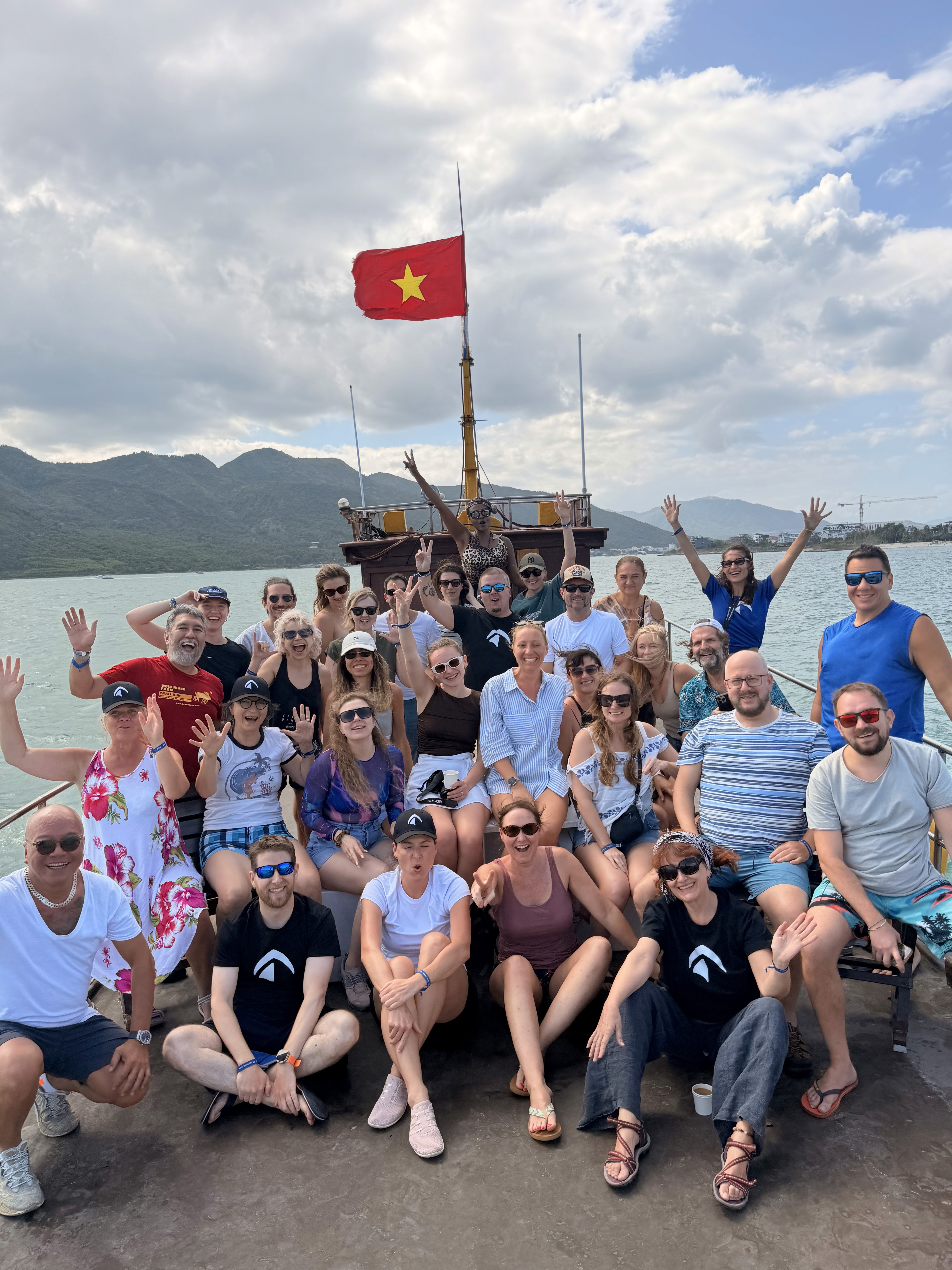
There's no version of this where you never feel disconnected again. But a few things reliably help, and they're less about finding more people and more about giving fewer relationships room to grow.
Stay longer than feels necessary. The nomads who report the least loneliness tend to stay in one place for six weeks or more rather than two or three. That's roughly the point where you stop being the new person at the coworking space and start being the regular. It's a small shift, but it changes who talks to you and how.
Pick one recurring thing and actually show up. A run club, a language exchange, a Sunday market you visit at the same time each week. What matters is being predictable enough that other people start expecting to see you.
Let a few friendships be real. You don't need fifty acquaintances. You need three or four people you'd actually call at an inconvenient hour. Protect the WhatsApp threads that matter instead of spreading your attention evenly across every group chat you're in.
Say the quiet part out loud. If you're in a beautiful place feeling nothing, tell someone. Not to be dramatic about it, just to stop carrying it alone. The guilt of feeling lonely somewhere you're "supposed" to be happy is often heavier than the loneliness itself.
If you're newer to this and building your first real friendships on the road, how to make friends as a digital nomad goes deeper into the practical side of this. And if you're still asking yourself whether this lifestyle is even the right fit, is the digital nomad life for me is worth reading before you make any big decisions based on a rough month.
Some honesty
Nobody tells you this before you leave: freedom and connection pull against each other sometimes. You can have total flexibility and still feel like nobody really knows what's going on with you. That's proof you're human, and humans are built to need a few people who stick around long enough to actually know you. So yeah it can be tough. And when you notice that just change your plans a bit.
The fix is slowing down, in enough places, for a handful of relationships to survive past the first goodbye. It makes the experience and connection better and will help with the loneliness. Another reason why i only move ever couple months or so.
If you want more of this kind of honest talk about what nomad life is actually like, week to week, that's exactly what I get into on the Out Of Office Club podcast. Listen now!
Follow to learn & travel more
Simple guidance and ideas to earn remotely and start traveling the world