Money & Finances
Digital Nomad Taxes: What Every Remote Traveller Needs to Know
Confused about taxes as a digital nomad? From tax residency and the 183-day rule to double taxation agreements and record-keeping, here's your essential guide to staying compliant on the road.
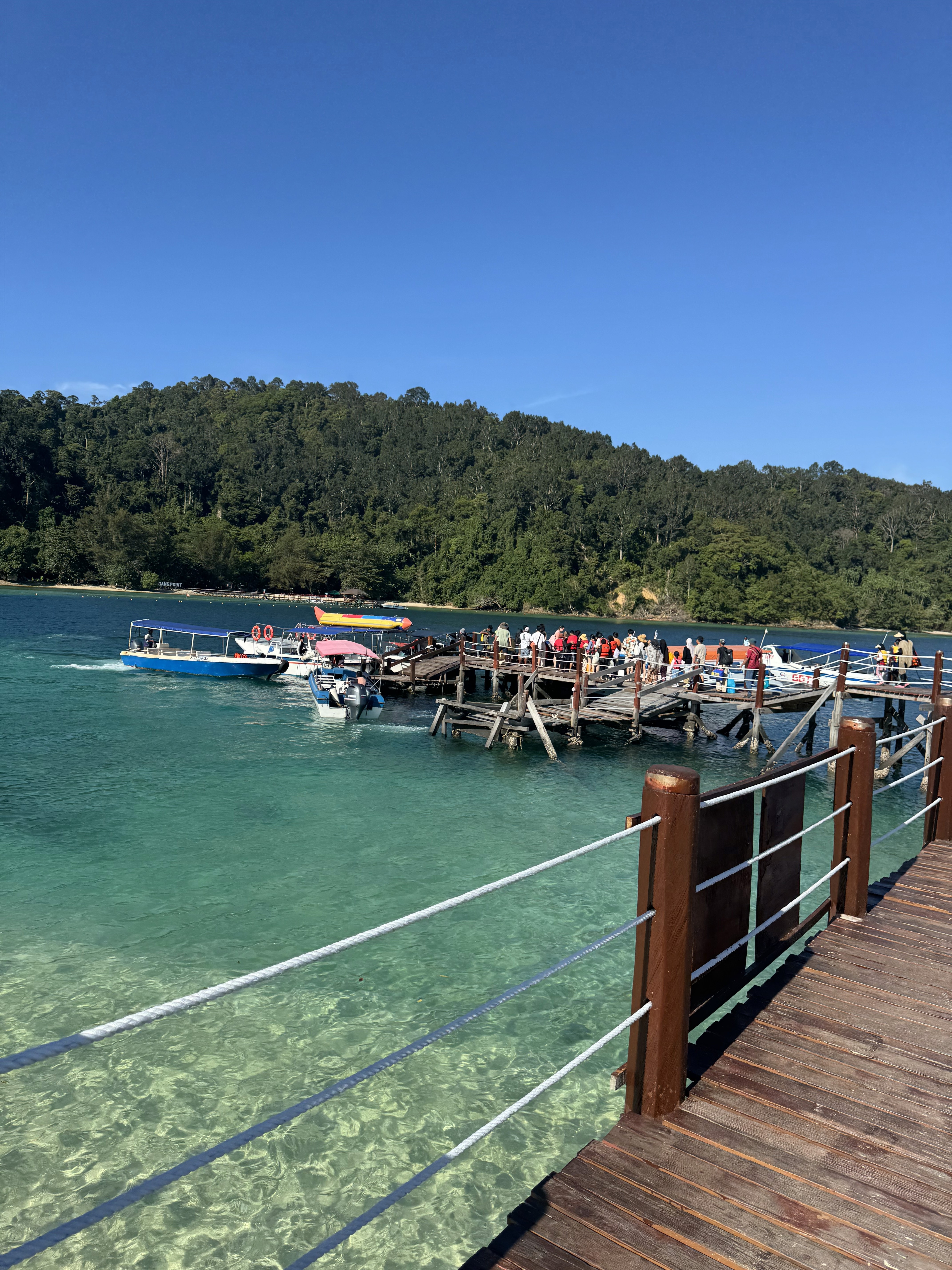
Living the digital nomad lifestyle means working from incredible locations, building your own schedule, and experiencing cultures most people only dream about. Taxes, though, come with the territory. Understanding your obligations from the start protects you from legal headaches and financial penalties down the road. Here's your practical guide to the basics every nomad needs to know.
Does Your Destination Country Require You to Pay Tax?
Tax rules vary dramatically depending on where you go and how long you stay. Some countries that offer digital nomad visas exempt holders from local income tax, provided your income comes from outside that country. The Bahamas, for example, has no personal income tax and historically welcomed remote workers through its BEATS programme, though that specific programme has faced periods of suspension since 2022. Always verify the current status of any visa programme directly with the country's immigration authority before making plans based on it.
The key principle to understand: a digital nomad visa controls your immigration status, not your tax status. The two are separate, and assuming a visa automatically means a tax exemption is one of the most common and costly mistakes nomads make.

Understanding Your Tax Residency
Tax residency determines where you are legally obligated to pay taxes, and it is the foundation of every nomad's financial life. Spending time across multiple countries makes this genuinely complex.
Home Country Obligations Many countries tax their citizens on worldwide income, regardless of physical location. US citizens, for instance, must file a federal tax return and report all global income to the IRS even while living abroad full-time. The good news: tools like the Foreign Earned Income Exclusion (FEIE) may allow you to exclude a significant portion of that income from US tax, provided you meet specific eligibility requirements.
The 183-Day Rule The 183-day rule is the most widely cited benchmark in digital nomad tax discussions, and also the most misunderstood. Many countries use 183 days of physical presence within a tax year as a threshold for establishing local tax residency. Cross that line, and you may become liable for local taxes on your income. But day-counting alone does not tell the full story. Several countries apply additional criteria such as whether you maintain a permanent home there, where your closest economic ties are, or whether you have a habitual place of residence in their territory. You can potentially trigger tax residency in under 183 days in some jurisdictions, and avoid it despite exceeding that threshold in others. Track your travel dates precisely and understand the specific rules of every country where you spend significant time.
Permanent Establishment Running a business while travelling introduces another layer of complexity. If a country determines that your business has a fixed or regular presence within its borders, it may classify that as a permanent establishment and hold you liable for corporate taxes there.
Double Taxation Agreements
Being taxed on the same income in two countries simultaneously is a real risk for nomads. Double Taxation Agreements (DTAs) exist between many countries specifically to prevent this. A DTA can allow you to claim a tax credit in your home country for taxes already paid abroad, exempt certain income types from tax in one of the two countries, or reduce applicable rates on specific income streams like dividends or royalties. Check whether a DTA exists between your home country and any country where you establish tax residency.
Keeping Records
Solid documentation habits are one of the most valuable things you can build as a nomad. Keep track of:
Travel records: Detailed logs of your movements, including entry and exit dates and countries visited. These establish your physical presence history and are essential for tax residency assessments and audits.
Income records: All invoices, payment receipts, and bank statements showing income sources and amounts.
Business expense receipts: Documentation of deductible expenses related to your work.
Tax filings and correspondence: Copies of all returns filed and any official communication with tax authorities in any country.
Seek Professional Guidance
International tax law is genuinely complex and constantly evolving. A tax professional who specialises in cross-border or expat taxation is worth every cent. They can map out your obligations across multiple jurisdictions, identify deductions you might miss, and keep you fully compliant before problems arise rather than after.
Taxes as a digital nomad require attention, but they do not have to be overwhelming. Build your knowledge early, keep your records tight, and get the right professional support. Then you can put your energy where it belongs: living the freedom you built.
Disclaimer: This article is for general informational purposes only and does not constitute legal or tax advice. Tax laws vary by country and change frequently. Always consult a qualified tax professional for guidance specific to your situation.
Follow to learn & travel more
Simple guidance and ideas to earn remotely and start traveling the world