Visas & Residency
Digital Nomad Visas in Europe: Your 2026 Guide to Working Remotely Across the Continent
So, you’ve made the decision, that’s it. Your done with your hometown, you’re packing your bags, and you’re off..but where are you going to go?
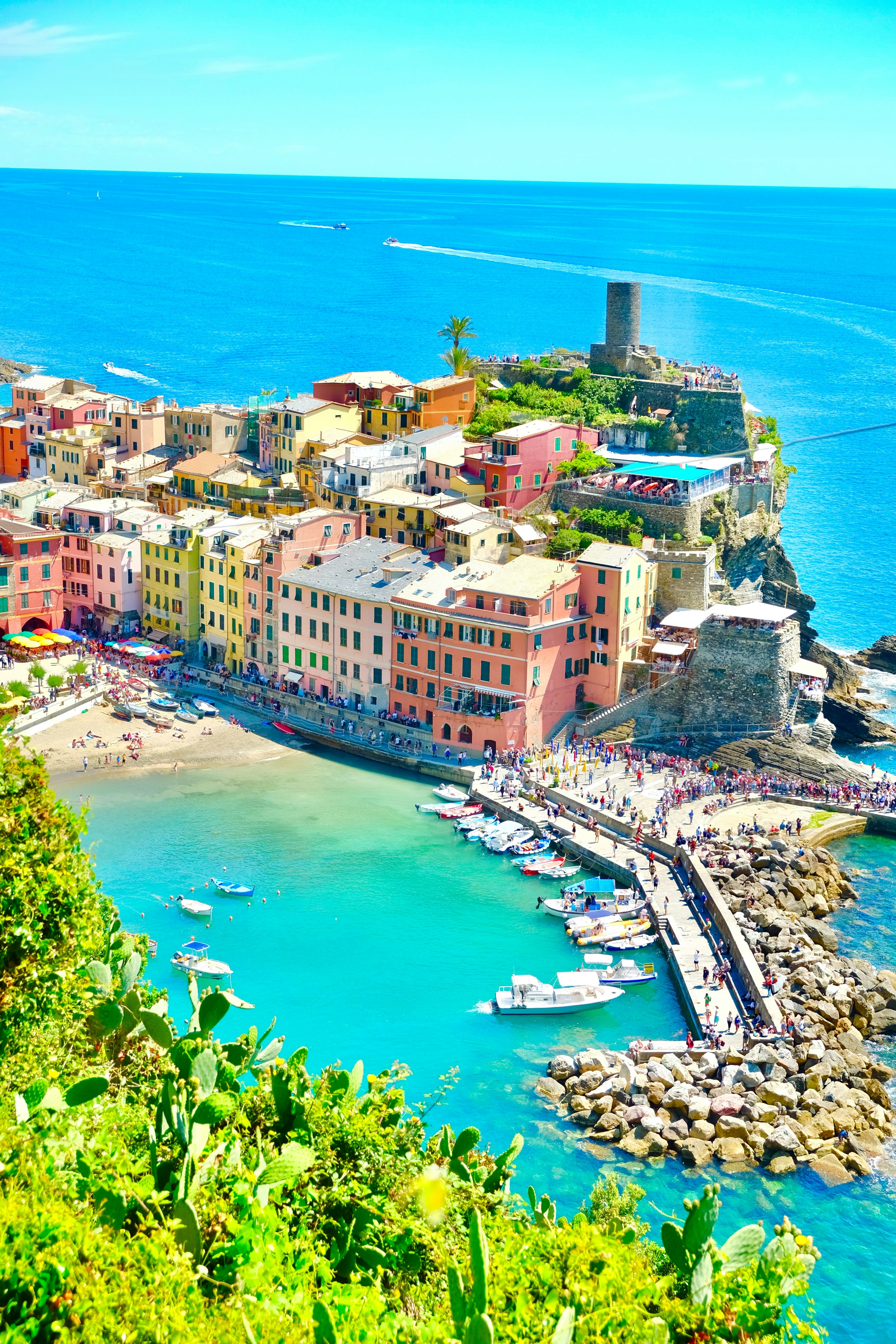
Digital Nomad Visas in Europe: Your 2026 Guide to Working Remotely Across the Continent
So you're thinking about taking your remote work setup to Europe? Smart move. With over 50 countries and territories now offering digital nomad visas or remote work permits, Europe has become the ultimate playground for location-independent workers.
But here's the thing: choosing where to set up your European base depends on what you're actually looking for. Are you a beach lover or a mountain person? City energy or village charm? Budget-conscious or ready to splurge? And of course, what's the visa situation like?
Let's dive into your complete guide to digital nomad visas across Europe. Grab a coffee (or a nice European espresso), and let's figure out where your next chapter begins.
A Quick Reality Check About Visas in Europe
Before we jump into specific countries, here's something important: many digital nomads do travel and work on tourist visas when they're frequently moving around. If you're planning to bounce between cities every few weeks, that might work for you.
But if you want to actually settle somewhere for an extended period, get a local sim card, maybe open a bank account, and really experience life in a place, then a proper digital nomad visa is what you need. That's what this guide is all about.
By Iman Gozal
Georgia: The Generous Visa-Free Option
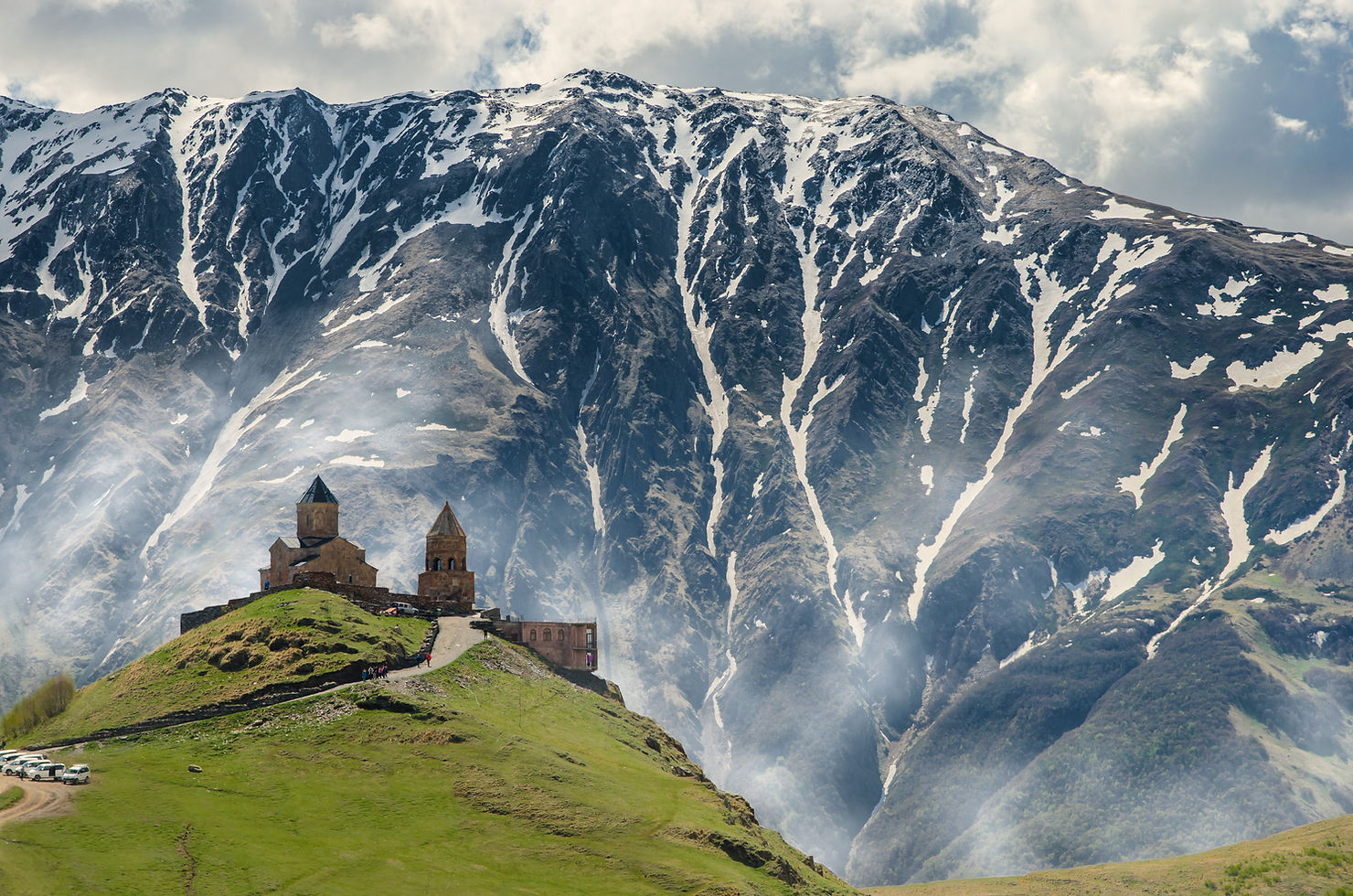
Georgia doesn't technically have a digital nomad visa, but here's why it's become a fast-rising favorite: nationals from 95 countries can stay for a whole year without any visa at all. That's right, just show up and you're good for 12 months.
The details:
Duration: 1 year visa-free stay for eligible nationalities
Cost: Free (no visa required)
Income requirement: None officially, but you need to support yourself
Tax situation: If you stay longer than 6 months, you become a tax resident with 20% income tax
Why nomads love it: Beyond the easy visa situation, Georgia offers incredibly low cost of living and a hip, creative vibe, especially in Tbilisi. The capital has become a thriving digital nomad hub with great coworking spaces, fast internet, and a growing expat community.
Bonus: Georgia also has an entrepreneur scheme where tax is only 1% on turnover up to $155,000, which can potentially lead to permanent residency. Not bad at all.
By Diego García
Portugal: The Digital Nomad Favorite
Portugal consistently ranks as one of the best countries for digital nomads, and for good reason. The D8 (Digital Nomad Visa) and D7 visa options offer different paths depending on your situation.
The D8 Digital Nomad Visa:
Duration: Two options: temporary stay (1 year, renewable up to 5 years) OR residency permit (2 years, renewable for 3 more)
Cost: €75 to €90 application fee
Income requirement: €3,480 per month (4x Portuguese minimum wage as of 2025)
Path to citizenship: Yes, after 5 years of residency (though this was extended from the previous timeline in October 2025)
What you need: Valid passport, proof of remote work income, health insurance, accommodation proof in Portugal, clean criminal record, Portuguese tax number (NIF), and bank statements showing consistent income.
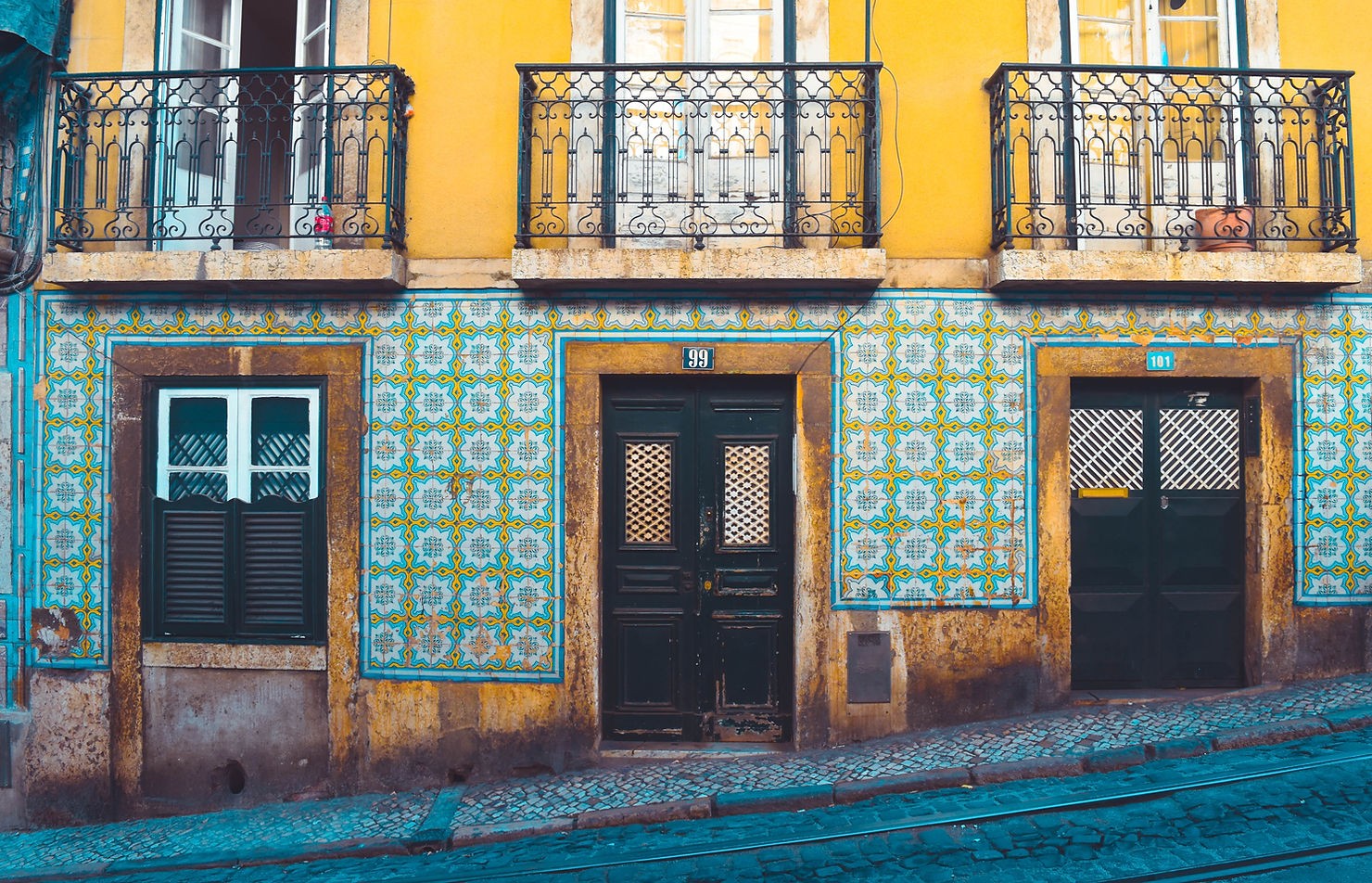
Why it's amazing: Portugal offers vibrant cities like Lisbon and Porto with established digital nomad communities, beautiful beaches and countryside, affordable cost of living compared to Western Europe, and excellent infrastructure. Lisbon is literally considered one of the world's best cities for digital nomads.
Tax situation: If you stay more than 183 days per year, you become a tax resident. Portugal offers some tax benefits, though the previous Non-Habitual Resident program has changed significantly in 2025.
By Andres Garcia
Estonia: The Digital Pioneer
Estonia was the first country in the world to offer a digital nomad visa back in 2020, and they've maintained their position as a leader in the space.
The details:
Duration: 1 year
Cost: €80 to €100 depending on length of stay
Income requirement: €4,500 gross per month (updated for 2025)
Processing time: About 30 days
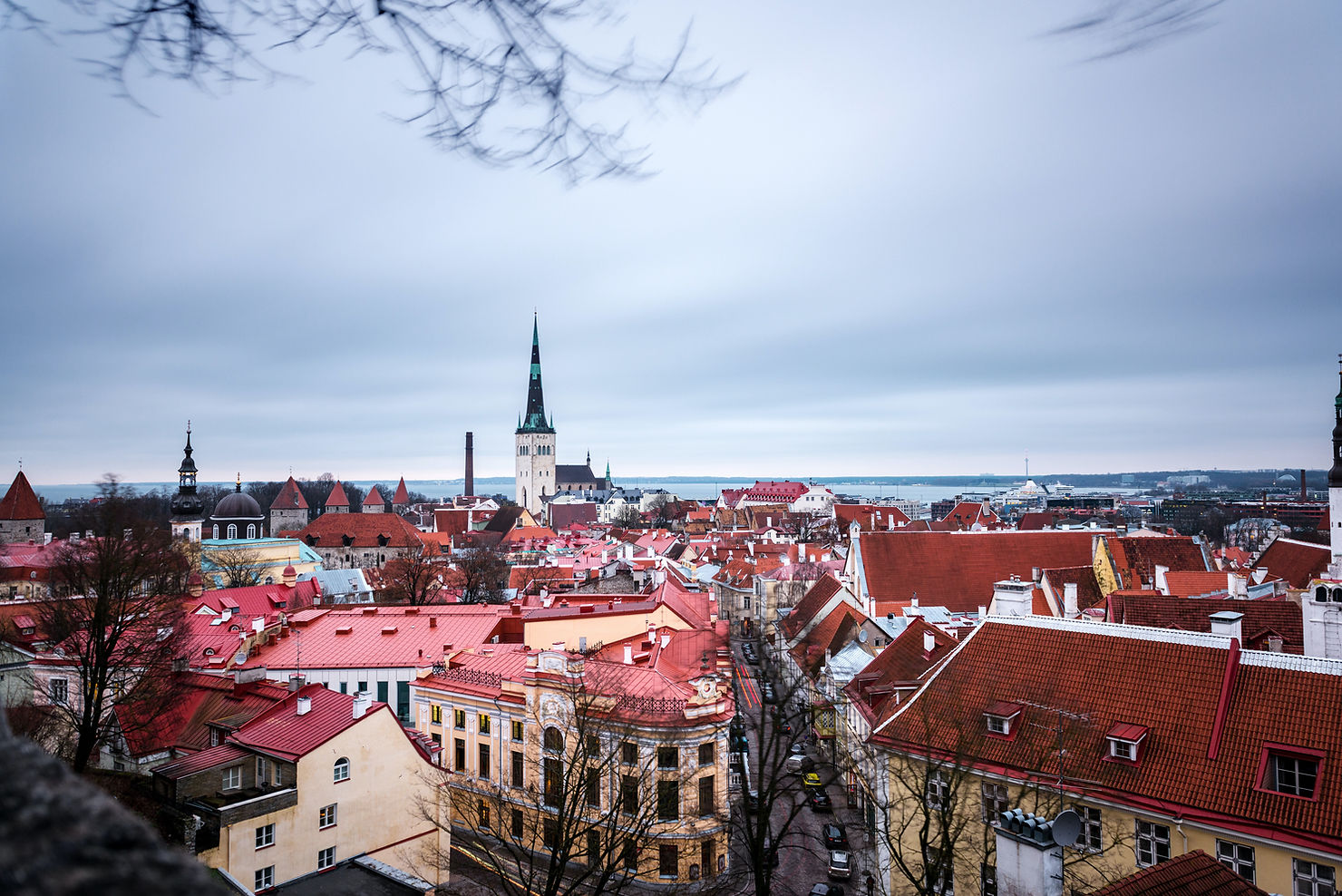
Why consider Estonia: This small Baltic country is incredibly tech-forward with excellent digital infrastructure, fast internet everywhere, and a thriving startup scene. Tallinn, the capital, offers a unique blend of medieval charm and modern innovation. It's perfect if you love tech culture and don't mind colder winters.
Unique perk: Estonia also offers e-Residency, a separate program that lets you run an EU-based business digitally without living there.
By Roman Kraft
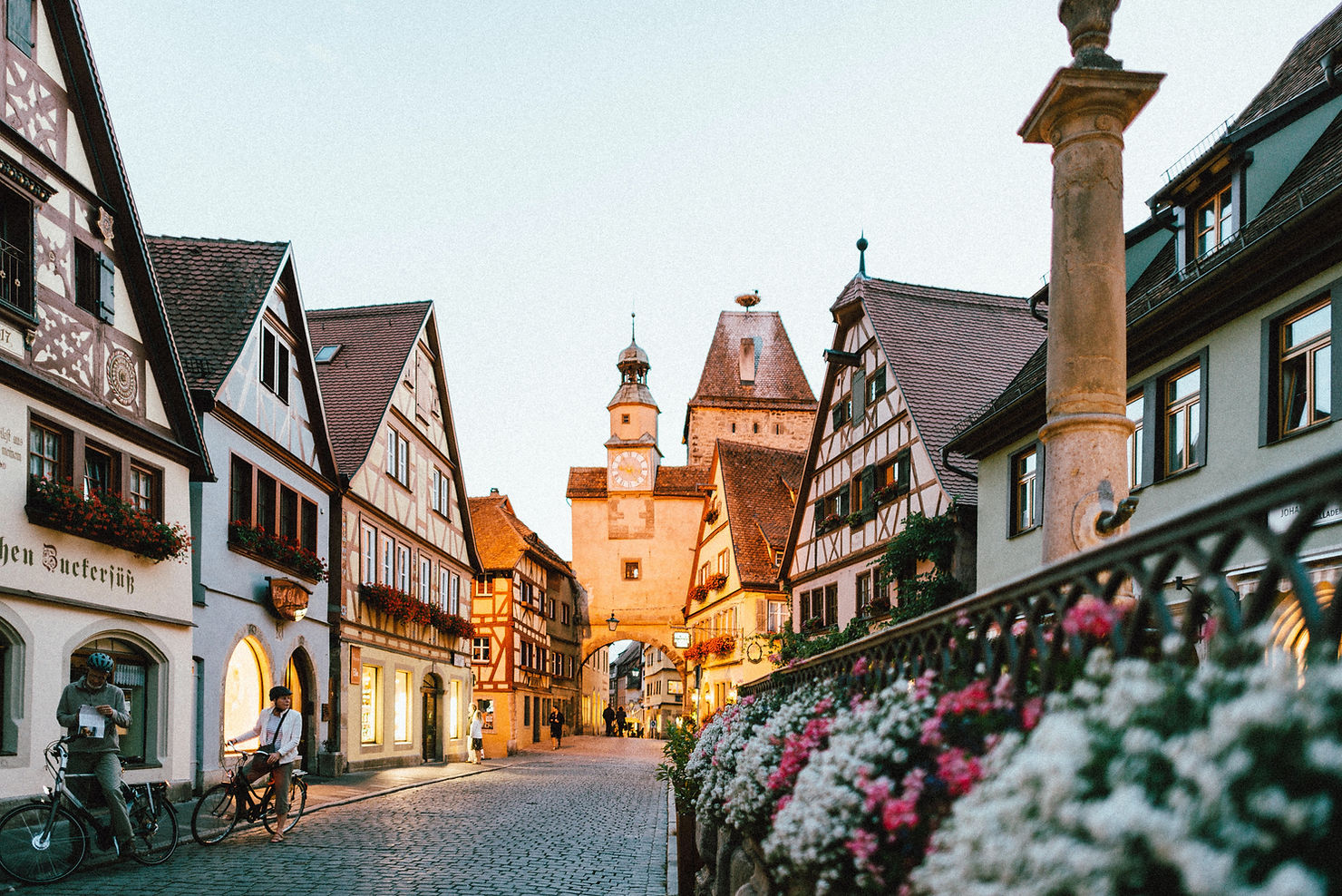
Germany: The Bureaucratic Giant (But Worth It)
Germany offers a residency permit for freelancers that can last up to three years. The catch? This is Germany, so expect plenty of paperwork.
The details:
Duration: Up to 3 years
Cost: €100
Income requirement: Varies, but you need to prove you can support yourself
Processing time: Up to 4 months (apply early!)
Why brave the bureaucracy: Germany offers a range of bustling cities from Berlin's creative energy to Munich's traditional charm, excellent public transportation, high quality of life, and access to the heart of Europe. Once you're in, you're in one of Europe's strongest economies with incredible opportunities.
Real talk: The application process is no joke. You'll need patience, organization, and probably some help navigating the German bureaucracy. But many nomads say it's worth it for the stability and opportunities Germany provides.
By John O'Nolan
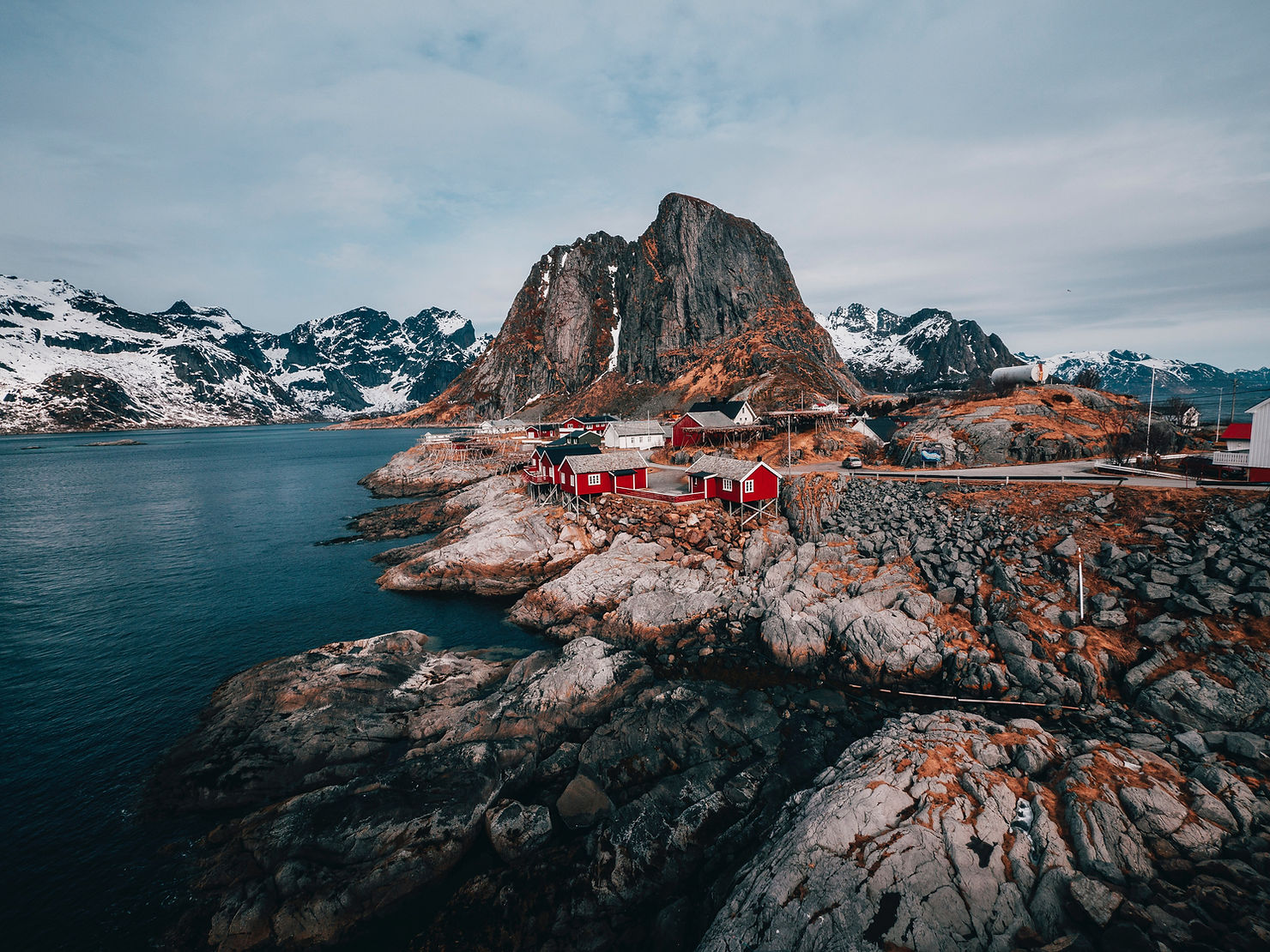
Norway: Stunning but Pricey
Norway is famous for its fjords, Northern Lights, and Viking history. If you can handle the cost, it's an incredible place to live.
The details:
Duration: 2 years (independent contractor visa)
Cost: €600 (yes, really)
Income requirement: €35,719 annually, PLUS you need at least one Norwegian client paying minimum wage
Reality check: Norway has one of the highest costs of living in the world
Why consider it (besides the views): Stunning natural beauty everywhere, extremely high quality of life, excellent work-life balance culture, and if you love outdoor activities like hiking and skiing, you're in paradise.
Who it's for: This visa is NOT for budget-conscious nomads. Between the high visa cost and expensive living expenses, Norway is for those with solid income who prioritize quality of life over affordability.
By Jorge Fernández Salas
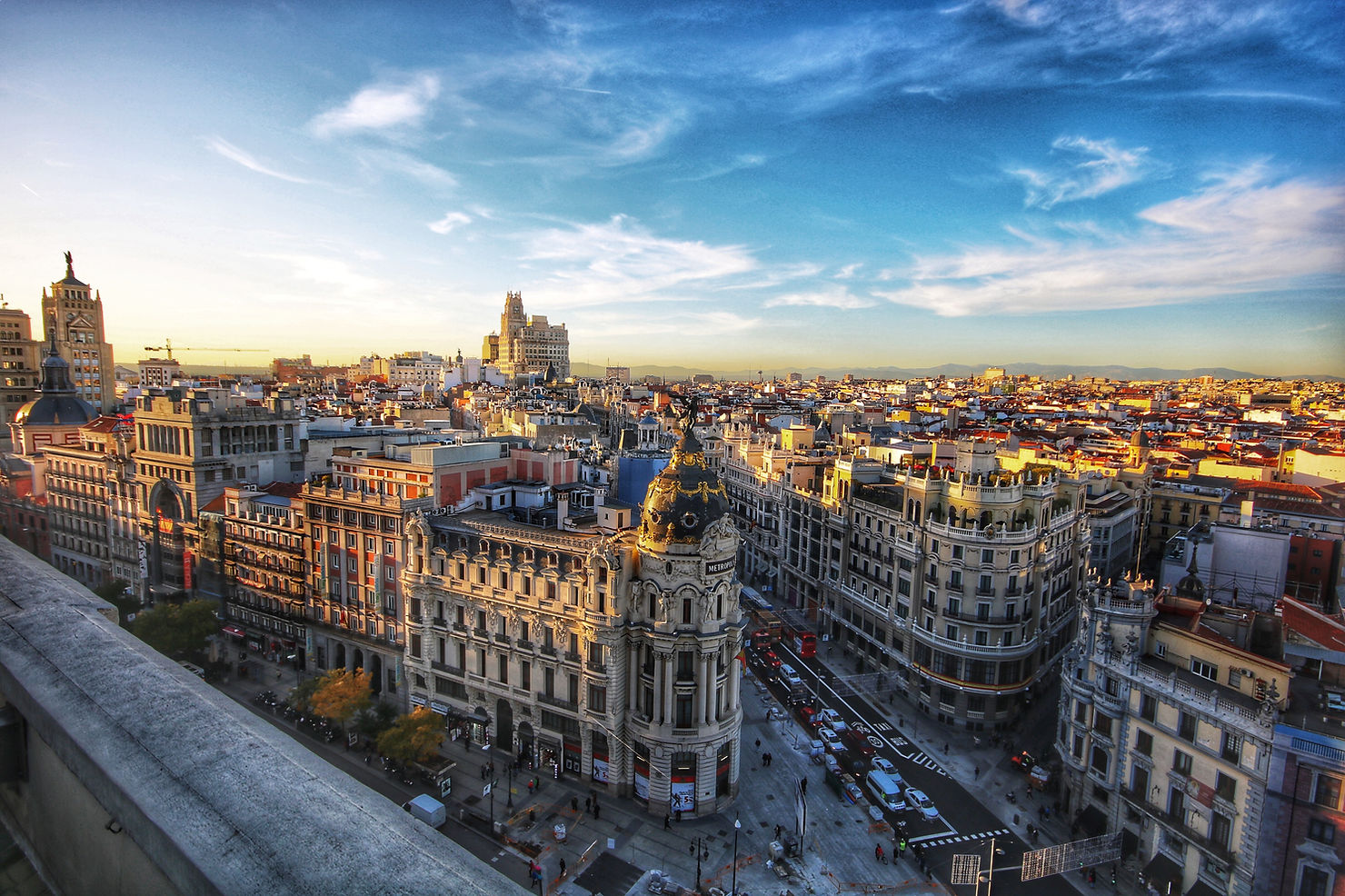
Spain: Culture, Cuisine, and Community
Spain launched its digital nomad visa in 2023, and it's become incredibly popular with remote workers worldwide.
The details:
Duration: 1 year visa, then 3-year residence permit
Cost: Application fees vary
Income requirement: Around €2,700 to €3,280 monthly (sources vary, check with consulate)
Requirements: University degree OR 3+ years professional experience, proof of remote employment for non-Spanish company
Why Spain rocks: Incredible food and wine culture, beautiful weather year-round, vibrant cities from Barcelona to Madrid to Valencia, affordable cost of living compared to northern Europe, and rich history and culture everywhere you look.
Unique perk: Self-employed freelancers can earn up to 20% of their income from Spanish clients, giving you some local work flexibility.
Tax benefits: Spain offers favorable tax conditions for digital nomads, making it financially attractive as well.
By Mars Immigrant
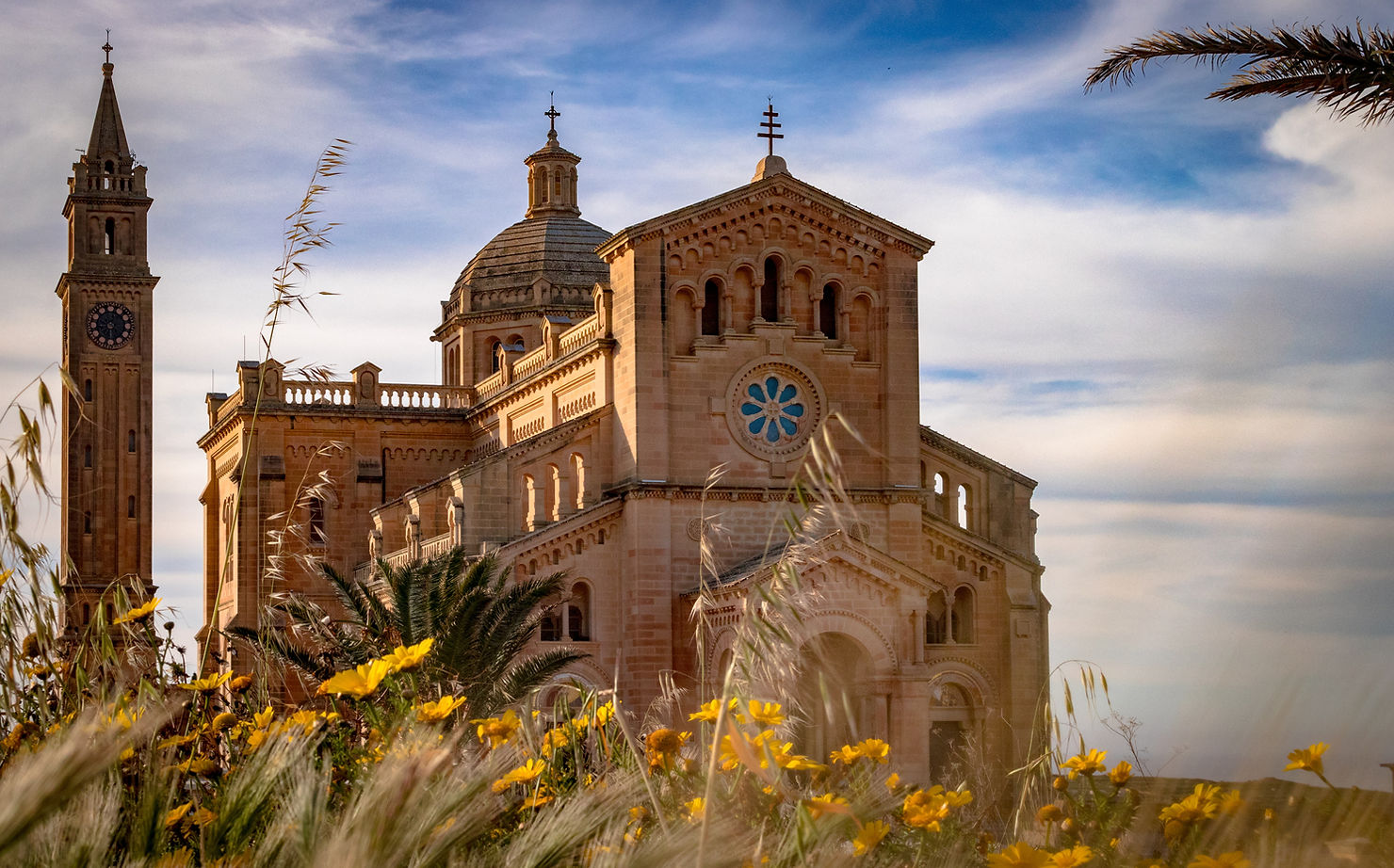
Malta: Mediterranean Island Living
Malta offers a Nomad Residency Permit that's perfect for those who want island life with European Union benefits.
The details:
Duration: 1 year, renewable up to 3 times
Cost: €300 for main applicant, plus €300 per family member
Income requirement: €3,500 monthly (recently updated for 2025)
Bonus: Access to excellent healthcare and high standard of living
Why Malta: Stunning Mediterranean landscapes and crystal-clear waters, rich history spanning thousands of years, English is an official language (making life easier), year-round mild weather, and it's a great base for exploring Europe and North Africa.
Tax situation: Extensive Double Taxation Agreement relief available. Tax obligations depend on individual circumstances, so consult with a tax advisor.

By Hans Reniers
Greece: Ancient History Meets Modern Living
Greece offers a digital nomad visa that lets you live among ancient ruins while working on modern tech.
The details:
Duration: 1 year, renewable up to 3 years
Cost: €75
Income requirement: €3,500 monthly
Path to permanent residency: Yes, after 5 years
Why Greece: Ancient ruins and history everywhere, stunning islands from party destinations to quiet retreats, delicious Mediterranean cuisine, relatively affordable cost of living, and a growing digital nomad community in Athens and Thessaloniki.
The variety: Greece offers everything from bustling cities to quiet, quaint island living. You can literally choose your vibe.
By Abenteuer Albanien
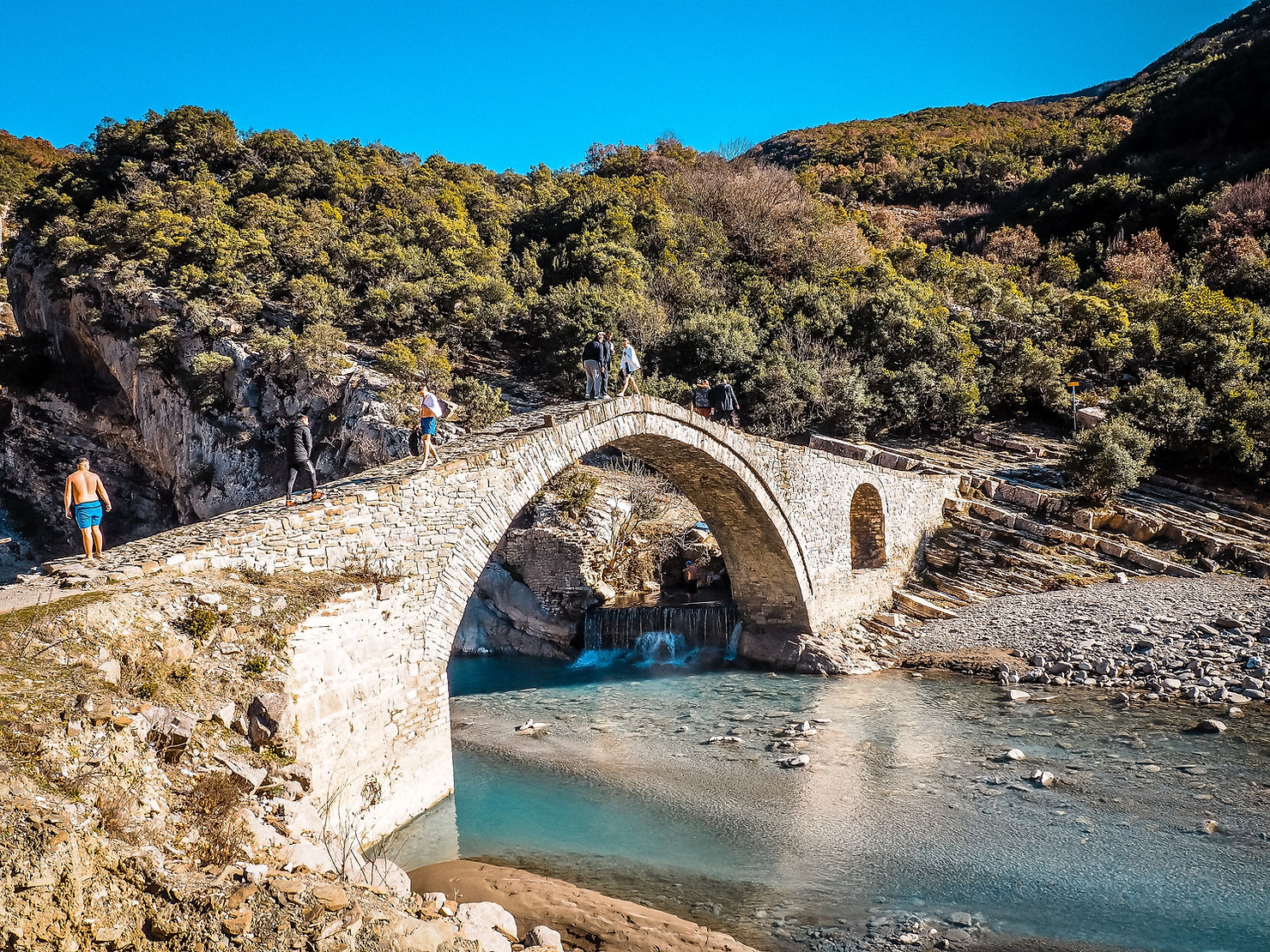
Albania: The Up-and-Coming Gem
Albania is quickly becoming one of our favorite destinations for digital nomads, and for good reason.
The details:
Duration: 1 year with the Unique Permit, renewable up to 5 years
Cost: Relatively affordable
Income requirement: $315 monthly (one of the lowest in Europe!)
Path to permanent residency: Yes, after 5 years
Requirements: Must open an Albanian bank account
Why Albania is amazing: Crystal blue waters along the Albanian Riviera, jaw-dropping mountain peaks in the north, incredibly low cost of living (seriously, your money goes FAR here), delicious fresh food, and friendly locals. Plus, it's still relatively undiscovered compared to its neighbors, so you get authentic experiences.
The catch: As a visa holder, you'll be liable for income tax. But with such low cost of living and income requirements, it's still an incredible deal.
By Matthias Mullie
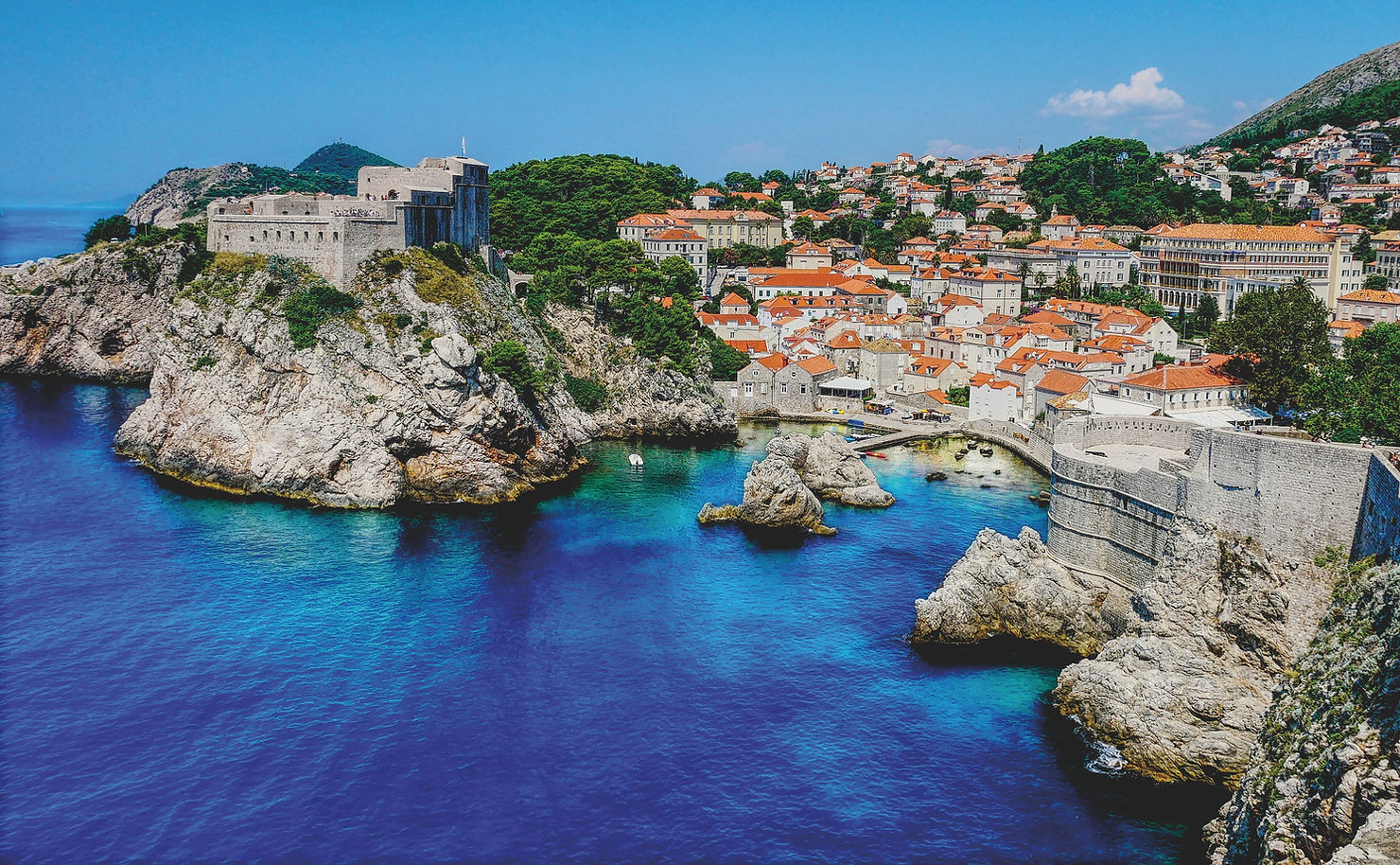
Croatia: Adriatic Coastline Dreams
Croatia is known for its stunning Adriatic coastline, medieval towns, and beautiful islands. Now it's also known as a great digital nomad destination.
The details:
Duration: 1 year, extendable to 18 months total (recently updated)
Cost: €80 to €130
Income requirement: €3,295 per month for 2025 (2.5x average Croatian net salary)
Application: Can apply online or in person at embassy/police station
Why Croatia: Stunning coastline with hundreds of islands, historic medieval towns like Dubrovnik and Split, relatively affordable compared to Western Europe, excellent weather, and NO Croatian income tax for digital nomad visa holders!
Important note: Croatia joined the Schengen Area in 2023, so those old tricks of hopping the border to reset your 90 days don't work anymore. You need the proper visa.
By Darya Tryfanava
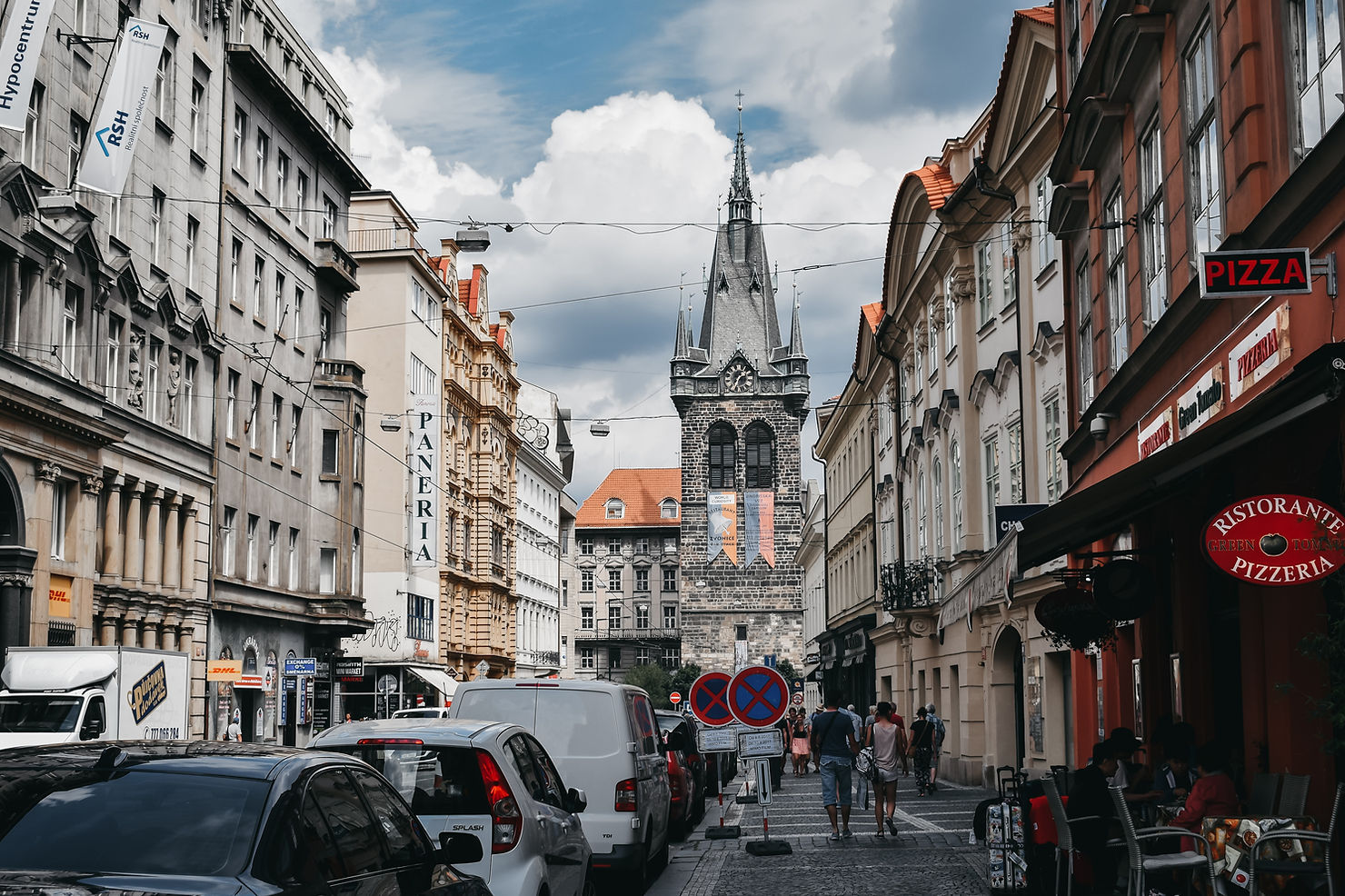
Czech Republic: Medieval Charm in Central Europe
The Czech Republic (Czechia) offers a freelancer visa for specific trades, with Prague becoming increasingly popular with digital nomads.
The details:
Duration: 1 year, extendable
Cost: Free application
Income requirement: €5,587 in the bank (relatively low)
Monthly tax: €70
Limitation: Only available for certain professions with trade licenses
Why Czechia: Charming medieval towns and castles, vibrant cultural scene especially in Prague, affordable cost of living, excellent beer culture (if that's your thing), and central location for exploring Europe.
The catch: The limited list of eligible professions means this visa isn't for everyone. Check if your profession qualifies before getting too excited.
By Majkl Velner
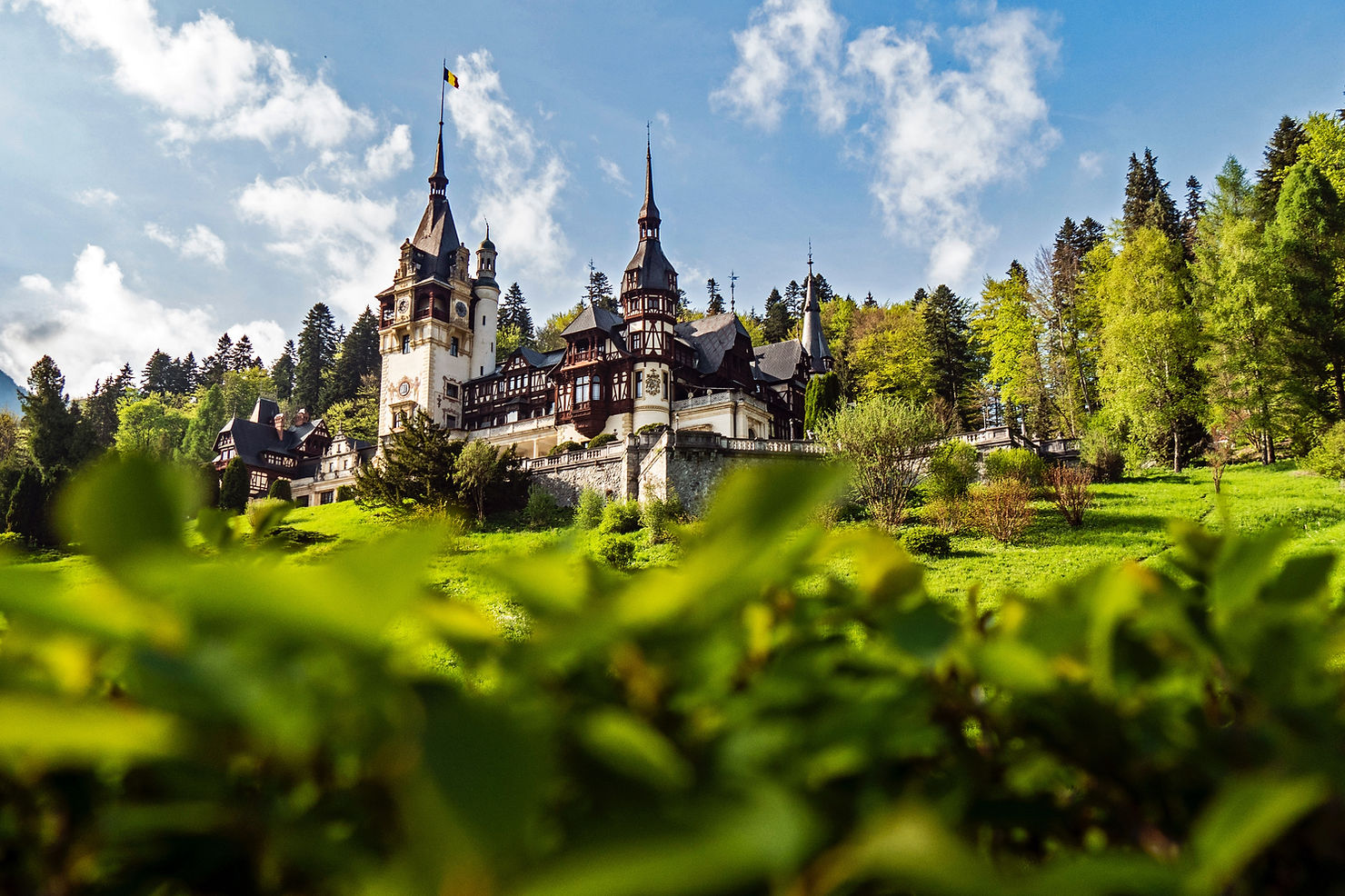
Romania: Transylvania and Tech
Romania offers stunning natural beauty, from the Carpathian Mountains to the legendary Transylvania region, combined with vibrant cities and low cost of living.
The details:
Duration: 12 months, renewable
Cost: €100 to €150 depending on nationality
Income requirement: €4,500 monthly (3x Romanian average gross salary as of November 2025)
Application: Online or at embassy
Why Romania: Enchanting mountains and forests, medieval castles (including Dracula's castle!), vibrant cities like Bucharest, Cluj-Napoca, and Brasov, very low cost of living, and growing tech scene.
Interesting note: The income requirement is surprisingly high given Romania's low cost of living. It seems they're targeting higher-earning digital nomads, though this may change over time.

By Christian Lue
Hungary: Budapest and Beyond
Hungary's capital Budapest is one of Europe's most beautiful cities, split by the Danube River with stunning architecture everywhere.
The details:
Duration: Up to 2 years with the White Card residency visa
Cost: €110
Income requirement: €2,000 monthly
Target demographic: Singles under 40 (though others can apply)
Why Hungary: Budapest's incredible architecture and thermal baths, delicious cuisine (goulash, chimney cake, and more), affordable cost of living, rich cultural heritage, and central European location.

By Hert Niks
Cyprus: Sun-Drenched Mediterranean Island
Cyprus allows non-EU citizens to work remotely for up to three years on their beautiful Mediterranean island.
The details:
Duration: 1 year, extendable up to 3 years
Cost: Varies
Income requirement: Approximately €3,500 monthly
Requirements: Must work for company or run business outside Cyprus
Why Cyprus: Sun-drenched beaches, rich historical sites, charming Mediterranean villages, year-round good weather, and a growing digital nomad community.
By Kazuki Taira
Latvia: Baltic Beauty
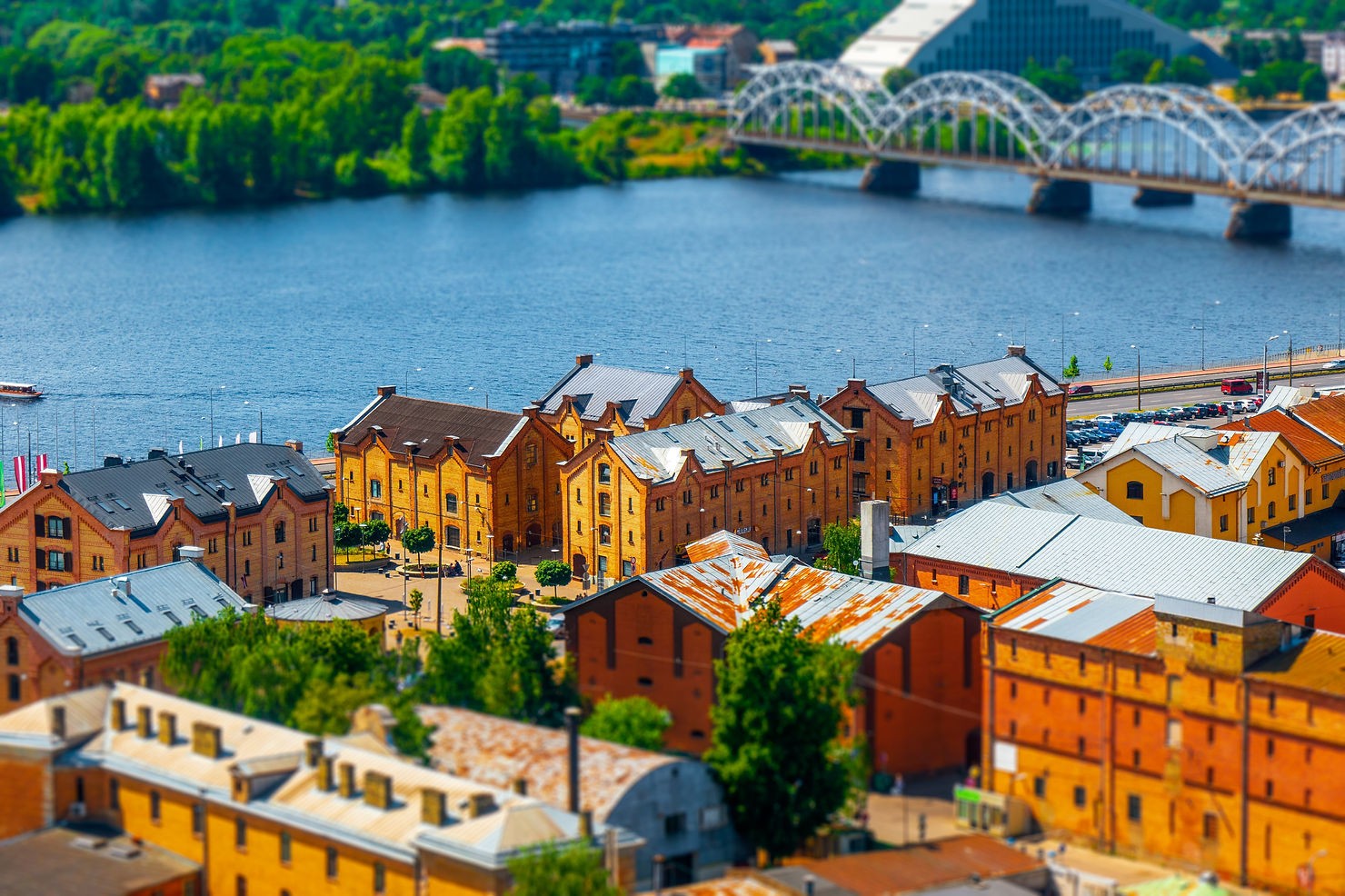
Latvia offers a digital nomad visa in the charming Baltic capital of Riga.
The details:
Duration: 1 year, renewable for another year
Cost: €60
Income requirement: 2.5x Latvia annual wage
Requirement: Must work for employer registered in OECD country
Why Latvia: Picturesque Baltic coastline, beautiful medieval architecture in Riga, affordable cost of living, and access to other Baltic states and Scandinavia.
By Dan Novac
Italy: Pasta, Pizza, and Productivity
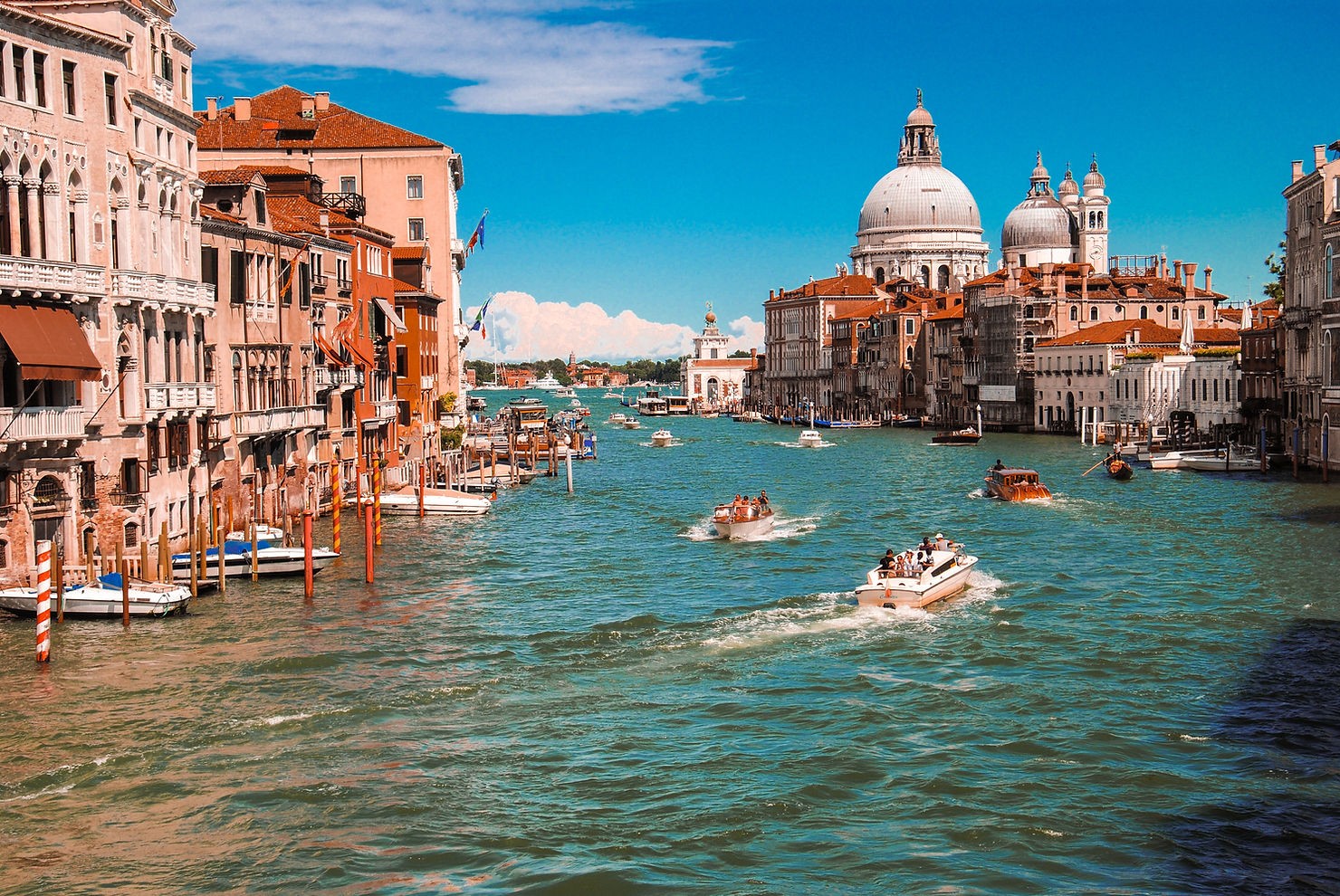
Italy recently introduced a digital nomad visa, though it comes with some restrictions.
The details:
Duration: 1 year
Cost: TBD
Income requirement: Over €30,000 annually
Requirements: Only open for "highly skilled" applicants with specific qualifications
Why Italy (if you qualify): World-class food and wine, incredible art and history, stunning landscapes from Alps to coastlines, and the Italian lifestyle everyone dreams about.
The catch: The "highly skilled" requirement and various other conditions mean this visa isn't accessible to everyone.

By Robert Lukeman
Iceland: Land of Fire and Ice
Iceland offers a six-month visa for digital nomads, though there's an important catch about where you apply from.
The details:
Duration: 6 months if applying outside Schengen, OR only 90 days if applying within Schengen
Cost: €50
Income requirement: €6,460
Important: Must apply when outside the Schengen area for the full 6-month benefit
Why Iceland: Stunning geothermal landscapes, majestic waterfalls, the Northern Lights, unique culture, and incredible natural beauty everywhere.
Reality check: Iceland has a very high cost of living. Budget accordingly.
By Nasser Ansari
New on the Scene: Countries to Watch
Several European countries have recently launched or announced digital nomad visa programs:
Bulgaria: Enacted digital nomad visa legislation in June 2025 for non-EU nationals working remotely for foreign companies.
Slovenia: Launching remote work residence permit on November 21, 2025, for one-year stays with income requirement around 2x Slovenian average salary.
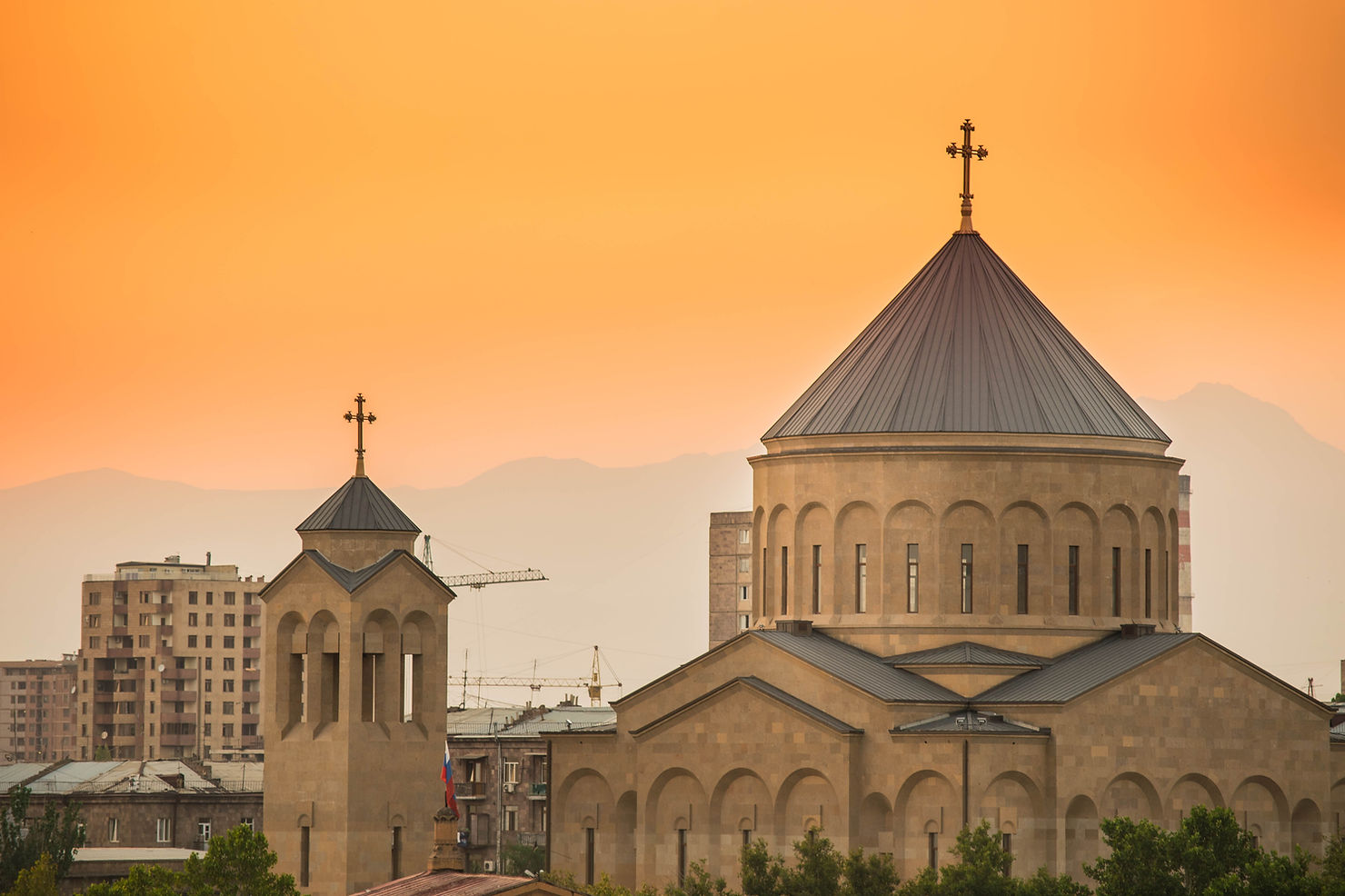
Armenia: Offers residency permit for sole entrepreneurs, renewable up to 5 years with potential permanent residency path. Cost: $270.
How to Choose: Matching Visa to Lifestyle
With so many options, how do you choose? Consider these factors:
Budget: If money is tight, look at Albania (€315/month), Georgia (visa-free), or Czech Republic. If you're earning well, consider Norway, Iceland, or Malta.
Climate preference: Mediterranean weather? Spain, Greece, Cyprus, Malta. Cooler climate? Estonia, Latvia, Iceland, Germany.
Language: English widely spoken: Malta, Cyprus, Estonia, Portugal. Learning a new language part of the adventure? Go anywhere!
Path to permanent residency: Portugal, Spain, Albania, Romania, and several others offer clear paths to long-term residency or citizenship.
Beaches vs mountains: Coastal living in Greece, Croatia, Portugal, Cyprus. Mountain adventures in Romania, Albania, Georgia.
Digital nomad community: Established communities in Portugal (Lisbon), Spain (Barcelona, Madrid), Estonia (Tallinn), and Georgia (Tbilisi).
Important Things to Remember
Requirements change frequently: Visa requirements, income thresholds, and processing times can shift with little notice. Always verify current information with official embassy or consulate websites before applying.
Tax implications matter: Many countries consider you a tax resident after 183 days. Consult with a tax professional about your specific situation.
Schengen Area considerations: Many of these countries are in the Schengen Zone, which affects how you can travel between them.
Processing times vary: Some visas take weeks, others take months. Plan accordingly and apply early.
Health insurance is crucial: Nearly all these visas require comprehensive health insurance. Don't skip this requirement.
Making Your European Dream Real
Europe offers an incredible variety of options for digital nomads, from sunny Mediterranean islands to Nordic tech hubs, from medieval towns to modern cities. Whether you're looking for affordability in Albania, established communities in Portugal, or stunning nature in Norway, there's a European digital nomad visa that fits your lifestyle and budget.
The key is doing your research, understanding the requirements, and choosing a destination that aligns with your work style, budget, and personal preferences. Europe isn't just opening its doors to digital nomads, it's rolling out the welcome mat.
Ready to start your European adventure? Sign up for my newsletter for regular updates on visa changes, new digital nomad programs, honest destination guides, and insider tips from someone actually living this lifestyle.
PLEASE: Always check official government websites and consulates for the most current information before making any concrete plans. Happy travels!
Thinking about making the move?
If you're not quite there yet, start with the free digital nomad starter pack. It covers the basics of going location-independent without the overwhelm. Grab it at stellasentiero.com/newsletter. Comes with weekly travel deals, cool trips, giveaways and remote job opportunities! 💌
Follow to learn & travel more
Simple guidance and ideas to earn remotely and start traveling the world
