Travel Tips
El Nido to Coron: Everything You Need to Know Before You Go (2026)
A 3-day boat expedition through the islands of Palawan was one of the best trips I have ever taken. Here is the honest guide I wish I had before I left, including what to pack and what to expect.
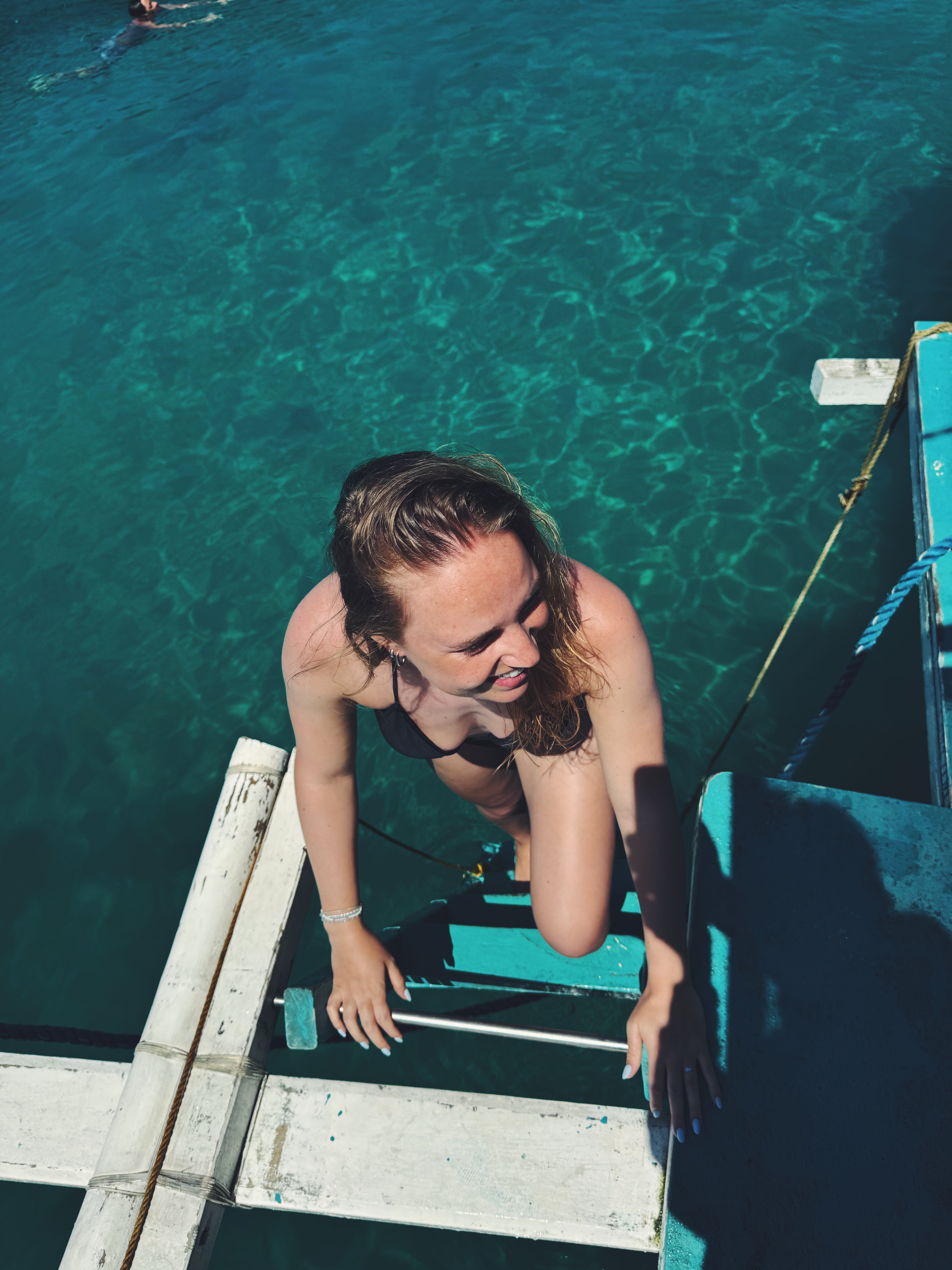
Let me start with something important: I did almost zero research before this trip and it still ended up being one of the best experiences of my entire travelling life. The Philippines has a way of doing that. But there are a few things I genuinely wish I had known before I left, so here they all are for you.
So What Actually Is This Trip?
This is a multi-day boat expedition through the remote islands of Palawan, widely considered one of the most beautiful island chains in Southeast Asia. Lonely Planet describes Palawan as having seascapes the equal of any in Southeast Asia, and the El Nido to Coron route puts you right in the middle of the best of it.
You sail from El Nido north through the Linapacan archipelago and arrive in Coron, stopping at deserted beaches, snorkelling over coral reefs, and sleeping in simple beachside camps along the way. The most common format is 3 days and 2 nights, though longer 4 and 5-day options exist. You can also do the route in reverse from Coron to El Nido. Both directions cover the same stretch of ocean and deliver the same experience.
This is not a luxury trip. It is a back-to-basics, off-grid adventure through some of the most pristine water and untouched coastline on earth. That is exactly what makes it extraordinary.
Pick Your Season Carefully
Palawan's dry season runs from November to May, and this is when you want to do this trip. Clear skies make the water colour come alive, and sunshine is everything when you are spending three days at sea. Be aware that December through March can bring choppier waves even within the dry season, so if you are susceptible to seasickness or want the calmest possible conditions, April or May is a strong choice. Avoid June to November entirely as wet season storms can disrupt or cancel trips with no warning.
Booking: Earlier Than You Think
I booked weeks in advance, which I recommend during peak season. That said, plenty of people I met on the trip had booked just one or two nights before, directly in El Nido. If you are travelling outside of peak holiday periods and are flexible, last-minute is genuinely possible. Multiple operators run this route. Read recent reviews, look for small group sizes (ideally under 20 people), and book with a licensed operator. The Philippines Department of Tourism maintains a register of licensed tour operators if you want to verify credentials before you book.
One important practical note: when you arrive in El Nido, you are required to pay an Eco-Tourism Development Fee of 400 PHP before joining any island activity. It is valid for 10 days and is standard for all visitors.
You Travel on a Traditional Filipino Bangka
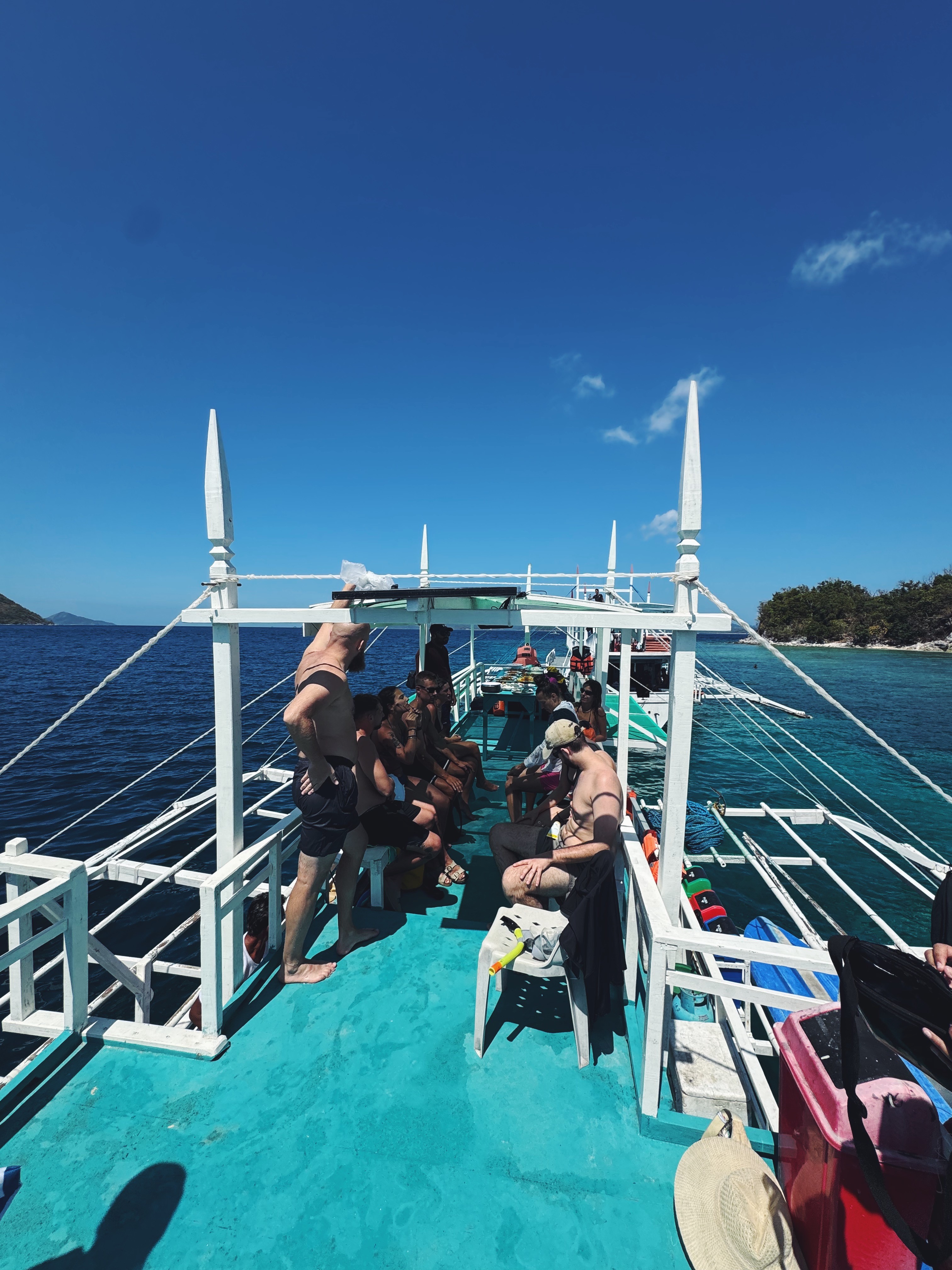
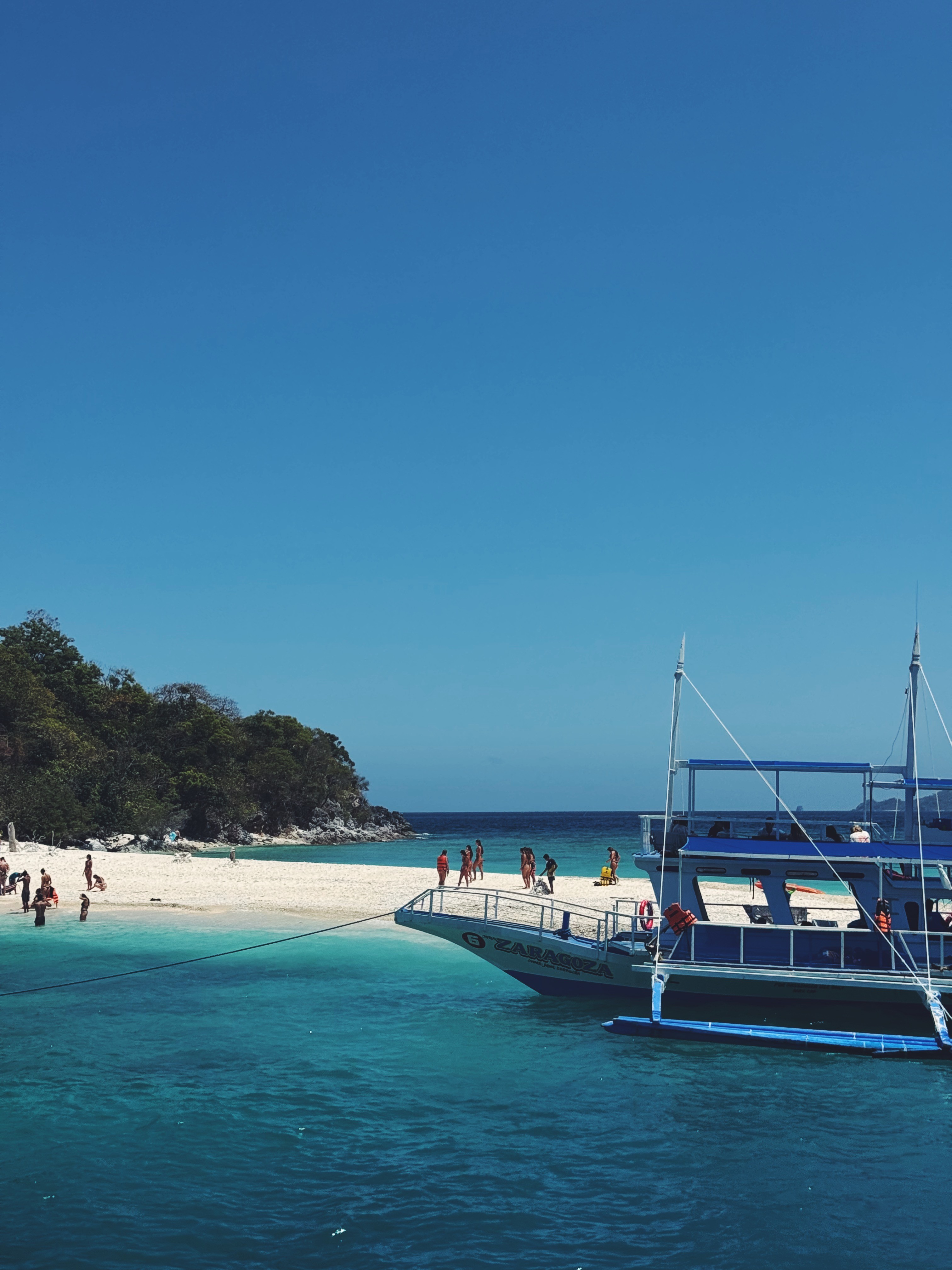
Your vessel is a wide wooden outrigger boat called a bangka, the iconic boat of the Philippines. Your main luggage goes into the hold at the bottom wrapped in bin bags by the crew. Before you board, pack a separate day bag with everything you need for the three days accessible. Your main bag will not be easy to get to once you are underway, so think carefully about what goes where before you step on.
Your Nights: Simple, Private, and Genuinely Lovely
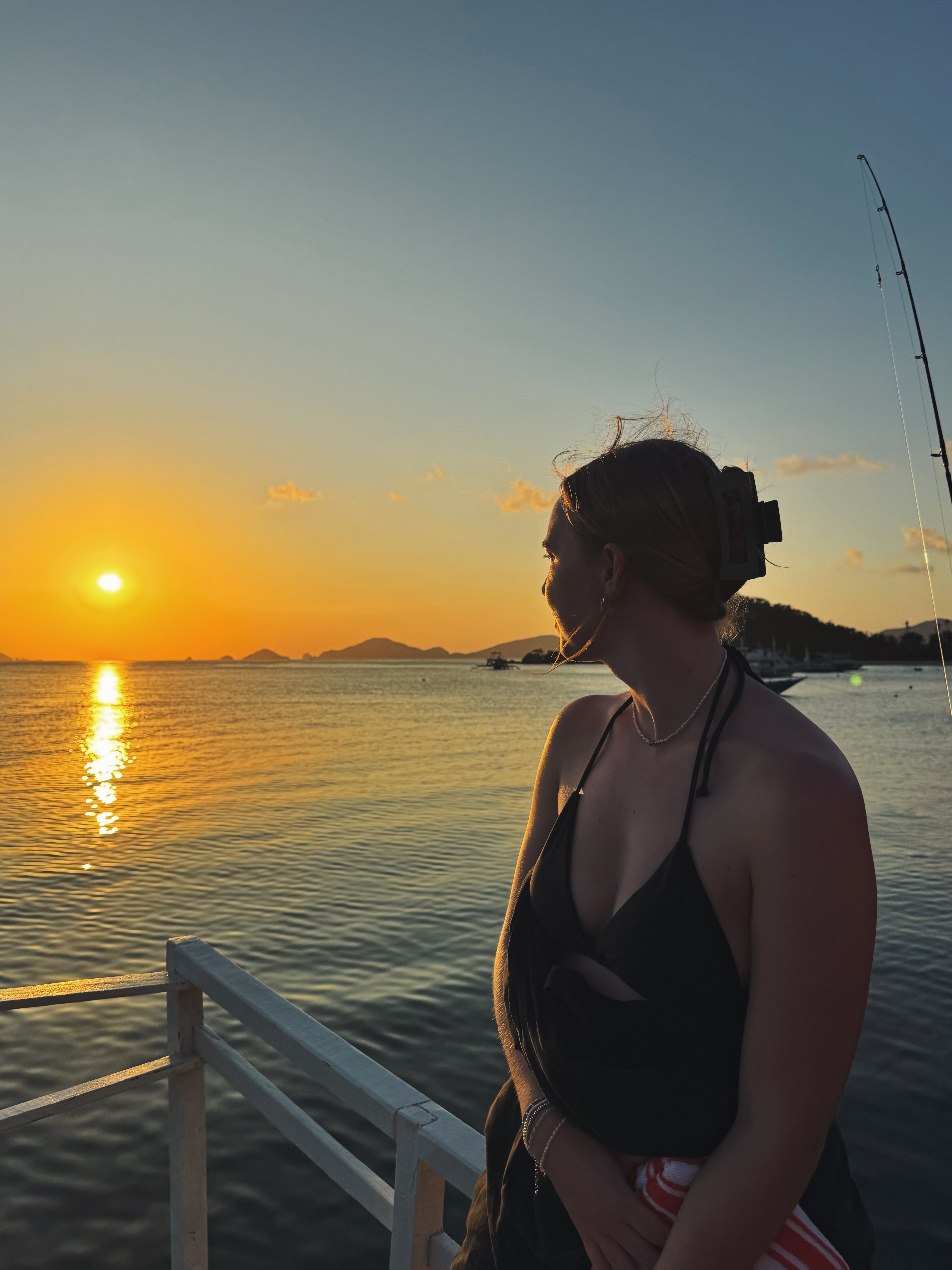
Each night is spent at a different island camp. Everyone gets their own small bungalow, big enough for two people, with two pillows, a blanket, and a mosquito net. Both camps I stayed at were private, simple, and genuinely comfortable. There were shower facilities (a hose in a booth), toilets, and a spot to charge your phone or camera. One camp had a small store with basic snacks and drinks, but do not rely on it for anything specific. No WiFi at either, obviously, and that is the whole point.
The Days: Sailing, Swimming, Absolute Silence
Each day you sail to three or four stops: beaches, snorkelling spots, lagoons, hidden coves. Between stops, you can be on the boat for two to three hours at a stretch. The scenery is beautiful but those sailing legs are long. Bring something to occupy yourself: a book, headphones, a journal. Arriving without entertainment for the sailing hours is one of those things you will only do once.
The water at every stop was extraordinary. So clear you could see the bottom far below the boat. The snorkelling was genuinely some of the best I have experienced anywhere.
Bring Your Own Snorkel Gear
The operator provided goggles for snorkelling, but quality was inconsistent and there were not always enough for everyone. If snorkelling matters to you, and it should because the reef here is stunning, bring your own mask and snorkel. It makes a significant difference and takes up almost no space in your bag.
You Will Not Go Hungry
Three meals a day, served on the boat. A wide spread every time: meat, fish, vegetarian options, vegetables, plenty of rice, fresh fruit. All of it genuinely delicious. Snacks appeared between meals throughout the day too. There is no reason to bring much food of your own unless you have specific dietary requirements. Flag those when you book.
Nights Get Cold and Mosquitoes Are a Thing
Once you are on the island for the night, the temperature drops noticeably. Even in warm months, nights on the open beach get cool. Bring a long-sleeved shirt and long trousers, both for warmth and as light protection against mosquitoes. I did not encounter many mosquitoes personally, but be prepared regardless.

A Dry Bag Is Not Optional
Bring a dry bag. Bring a waterproof phone case. The sea was calm for my entire trip and everything still got wet. Salt water and electronics are not a combination you want to test. This is non-negotiable gear, full stop.
What to Pack in Your Day Bag
Everything below goes into the bag you keep accessible throughout the trip. Your main luggage goes separately into the hold before you board.
✅ Sunscreen (bring far more than you think you need)
✅ Charger and powerbank
✅ Sunglasses and a hat
✅ Mosquito spray
✅ Eye mask for sleeping
✅ Headphones, book, or journal for the sailing hours
✅ Long-sleeved shirt and long trousers for evenings
✅ Dry bag and waterproof phone case
✅ Fast-drying towel
✅ Flip flops
✅ Toothbrush, shampoo, and other toiletries
The camp provides a towel, but a fast-drying travel towel of your own is worth having for the beach stops during the day.
Stop Overthinking and Just Book It
Do the research I did not do, or just read this post, book something reputable with strong recent reviews, and go. The El Nido to Coron expedition is the kind of trip that reminds you exactly why you chose this lifestyle in the first place.
Thinking about making the move?
If you're not quite there yet, start with the free digital nomad starter pack. It covers the basics of going location-independent without the overwhelm. Grab it at stellasentiero.com/newsletter. Comes with weekly travel deals, cool trips, giveaways and remote job opportunities! 💌
Follow to learn & travel more
Simple guidance and ideas to earn remotely and start traveling the world