Digital Nomad Life
Hostel, Apartment, Hotel or Homestay? How to Choose Accommodation as a Digital Nomad
Hostel, apartment, hotel, homestay, or coliving space? Each one suits a different travel style, budget, and stage of nomad life. Here is how to choose the right one for your next destination.

Flight booked. Bags packed. Destination confirmed. The next question, and one that genuinely shapes the quality of your entire stay, is where you are actually going to live when you get there. The right accommodation can make a new city feel like home within days. The wrong one can quietly drain your energy, your productivity, and your budget. Here is a breakdown of every main option and what each one actually delivers.
Hostels: Best for Social Connection and Short Stays
Hostels are the natural starting point for many nomads, and for good reason. Dorm beds in central locations come at a fraction of the cost of any other option, leaving your budget for experiences, food, and activities. The social environment is built in: communal kitchens, shared common areas, and a constant rotation of like-minded travellers all create organic opportunities to meet people without putting in much effort.
Where hostels fall short for nomads is on the work front. Most were not designed with remote workers in mind, and reliable Wi-Fi, quiet workspaces, and power outlets are not always guaranteed. Some hostels, particularly those with a party-hostel reputation, make focused work genuinely difficult. If you are considering a hostel as a work base, read recent reviews from other nomads specifically about the Wi-Fi speed and noise levels before you book. Hostelworld and Booking.com both carry useful filters for this.
Hostels work best for short stays of a few days to a couple of weeks, when you want to meet people fast and keep costs low.
Apartments: Best for Focus, Privacy, and Longer Stays
Renting an apartment is the go-to choice for nomads settling into a destination for a month or more. Your own kitchen, bathroom, living space, and a reliable desk setup give you the structure and privacy that sustained productivity actually requires. Staying in a residential neighbourhood rather than a tourist area puts you in the middle of local life: neighbourhood markets, corner cafes, regular faces, and a slower, more authentic rhythm that you simply cannot replicate from a hotel room.
The trade-off is cost and effort. Apartments require more upfront financial commitment, and you take on responsibilities that hostels and hotels handle for you: utilities, Wi-Fi setup, sometimes dealing with landlords. Platforms like Airbnb, Flatio, and Booking.com are the most practical places to search. Flatio in particular is worth knowing about for digital nomads: it specialises in mid-term rentals, includes all bills in the price, and provides a proper rental contract, which is useful for visa applications or address verification.
Apartments suit nomads who value independence, need a productive environment, and are staying somewhere long enough to want a genuine sense of home.
Hotels: Best for Short Transitions and Comfort
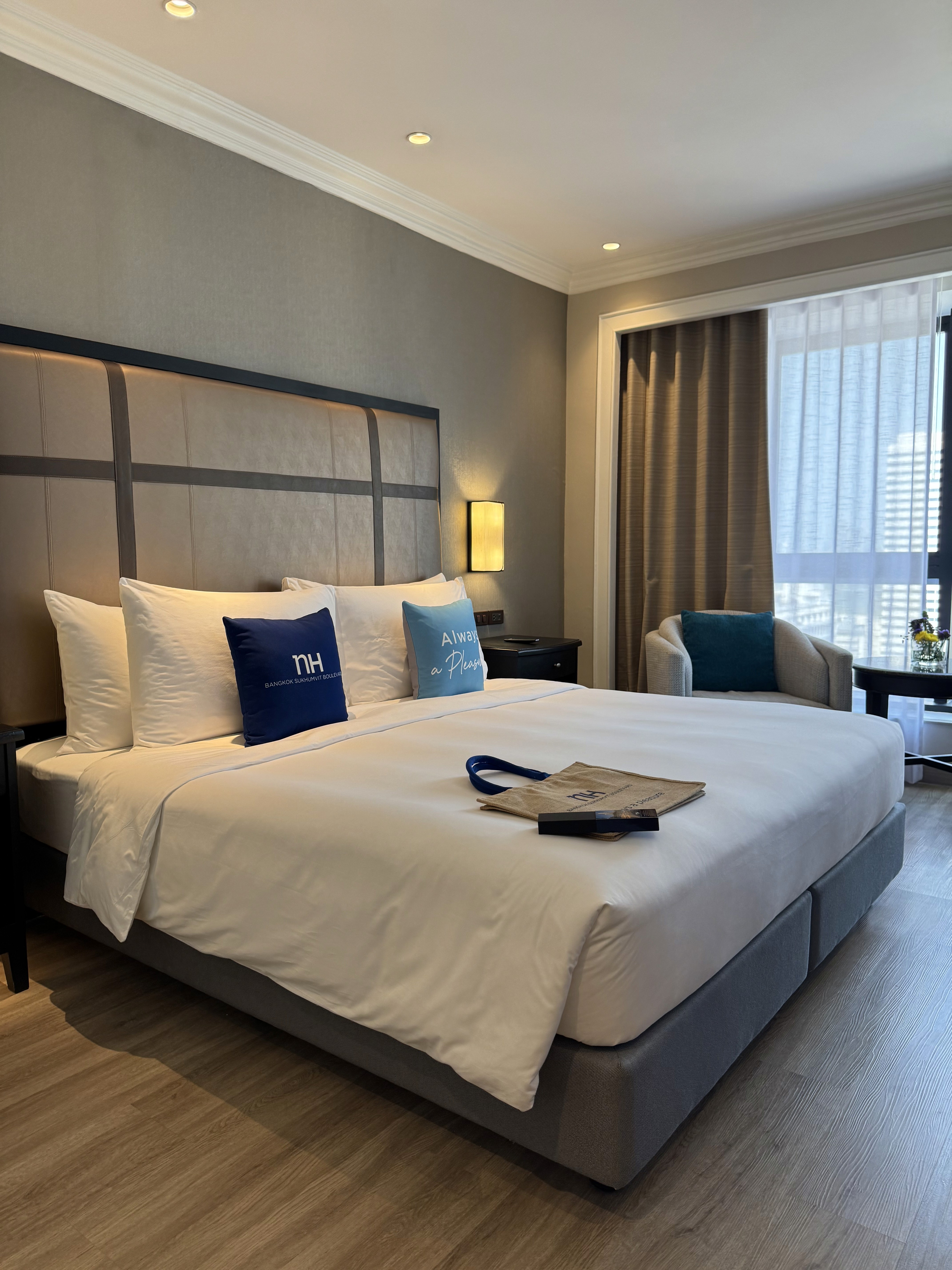
Hotels offer something no other accommodation type reliably does: consistency. Daily cleaning, professional service, concierge support, and predictable amenities make them ideal for short stays, city transitions, or moments when you need to arrive, work, and not think about logistics. If you have back-to-back client calls on arrival day, a hotel removes all friction.
The cost is the obvious downside, particularly for longer stays. Hotels become expensive fast, and most were not designed for people working eight-hour days in a single room. If you do use hotels regularly, pick one loyalty programme and stick to it. Points from Marriott Bonvoy, Hilton Honors, or IHG Rewards accumulate quickly for frequent travellers and translate into meaningful upgrades and free nights over time.
Hotels work best for stays of a few days, for business-heavy stretches where convenience is worth the cost, or as a reliable base during complicated travel legs.
Homestays: Best for Cultural Immersion
Staying with a local family offers a depth of experience that no other accommodation type comes close to matching. Your hosts become your first connection to the culture, the city, and the daily rhythms of local life. Recommendations, meals, language practice, and genuine friendship are all on the table in a way they are not elsewhere. Homestays are also often competitively priced for longer stays, sitting somewhere between hostel and apartment costs.
The experience is highly dependent on your host match, and privacy is limited by nature. If you are someone who needs complete quiet to work or recharges best with solitude, a homestay may feel constraining. For nomads who want to learn a language, connect deeply with a culture, or simply experience life somewhere as a resident rather than a visitor, it is one of the most rewarding options available. Homestay.com and Airbnb both list verified options across most popular destinations.
Coliving Spaces: Best for Community and Nomad Infrastructure
Worth adding to any serious nomad's accommodation toolkit: coliving spaces have grown significantly and now represent a distinct category of their own. You get a private room, shared common areas, dedicated coworking space, fast Wi-Fi, and a curated community of remote workers all under one roof. Many coliving spaces run workshops, day trips, and social events specifically for residents, which means the social work has already been done for you.
The cost sits above hostels but often below hotels when you factor in utilities, coworking, and events being bundled in. Availability is concentrated in popular nomad cities: Bali, Lisbon, Chiang Mai, and Medellin all have strong options. Selina is one of the best-known international coliving brands, with locations across dozens of cities. Search "coliving space" plus your destination for local options.
Coliving suits nomads who want the social energy of a hostel with the work infrastructure of an apartment and are willing to pay a modest premium for it.
How to Choose
Your right answer changes depending on where you are in your nomad journey and what you need from a particular stay. A useful framework: short stay with no one in the city, hostel or coliving. Longer stay needing focus and privacy, apartment. Arriving somewhere new for work with tight deadlines, hotel. Want to learn the language and go deep into a culture, homestay.
Many experienced nomads mix and match across a single trip, spending the first week in a hostel or coliving to find their feet and meet people, then moving into an apartment once they know the neighbourhoods and have a social circle to fall back on. There is no single right answer, and working out what suits you is part of the enjoyment of the lifestyle.
Follow to learn & travel more
Simple guidance and ideas to earn remotely and start traveling the world