Visas & Residency
Bulgaria's Digital Nomad Visa Is Live. Here's Everything You Need to Know.
Bulgaria opened its digital nomad visa applications in December 2025 and it's fully live right now. Schengen access, the euro, low cost of living, and a flat 10% tax rate. Here's the full breakdown.
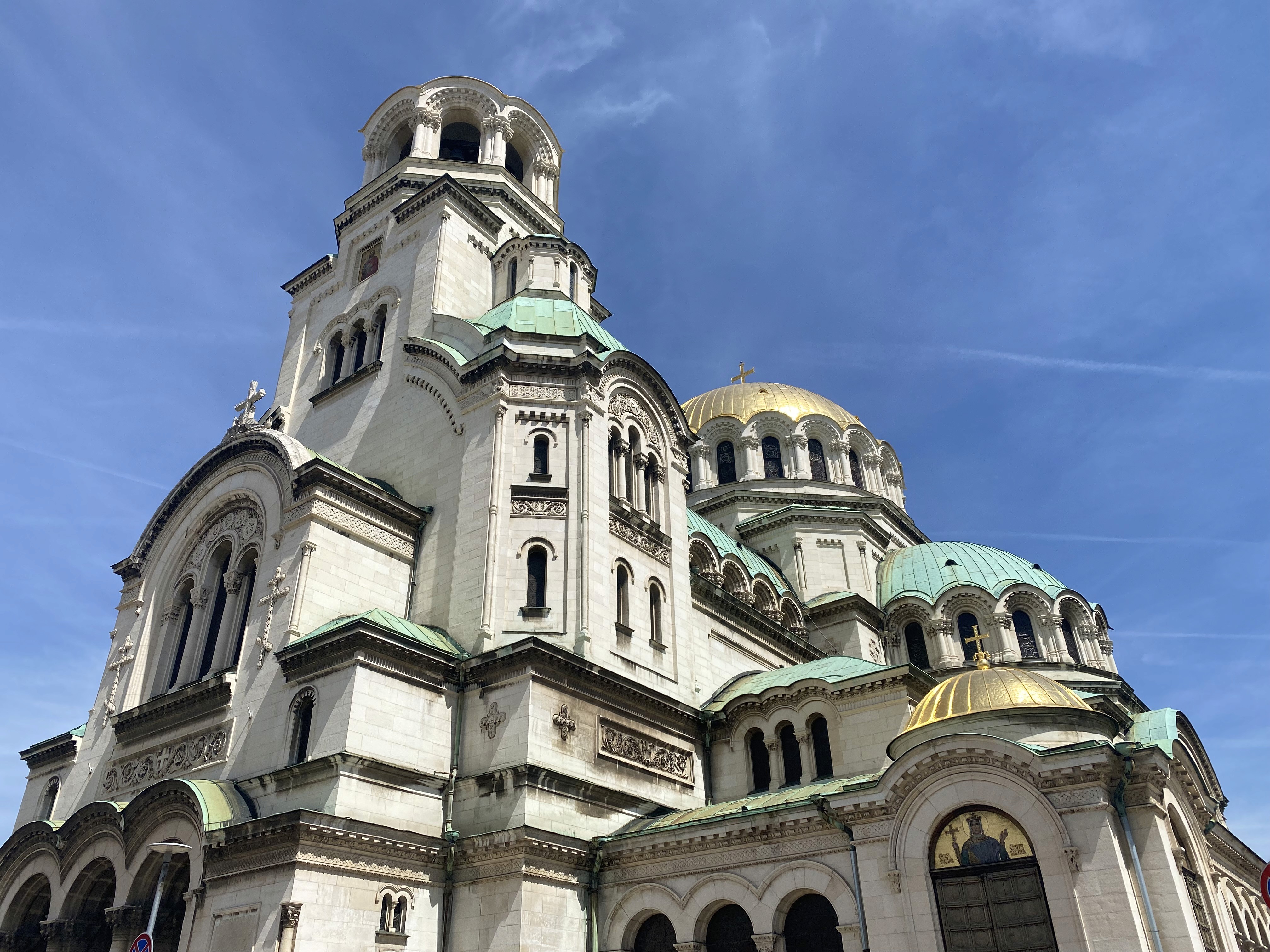
Bulgaria quietly became one of the more interesting nomad destinations in Europe, and most people haven't caught on yet.
Applications for the Bulgarian digital nomad visa opened in December 2025 and the programme is fully live right now. The timing is significant: Bulgaria joined the Schengen Zone in 2025 and adopted the euro in January 2026. That combination of low cost of living, Schengen freedom, and a brand new nomad visa makes this very interesting 👀
Here's the full picture.
Who Can Apply
The visa is open to non-EU/EEA citizens who work remotely with income sourced from outside Bulgaria. Three categories of people qualify:
Remote employees of companies registered outside the EU, EEA, and Switzerland
Business owners or shareholders holding more than 25% of a company registered abroad
Freelancers and independent professionals who have been working with non-Bulgarian clients for at least one year before applying
That last point matters. If you went freelance six months ago, you'll need to wait before applying. The one-year requirement is a real eligibility condition, not a formality. ✨
The Income Requirement
To qualify, you need to show an annual income of at least €31,000. That figure comes from 50 times Bulgaria's current monthly minimum wage of €620.
It's a higher bar than Nepal's $1,500/month threshold, but still lower than most Western European nomad visas, and the cost of living in Bulgaria makes it very workable in practice. If you're still building toward that number, my guide to making money as a digital nomad covers the realistic income paths that remote workers are actually using right now.
The Application Process
This is a two-step process and the whole thing takes upwards of three months, so plan ahead.
Step 1: Type D Visa from a Bulgarian Embassy
Before you can enter Bulgaria under this programme, you need to obtain a Type D long-stay visa from a Bulgarian embassy or consulate in your home country. This takes between four and eight weeks. To find your nearest Bulgarian diplomatic mission and start the process, the Bulgarian Ministry of Foreign Affairs consular directory is the place to go.
Step 2: Residence Permit Once You Arrive
Once in Bulgaria, you have 14 days to apply for a residence permit under the Digital Nomad Visa programme through the Bulgarian Migration Directorate. Documents you'll need to have ready:
Proof of accommodation in Bulgaria (rental contract, hotel booking, or property ownership)
Clean criminal record certificate from your country of residence
Translations of all foreign documents into Bulgarian, apostilled where required
Proof that you meet the €31,000 annual income threshold
Health insurance covering you in Bulgaria for the full duration of your stay, valid across the entire Schengen and EU area
After the residence permit is approved, you can apply for an identification card as a final step.
The residence permit is valid for one year and renewable for a second year, as long as your eligibility conditions still hold.
Taxes in Bulgaria
Bulgaria runs a flat 10% income tax rate. If you stay for more than 183 days in a calendar year, you become a tax resident and that rate applies to your income. For most people coming from higher-tax home countries, this is a meaningful saving. If you want to understand what the 183-day rule actually means for your situation and how tax residency works across borders as a nomad, my Digital Nomad Taxes guide breaks it all down clearly.
Why Bulgaria Right Now
A few things have shifted that make Bulgaria genuinely compelling in 2026, not just affordable.
Joining the Schengen Zone means Bulgaria now sits inside the borderless travel area that covers most of Europe. That's a big deal for nomads who want to base themselves in one place but travel freely across the continent. You're no longer burning Schengen days by being in Bulgaria, and hopping to Greece, Romania, or further afield for a weekend is completely seamless.
Adopting the euro removes a layer of friction too. Currency exchange, pricing transparency, and transferring money around Europe all get simpler.
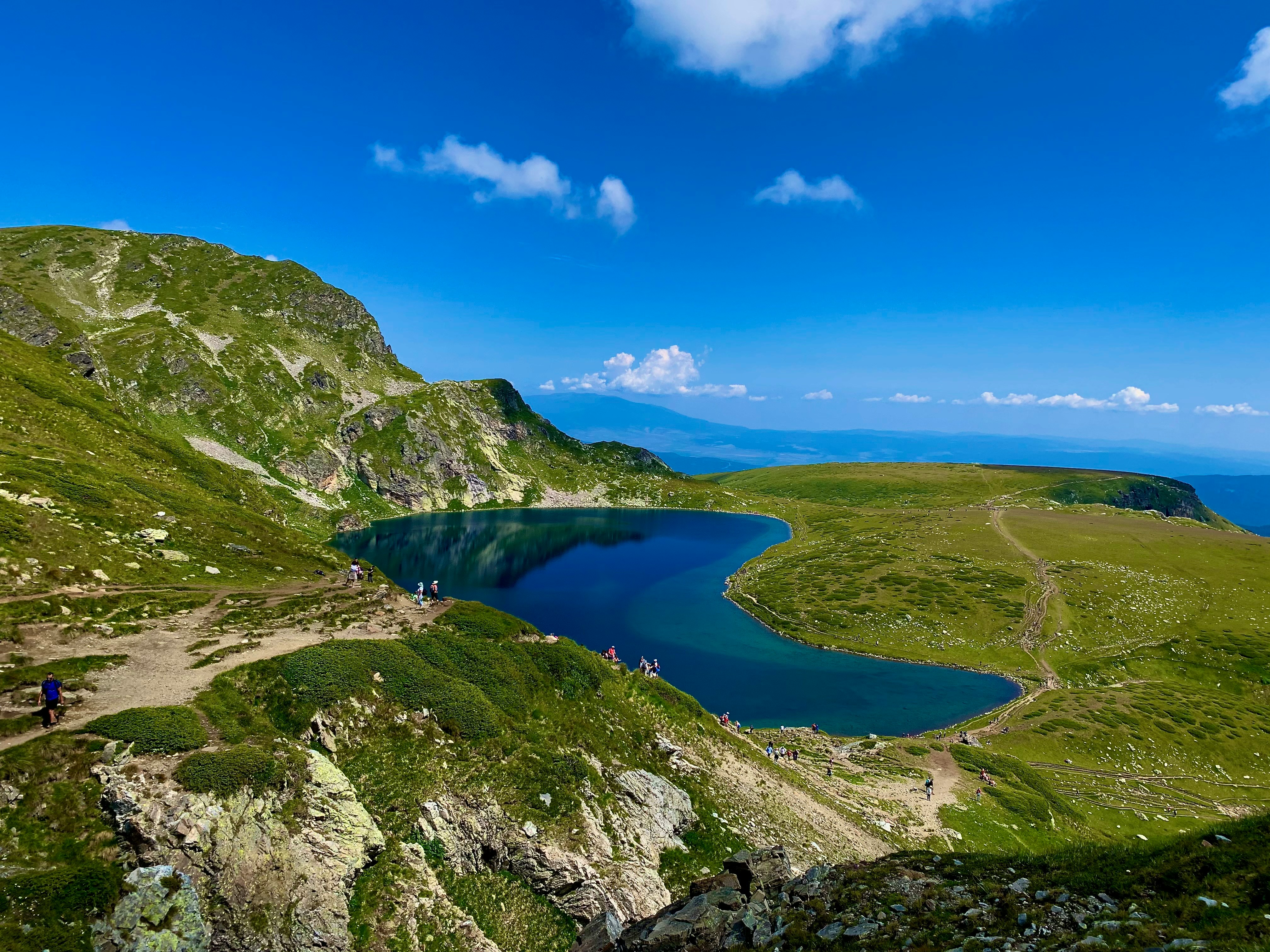
On cost of living, Bulgaria still ranks among the most affordable countries in the EU. Sofia is the obvious hub, with a growing coworking scene, strong transport links, and a food and nightlife culture that punches well above its price point. The Black Sea coast (Varna and Burgas) attracts the summer crowd. The Rhodope Mountains and Pirin offer serious hiking territory if that's your version of a weekend.
The Bottom Line
Bulgaria's digital nomad visa is open, the process is clear, and the country is at an interesting point right now. The Schengen membership and euro adoption are recent, the nomad infrastructure is still developing, and the cost of living hasn't caught up with the rest of Europe yet. That window won't stay open forever.
If you're eligible and the €31,000 income threshold works for you, this is a very solid European base.
Source: Euronews, January 2026
Not earning €31,000 remotely yet? That's the starting point.
The income bar for Bulgaria's visa is achievable with the right remote work setup. The Escape Plan is my €17 guide to landing your first €1,000 online using skills you already have. Templates, pricing strategy, three income paths, and a 30-day action plan. Rated 4.8/5 by 500+ students.
Thinking about making the move?
If you're not quite there yet, start with the free digital nomad starter pack. It covers the basics of going location-independent without the overwhelm. Grab it at stellasentiero.com/newsletter. Comes with weekly travel deals, cool trips, giveaways and remote job opportunities! 💌
Follow to learn & travel more
Simple guidance and ideas to earn remotely and start traveling the world