Digital Nomad Life
Japan Digital Nomad Visa 2026: What the New Fees Mean
Japan's residency fees jumped on 1 October 2026. Here is what it means for the Japan digital nomad visa and for anyone hoping to stay longer.

Japan just got a lot more expensive for anyone who wants to stay long term. On 1 October 2026, the fee for permanent residency went from ¥10,000 to ¥200,000. That is twenty times more.
If Japan is on your list, you probably have two questions. Does this change the Japan digital nomad visa? And what does it mean if you hope to stay longer than a few months? Here is what I found, checked against Japan's own official pages.

What changed on 1 October
The Immigration Services Agency of Japan introduced new fees as part of changes to the Immigration Control Act, reported by Japan Today. Two things matter here.
The first is permanent residency. The official Immigration Services Agency page now says the fee is ¥200,000 when permission is granted. If your application was accepted by 30 September 2026, you still pay the old ¥10,000, even if the decision comes later. A reduced fee of ¥20,000 exists for people who meet certain conditions.
The second is extensions and status changes. These used to cost a flat ¥6,000. Now the fee depends on how long the permission lasts:
Up to 3 months: ¥10,000
1 year: ¥33,000
1 to 3 years: ¥48,000
5 years or more: ¥75,000
So the longer you want to stay, the more you pay. Japan Today puts the top of the scale at ¥75,000, up from ¥6,000.
Does this affect the Japan digital nomad visa?
Based on what I found, not directly. The digital nomad visa gives you up to six months and the Ministry of Foreign Affairs is clear that no extension will be granted. No extension means no extension fee. Permanent residency is a long way down the road for most nomads anyway.
Where it matters is the next step. If you land in Japan, fall in love and want to switch to a work visa or another longer status, that change now costs more. Plan for it before you arrive, not after.
Japan digital nomad visa requirements
The visa launched in March 2024. Here are the fast facts from the Ministry of Foreign Affairs:
Stay: up to six months, no extension
Income: at least ¥10 million a year, shown with tax certificates, income certificates or contracts
Insurance: cover for death, injury and illness, with at least ¥10 million in medical cover
Family: a spouse or child can join you, and they need their own insurance
Eligible countries: around 50 countries and regions with a visa exemption agreement (check the official list for your passport)
That ¥10 million is the big one. That is a high salary in most countries, and plenty of freelancers will not reach it. Critics say the income floor leaves out most remote workers, and the numbers back that up.
How many people actually get it?
More than before, but still not many. Japan issued 646 digital nomad visas in 2025, up from 257 in 2024, according to figures from the Japan Digital Nomad Association based on Foreign Ministry data. The 2024 number only covers 31 March to 31 December, so the real jump is smaller than "more than double" suggests. It works out at roughly 54 visas a month in 2025. For a country with Japan's pull, that is tiny.
The part nobody tells you about the six-month limit
Six months sounds generous until you live there. Holders do not get a residence card, according to law firm RSM, which can make it harder to open a bank account, rent long term or get a Japanese phone number. RSM also says you need to spend six months outside Japan before you can apply again.
That means Japan works best as a proper chapter, not a base. Think one long, well-planned stay, with your insurance and income papers ready before you book flights.
Is the Japan digital nomad visa still worth it?
If you earn ¥10 million or more, yes. Six months in Tokyo, Fukuoka or Kyoto while working normally is a very good deal, and the new fees do not touch it.
If you do not hit that income, you have other options. A 90-day tourist stay lets you explore without working in Japan. And there are city programmes. I wrote about the Nagasaki Nomad Residency, a one-month programme for 20 remote workers that runs from 18 October to 15 November 2026. It does not need the ¥10 million income, which is a big part of its appeal.
What to do before you go
A few practical things I would sort out first.
Check your passport is on the eligible list before you spend money on anything else. Get your income proof together early, because Japan wants documents, not promises. And read my guide on travel insurance for digital nomads, since the visa requires specific cover.
Also look at the tax side. Where you pay tax depends on how long you stay and where you are resident, and my post on digital nomad taxes explains the basics. If you are comparing Japan with other options in Asia, my South Korea digital nomad visa guide shows how a similar visa works next door.
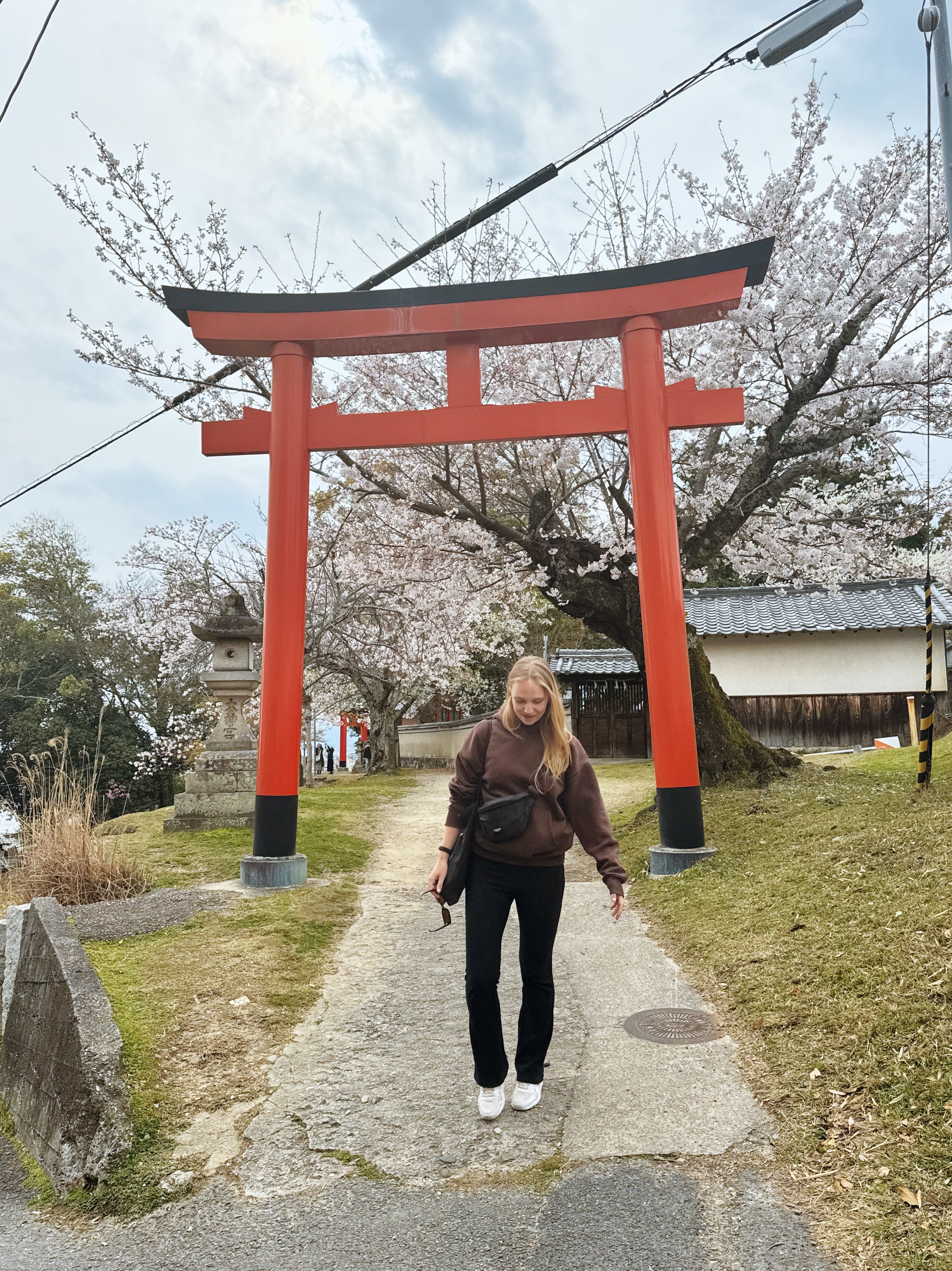
My take
The fee jump hurts people who dream of building a life in Japan. It does not impact the six-month nomad visa luckily. But it sends a clear message: Japan is happy to have you for a while, and gets more expensive the longer you want to stay.
For most of us, that is fine. Japan is one of those places that stays with you after one good stay. Go for the six months, or a month in Nagasaki, and see how it feels before you think about anything permanent.
Always check the current rules with the Immigration Services Agency or your nearest Japanese embassy before you apply. Fees and requirements change, and this post is not legal advice.
Ready to make your travel life possible?
The visa is only half of the plan. You still need income that travels with you. The Escape Plan is my step-by-step guide to making your first €1,000 online, so you can afford the places you keep bookmarking. It is €17 and you can get it at stellasentiero.com/escape.
Follow to learn & travel more
Simple guidance and ideas to earn remotely and start traveling the world