Visas & Residency
UAE Visa on Arrival 2026: Six New Countries Now Eligible
The UAE expanded its visa-on-arrival programme from July 25. If you hold residency from the right country, you can now show up and get in. Here's exactly how it works.

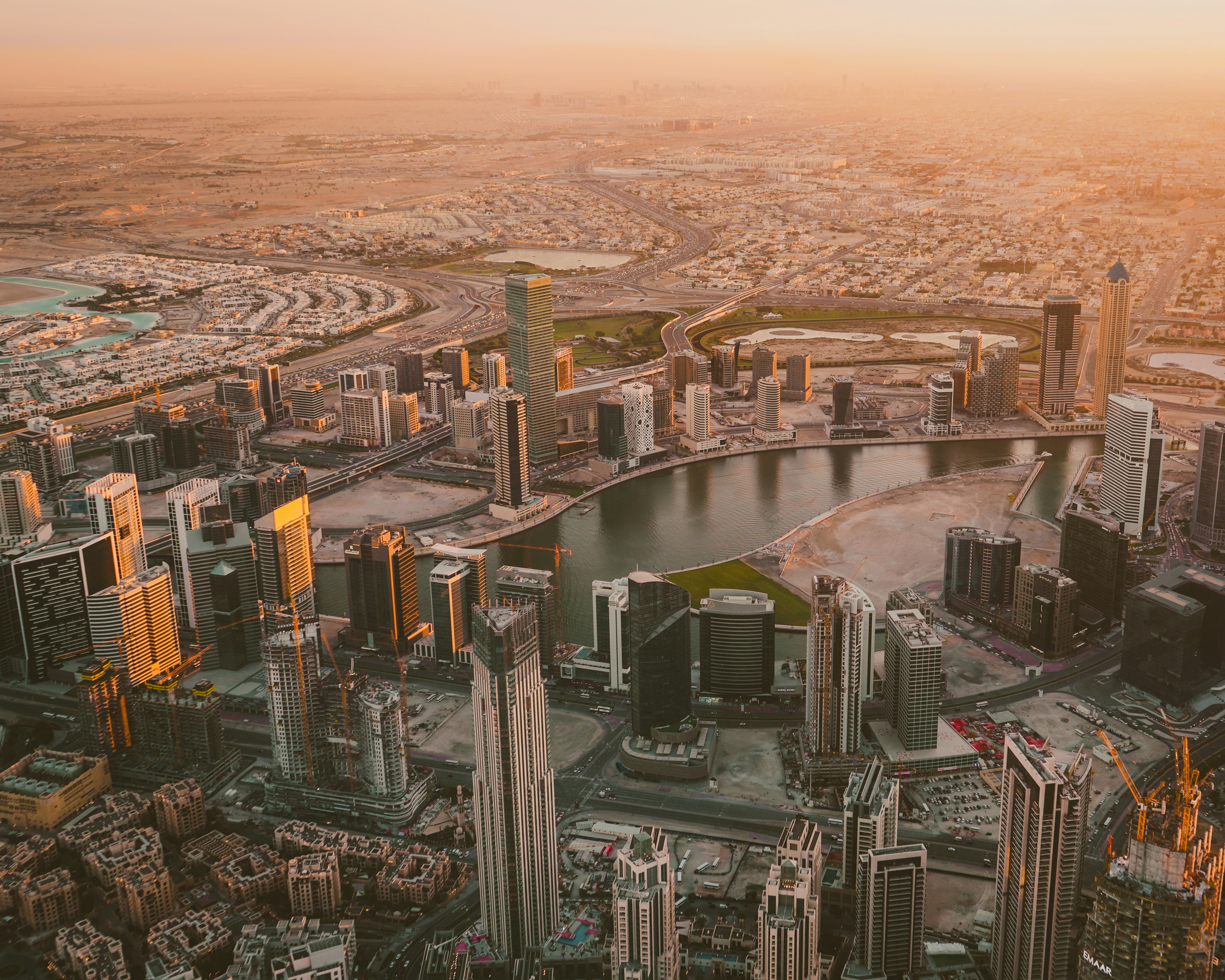
Dubai keeps turning up on nomad itineraries for good reason. Tax-free income, insane infrastructure, flights to basically everywhere, and a coworking scene that's genuinely world-class. The problem, for a lot of travellers, has always been access. Unless you held the right passport, getting in required advance planning..
That just changed for six nationalities!
From 25 July 2026, citizens of Indonesia, Vietnam, Thailand, the Philippines, Kenya, and South Africa can get a UAE visa on arrival. No embassy appointment, no waiting. Just land, show your documents, and you're in. ✨
There's a catch, though.. So before you book a ticket, here's what you need to know!
What Changed and Why It Matters
The UAE Ministry of Foreign Affairs announced the expansion on 25 June 2026, with the programme going live exactly one month later. Under the new rules, nationals from the six eligible countries can receive either a 14-day or a 60-day visa on arrival at UAE airports.
This is a meaningful shift. Previously, citizens of these countries needed to apply for a UAE visa in advance, which added friction, cost, and time. Now, if you qualify, you walk off the plane and sort it at the border.
The UAE framed this as part of its broader push to strengthen economic and cultural ties with these countries. Whether or not you care about the diplomacy, the practical effect is real: Dubai just became easier to visit for millions of people.

Who Actually Qualifies
Here's where you need to pay attention.
The visa on arrival is not open to all nationals of these six countries. You qualify only if you hold a valid residency permit issued by one of the following countries:
United States
Any European Union member state
United Kingdom
Singapore
Japan
South Korea
Australia
New Zealand
Canada
So this isn't a blanket visa-free arrangement. It's specifically designed for nationals of those six countries who are already living legally in one of the major Western or Asia-Pacific economies. Think: a Filipino holding a UK skilled worker visa, an Indonesian on a Portuguese residence permit, a South African with Australian PR, or a Vietnamese national with a US green card.
If you're a nomad from one of these countries and you've based yourself in Europe, the UK, or Australia to get residency, you now have a much easier time adding Dubai to your route.
Your accompanying family members are also covered under the same rules, provided they meet the same residency requirement. The visa applies to holders of ordinary passports only.

14 Days or 60 Days: Which One Do You Need?
The programme offers two options.
The 14-day visa costs AED 100 (roughly €25 / $27 USD). The useful thing about this one is that you can extend it once while you're already in the UAE, giving you more flexibility if you decide you want to stay longer.
The 60-day visa costs AED 250 (roughly €63 / $68 USD). This is the one that makes sense for a proper nomad stint. It's a single-stay visa with no extension option, so you need to be sure about your timeline before you arrive. Once it expires, you need to leave.
Either way: overstay by even a day and you're looking at an AED 50 fine per day. The UAE enforces this. Don't be that person.
For most nomads, the 60-day option is the better pick. Two months in Dubai gives you enough time to actually settle in, find a coworking space, figure out where you like to eat, and do a day trip or two before moving on.
Is Dubai Worth it For a Nomad?
I'e personally never been, i'll be honest, but from what i heard it depends on what you want from a place. Some people i spoke to love it, others don't see the hype.
Dubai is expensive compared to Southeast Asia or the Balkans. Accommodation in particular adds up, especially if you want to be central. That said, the infrastructure is some of the best anywhere in the world. The internet is fast and reliable. Public transport is excellent. The food scene is genuinely great, with more variety than most European cities. And the UAE charges no personal income tax, which is relevant if you're earning remotely and trying to be thoughtful about your tax situation.
The heat in summer (roughly June to September) is extreme. We're talking 40°C+ with high humidity. Most nomads who go tend to visit in the cooler months, October through April, when the weather is genuinely pleasant. If you're planning to use this new visa and you're reading this in July, just know what you're signing up for.
Abu Dhabi is also worth considering if you want a slightly slower, quieter experience than Dubai. It's part of the UAE, about an hour's drive away, and covered under the same visa rules.
One thing worth noting: the UAE has social and cultural norms that differ from Western or Southeast Asian nomad hubs. Public displays of affection are discouraged, alcohol is only available in licensed venues, and dress codes apply in certain areas. None of this is a dealbreaker, but it's worth knowing before you go rather than after.
What to Sort Before You Fly
A few practical things if you're planning a trip:
Make sure your residency permit from the qualifying country is valid. It can't be expired. Border staff will check.
Check that your passport is valid for at least six months beyond your intended stay. This is standard for UAE entry.
Have proof of your residency permit ready to show at immigration. A physical permit card or, where applicable, a digital version should work, but carry both if you can.
Book accommodation in advance if you're going during peak season (October to March). Dubai is a popular destination and decent places fill up.
For coworking, Dubai has plenty of options. Spaces like Astrolabs, Nest, and WeWork locations are well-established and easy to find in the main business districts.

The Bigger Picture
The UAE has been steadily expanding its visa access over the past few years, including through programmes like the Golden Visa and the Green Visa, which offer longer-term residency for investors, skilled professionals, and freelancers. This latest expansion continues that pattern.
For nomads from Indonesia, Vietnam, Thailand, the Philippines, Kenya, or South Africa who have worked hard to build residency in qualifying countries, this might be a useful door-opening.
If you're from one of the other nationalities, this particular announcement doesn't change anything for you directly. But it's a useful reminder to check current UAE entry rules for your own passport, as access has been expanding broadly across many nationalities.
If you're figuring out how to make your first year of location-independent life actually work, the financial side matters just as much as the visa side. The Escape Plan at stellasentiero.com/escape breaks down how to make your first €1,000 online and build the income that makes trips like this possible. It's €17 and it's the most practical thing I've made!
Talk soon!
Follow to learn & travel more
Simple guidance and ideas to earn remotely and start traveling the world
