Visas & Residency
Kazakhstan's Digital Nomad Visa: No Income Proof Needed
Kazakhstan's Digital Nomad Visa offers a path to 10 year residency with no income requirement. Here's exactly who qualifies and how it works.
Most digital nomad visas want to see your bank statements before they'll even look at your passport. Portugal wants proof of steady income. Spain wants it too. Even Kazakhstan's own Neo Nomad Visa asks for $3,000 a month coming in.
Then there's Kazakhstan's other visa, the one actually called the Digital Nomad Visa, and it asks for none of that! Just proof you work in a field the country wants more of. According to a Fragomen immigration alert confirming the programme, this is a clear strategy, not a loophole, and it's worth understanding before you get excited about moving to Almaty. So here are the details:
Two visas, same country, completely different rules
Kazakhstan currently runs multiple remote work visa categories, and mixing them up is the easiest way to apply for the wrong one lol.
First, the Neo Nomad Visa (B12-1) is the one most closely matching what you'd expect from a typical digital nomad visa. It's open to freelancers, employees, and business owners working remotely, and it asks for proof of at least $3,000 a month in income, a clean criminal record, and international health insurance. It's valid for a year with the option to renew, and you can bring a spouse and dependants, though they won't be allowed to work locally.
Then, the Digital Nomad Visa (B9-1) is the more unusual one, and it's the one behind the "permanent residency, no income proof" headline. Instead of an income threshold, it asks that you work in an in-demand profession. Think: IT specialists, cybersecurity, UI/UX design, DevOps, and similar fields dominate the approvals so far. You apply either through the Astana Hub government platform or with authorisation from a Kazakh IT sector agency. Dependants can't be sponsored, and you're not allowed to take local work, but the visa can be granted for up to 10 years at a time.
If you're not working in tech, this specific visa probably isn't for you. That's worth being honest about, because a lot of the coverage online blurs the two visas together and makes it sound like anyone can walk in and get a decade of residency for free. You can't, unfortunately. But if you're a developer, designer, or security specialist working remotely, this is probably one of the more generous programmes out there right now.
What you'll actually need to apply
For the Digital Nomad Visa (B9-1) specifically, expect to provide:
Proof you work in a qualifying in demand profession
A valid passport
Application through Astana Hub, or authorisation from a relevant Kazakh government IT agency
No proof of minimum income
Single entry applications can be filed entirely online with no consular visit required. Multiple entry visas, also valid for up to a year at a time, get processed through Kazakhstan's Ministry of Internal Affairs once you're already in the country. You can apply for residency during the visa's validity period, which is how professionals like Filatov end up with a full decade of legal status.
Compare that to the Neo Nomad Visa, where you'll need bank statements, a criminal background check, and that $3,000 monthly income proof, and it's clear these two programmes are built for different people entirely.
Why Kazakhstan is doing this
This isn't charity of course. Kazakhstan wants to become a regional tech hub, and it's competing for the same global talent pool as Georgia, Estonia, and the UAE. Offering permanent residency with no income floor is a direct ask for skilled workers who might otherwise land somewhere with a longer track record and better name recognition. The country has also introduced a separate golden visa for foreign nationals investing at least $300,000 into Kazakh companies or listed securities, which tells you this is part of a much bigger push, not a one-off programme.
What life actually looks like there
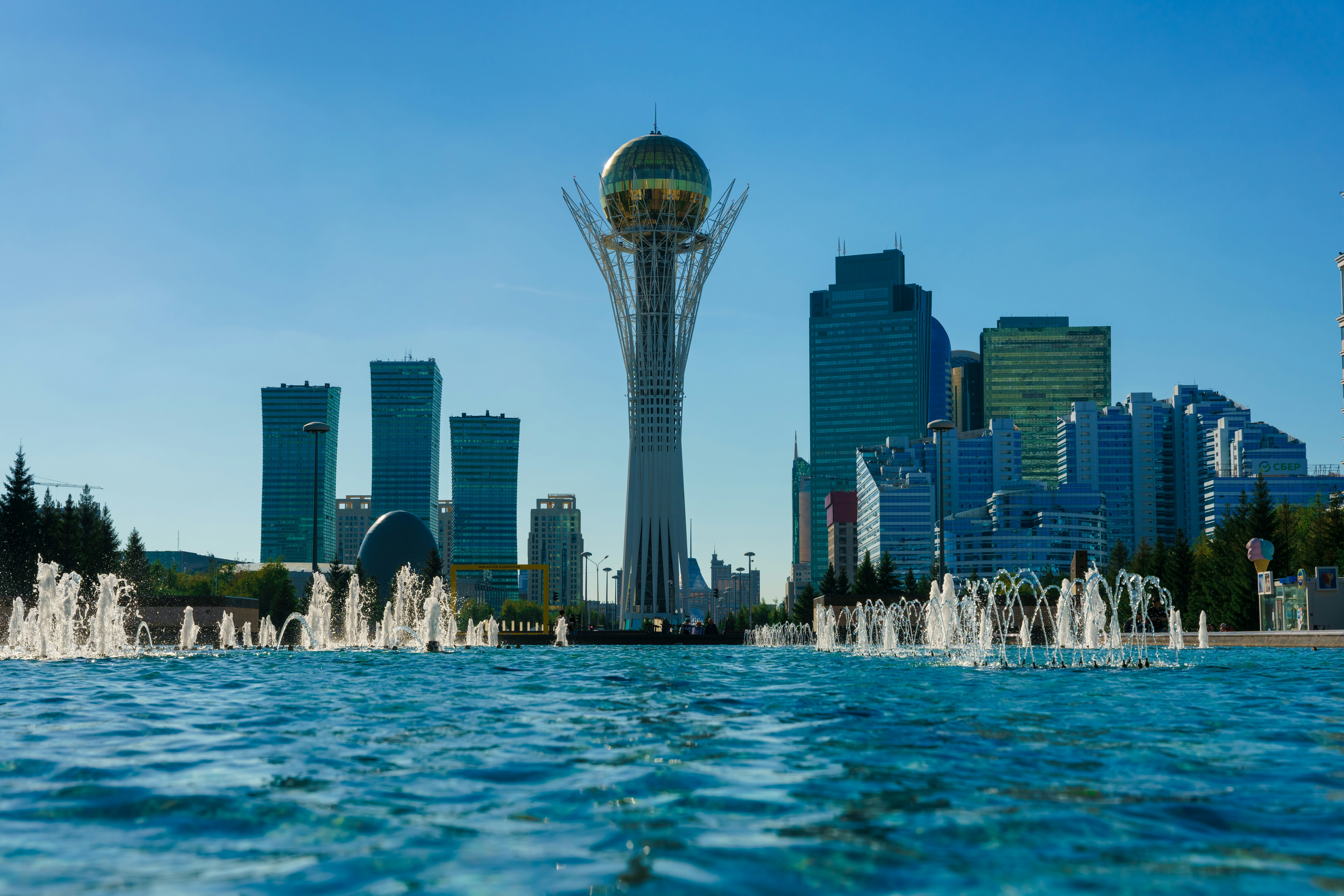
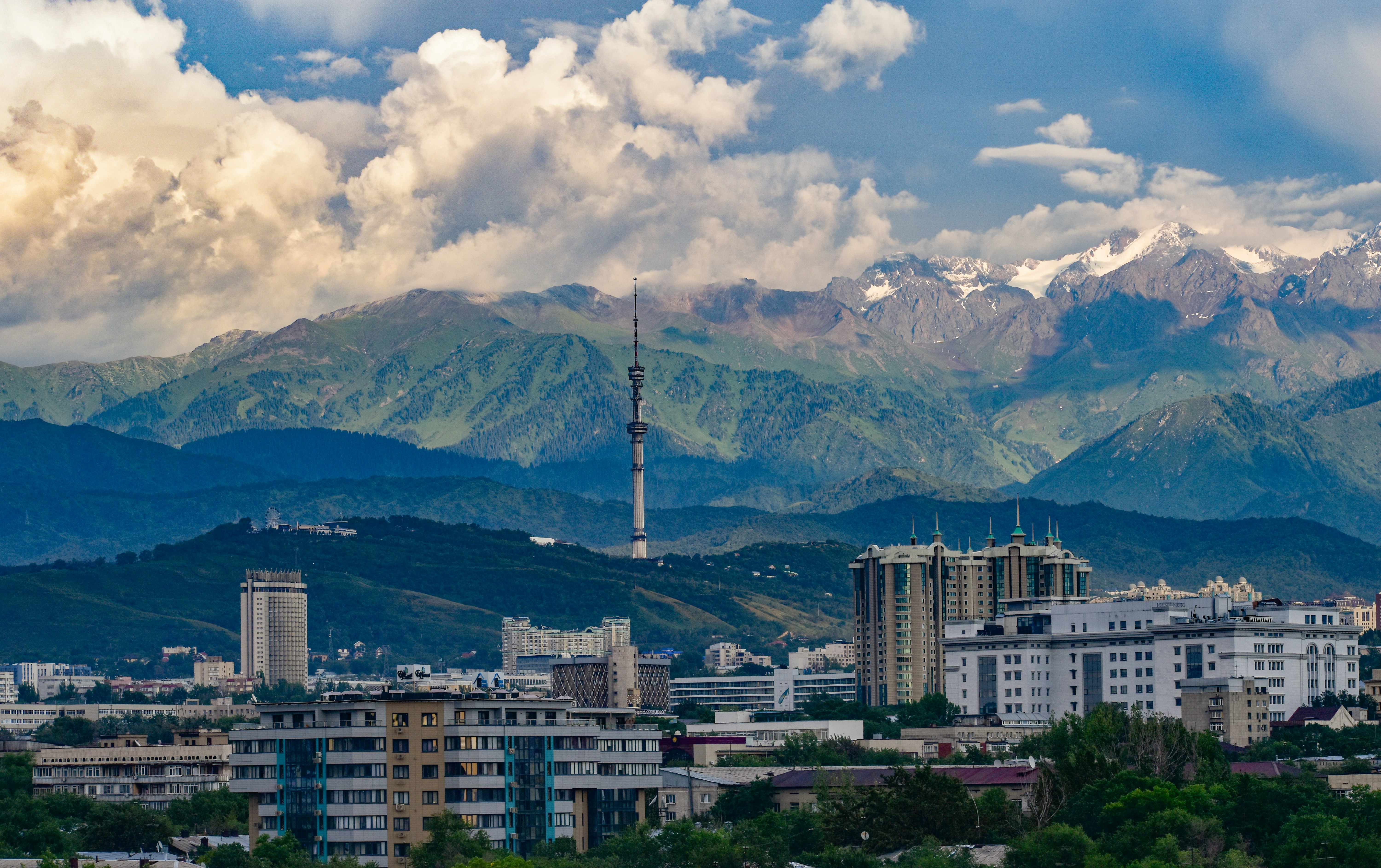
I've personally never been, so keep that in mind. But from what i read online and hear around me Almaty is the city most nomads gravitate to. It has a growing expat community, a solid café culture, reliable coworking spaces, and mountains right on the doorstep for weekend hikes. Astana, the capital, leans more futuristic and less immediately welcoming, but it's building out fast. Either way, the cost of living sits well below Western Europe, and that gap matters if you're weighing this against, say, Lisbon or Barcelona.
On tax, non-residents are only taxed on income earned inside Kazakhstan. If you become a tax resident, you're looking at a flat 10% on worldwide income, which is refreshingly simple compared to the sliding scales you'll find across much of Europe. Still, get proper tax advice before you commit. Tax residency rules shift depending on how long you actually stay, and this isn't something to guess your way through.
You'll also need international health insurance covering the full length of your stay for either visa category, so factor that into your budget before you apply.
Should you actually consider it
If you're in tech and you've been eyeing somewhere less obvious than the usual nomad hotspots, i would say this is worth a look. Ten years of residency with no income requirement is not a deal you'll find elsewhere. If you're not in one of the qualifying fields, the Neo Nomad Visa is still there, and it's a perfectly solid option if you can clear the income bar.
Either way, get your paperwork and your visa category sorted before you book anything. Wherever you land next, that's exactly the kind of groundwork The Escape Plan is built to walk you through, from figuring out your income setup to actually making the move stick.
Talk soon!
Follow to learn & travel more
Simple guidance and ideas to earn remotely and start traveling the world