Visas & Residency
Slovenia's Digital Nomad Visa: Your Guide to Applying
Slovenia's new digital nomad visa lets non-EU remote workers live there for a year with full Schengen access. Here's who qualifies and how it works.
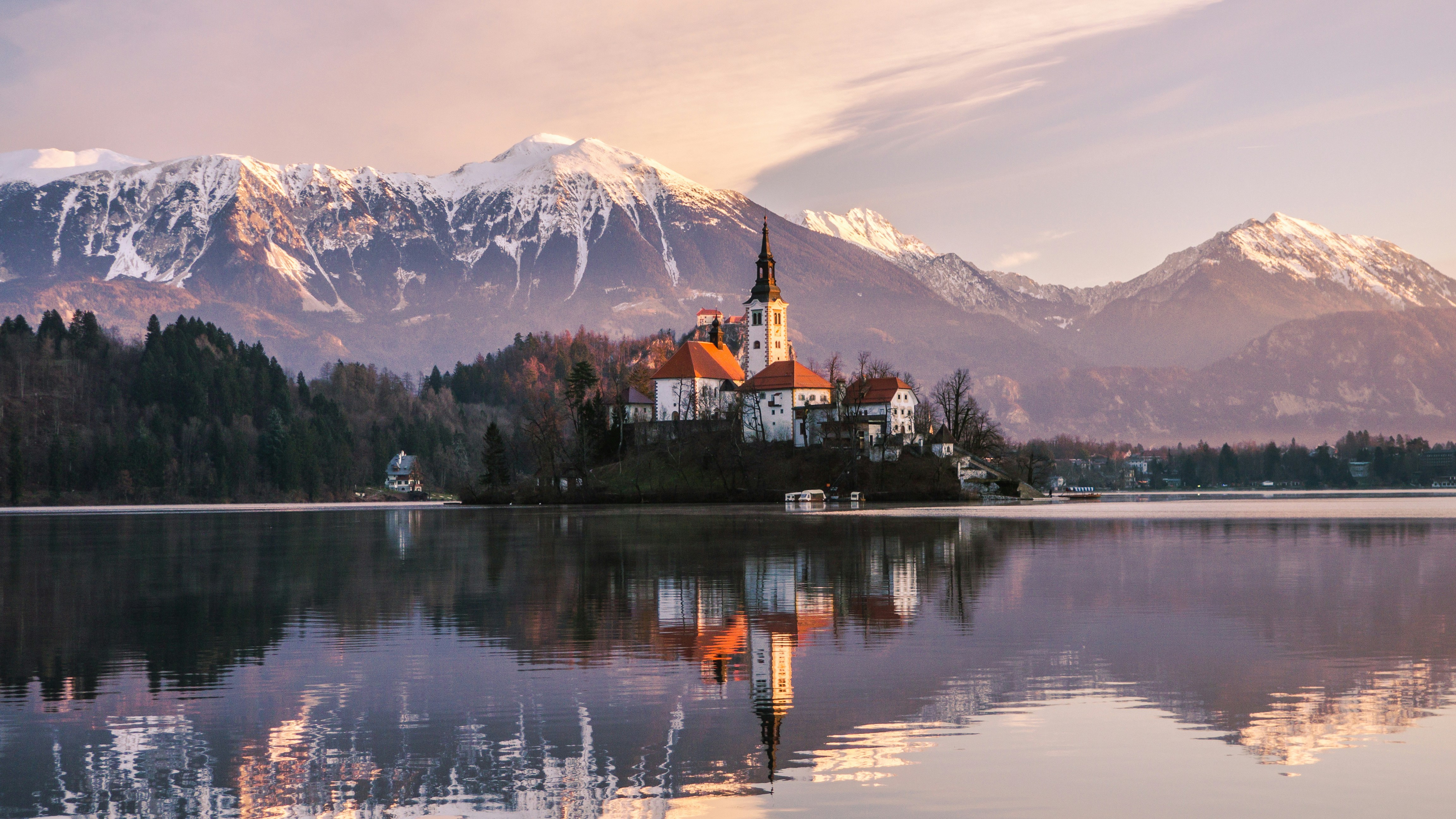
In case you missed it: Slovenia launched its own digital nomad visa on 21 November 2025 and it mostly flew under the radar. That's a shame, because it comes with something a lot of European nomad visas don't offer outright: proper Schengen access! interestinggg!
If you've been circling Europe on tourist stamps, watching your 90 days tick down every time, this one deserves a proper look.
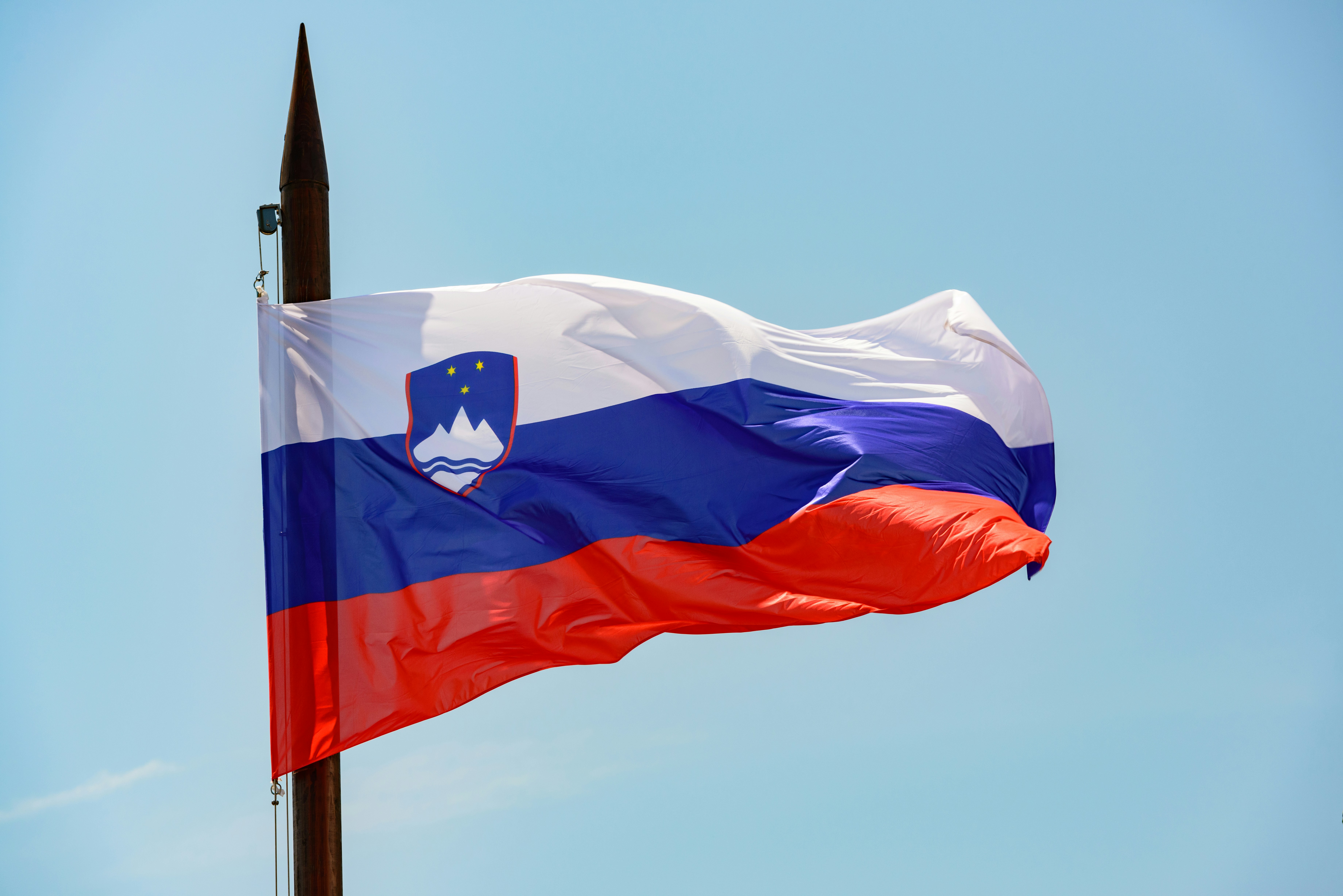
Who this is actually for
Slovenia's visa is aimed at non-EU and non-EEA nationals who work remotely for an employer or clients based outside the country, or who run their own business handled entirely online with no ties to Slovenian companies. It's a temporary residence permit, not a work visa, so it doesn't open the door to the local job market. Basically, you're there to work for people elsewhere, not to compete for Slovenian jobs.
You'll need to be at least 18, hold a valid passport, and show a monthly income of roughly twice Slovenia's average net salary. According to a detailed Citizen Remote breakdown of the requirements, that figure has landed somewhere between €2,900 and €3,200 depending on when it was last recalculated, so treat it as an estimate and check the current number before you apply! On top of that, expect to provide a clean criminal record, proof of accommodation in Slovenia (a short-term booking counts, luckily), and health insurance valid for your full stay.
What the visa actually gives you
Once approved, you can live in Slovenia for up to 12 months! The permit isn't renewable though, so when your year is up, you'll need to leave and wait six months before reapplying. It's not designed to be a forever solution, more a proper, legal season somewhere genuinely lovely.
And then there's the part that makes this visa stand out: because Slovenia is a full EU and Schengen member, holding this permit gives you the ability to travel across up to 29 other European countries for stays of up to 90 days. Base yourself in Ljubljana and you're a short flight or drive from most of the continent, without the visa juggling that trips up so many nomads working their way around Europe.
The paperwork, honestly laid out
Here's what you'll be gathering:
Completed temporary residence permit application form
Passport valid for at least three months beyond your intended stay
Proof of remote work for a foreign employer, client, or your own business registered outside Slovenia
Proof of accommodation in Slovenia
Criminal background certificate from your home country
Proof of income meeting the threshold
Health insurance valid in Slovenia for your full stay
You'll also attend a biometric appointment for fingerprints and a photo. You can apply either from abroad at a Slovenian embassy or consulate, or from within Slovenia at a local administrative unit if you're already there legally. Processing generally takes a few weeks, though embassy applications can stretch longer.
Fees are genuinely low by European standards. Applying within Slovenia runs to roughly €50 to €60 once you add the administrative and card issuance charges. Going through an embassy abroad costs more, closer to €102. Either way, it's far cheaper than the fees attached to some Southern European nomad visas, though you'll still need to budget separately for health insurance, which typically runs €50 to €100 a month depending on your provider.
Once you land, you have eight days to register your address with the local administrative unit, so don't leave that paperwork sitting in your inbox.

Where to actually base yourself
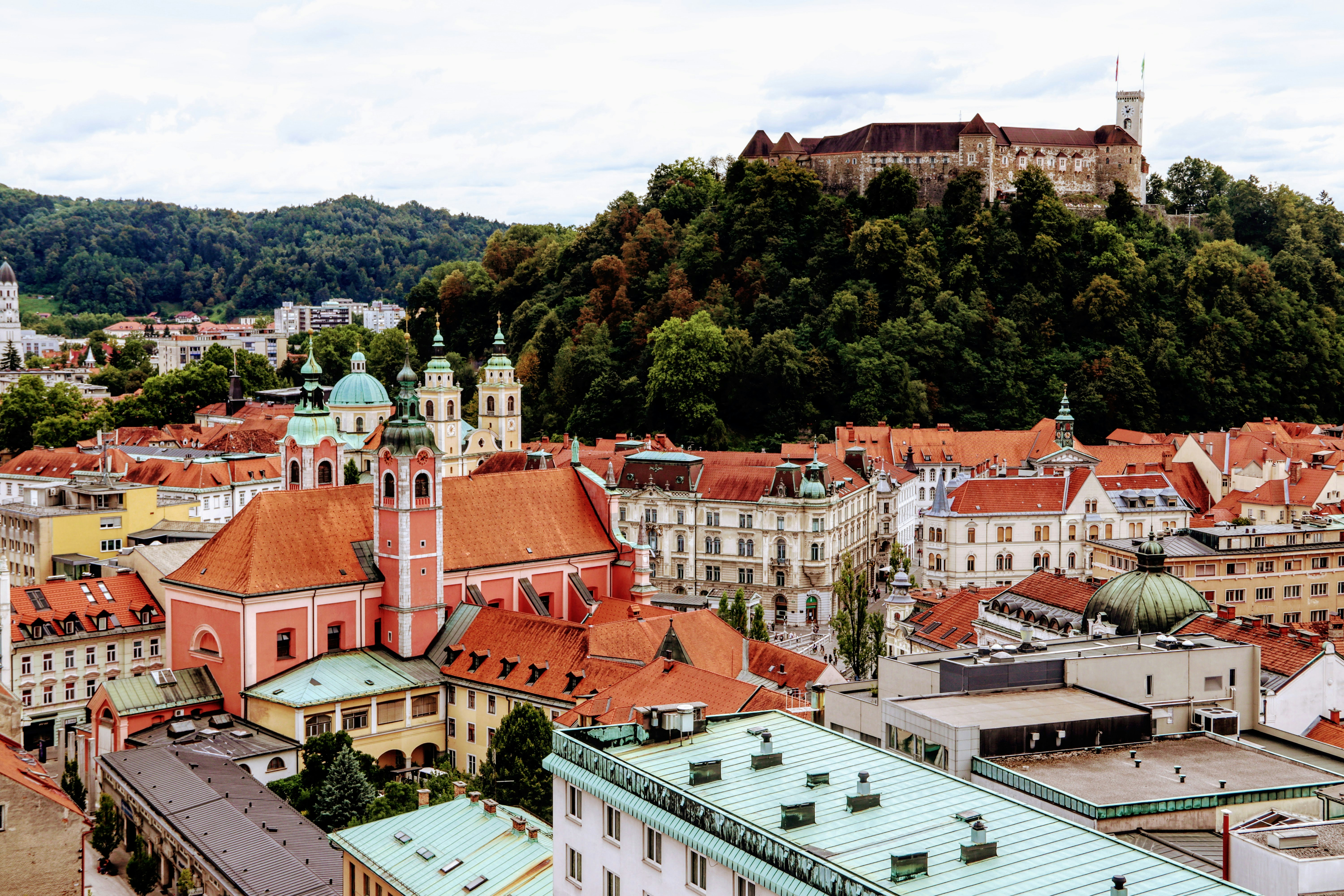
Ljubljana, the capital, is the obvious pick if you want café culture, walkable streets, and a proper coworking scene. It's compact enough to never feel overwhelming but lively enough that you won't run out of things to do.
Maribor is the quieter, cheaper alternative, sitting along the Drava River and surrounded by vineyards. If Ljubljana feels a bit much, this is where a lot of nomads end up settling instead.
Piran, on Slovenia's small stretch of Adriatic coastline, is the one worth knowing about if you want sea views without Croatia's price tag. Cobbled streets, seafood, and a much slower pace than the capital.
Rent in Ljubljana runs around €870 a month for a one-bedroom in the centre, while Maribor and Piran both come in noticeably cheaper. Groceries, transport, and managing your money across all three sit well below what you'd pay in Western Europe, which helps the whole year stretch further.

The tax question
Holding the visa doesn't automatically make you a Slovenian tax resident. That status kicks in if you spend more than 183 days in the country in a calendar year, or if your main personal and economic ties shift there. If you do trip that threshold, you're taxed on worldwide income at Slovenia's progressive rate, which runs from roughly 16% up to 50%.
Stay under the threshold and keep your tax home elsewhere, and you'll typically only be taxed on Slovenian-sourced income, which for most remote workers under this visa won't apply anyway. Get proper advice on this before you commit to a full year, since double taxation treaties and your own home country's rules will shape the real picture.
Worth the paperwork
If you've been drawn to Bulgaria's digital nomad visa or weighing up your options across Europe's digital nomad visa landscape more broadly, Slovenia deserves a spot on that shortlist. Alpine scenery, coastal towns, genuinely useful Schengen access, and fees that won't wreck your budget. It's a strong year, not a forever move, and that's exactly the point.
If you're still working out how to fund a year like this before you commit to the paperwork, The Escape Plan walks you through building the income first, so the visa is the easy part!
Talk soon!
Follow to learn & travel more
Simple guidance and ideas to earn remotely and start traveling the world