Money & Finances
Banking as a Digital Nomad: Wise, Revolut, and How to Manage Money on the Road
Getting paid in multiple currencies, avoiding terrible exchange rates, and managing money abroad: here's how digital nomads actually handle banking in 2026.
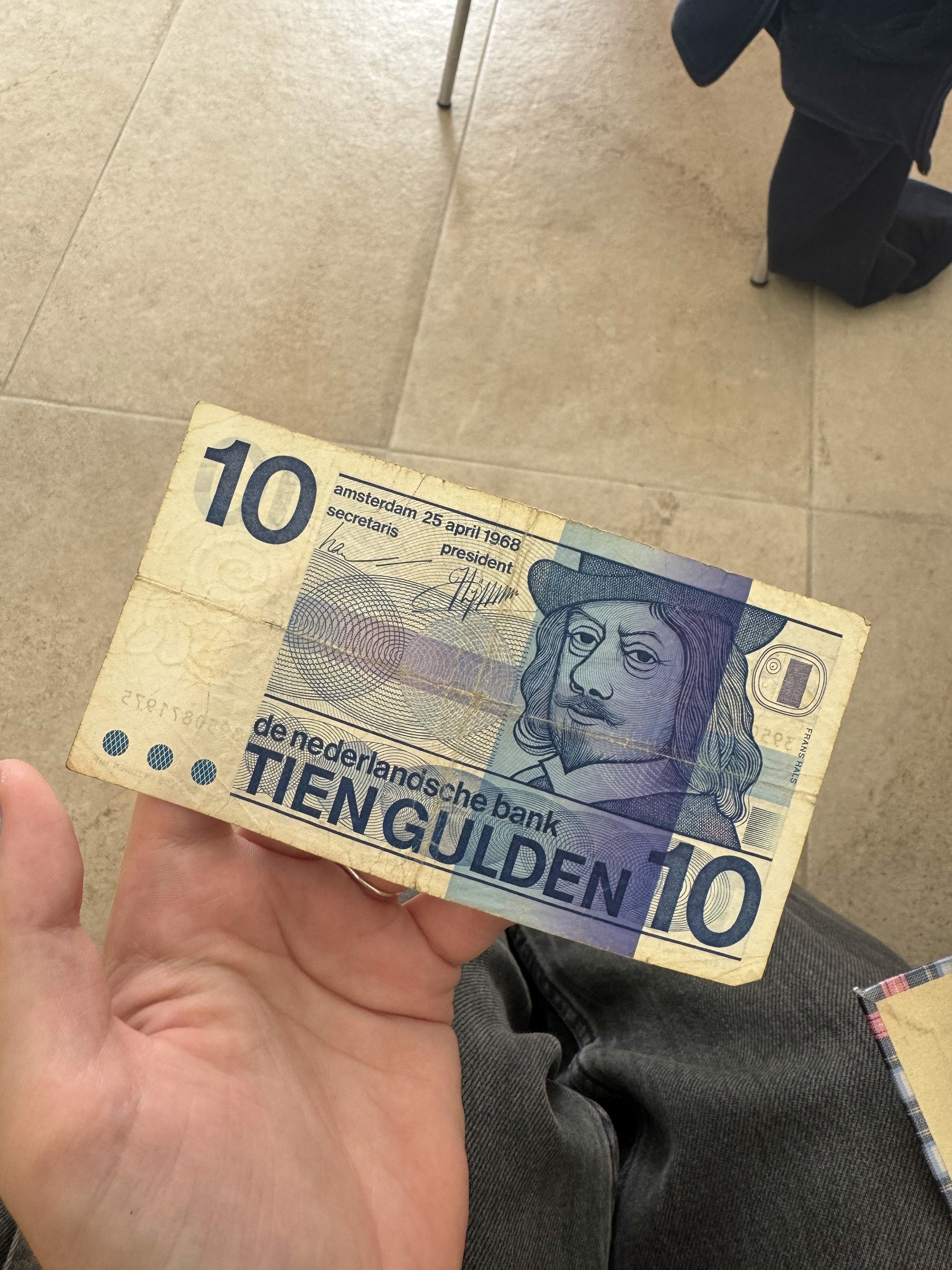
Nobody talks or really thinks about banking when they romanticise the nomad life. It's not exactly sexy, is it haha. They talk about sunsets from laptops and working from beach cafes. What they don't mention is the first time you try to receive a payment in euros into a UK account and lose 4% to a terrible exchange rate, or the moment you realise your debit card charges £5 every time you use an ATM abroad.
Sorting your banking before you leave is one of the most practical and underrated things you can do. Here's what actually works.
Why Your Regular Bank Account Probably Isn't Enough
Most standard bank accounts are designed for people who stay in one country, earn in one currency, and spend in one currency. The moment you go nomad, all three of those assumptions break down. You might be earning in USD, spending in Thai baht, and needing to cover rent in euros. A high street bank account handles that badly and charges you for the privilege.
The fees add up faster than you'd expect. Foreign transaction fees, ATM withdrawal fees, and exchange rate markups can quietly swallow a significant chunk of your income if you're not paying attention. The solution is to stop using your regular bank as your primary financial tool abroad, and set up accounts that are actually built for this.
Wise: Your Financial Backbone
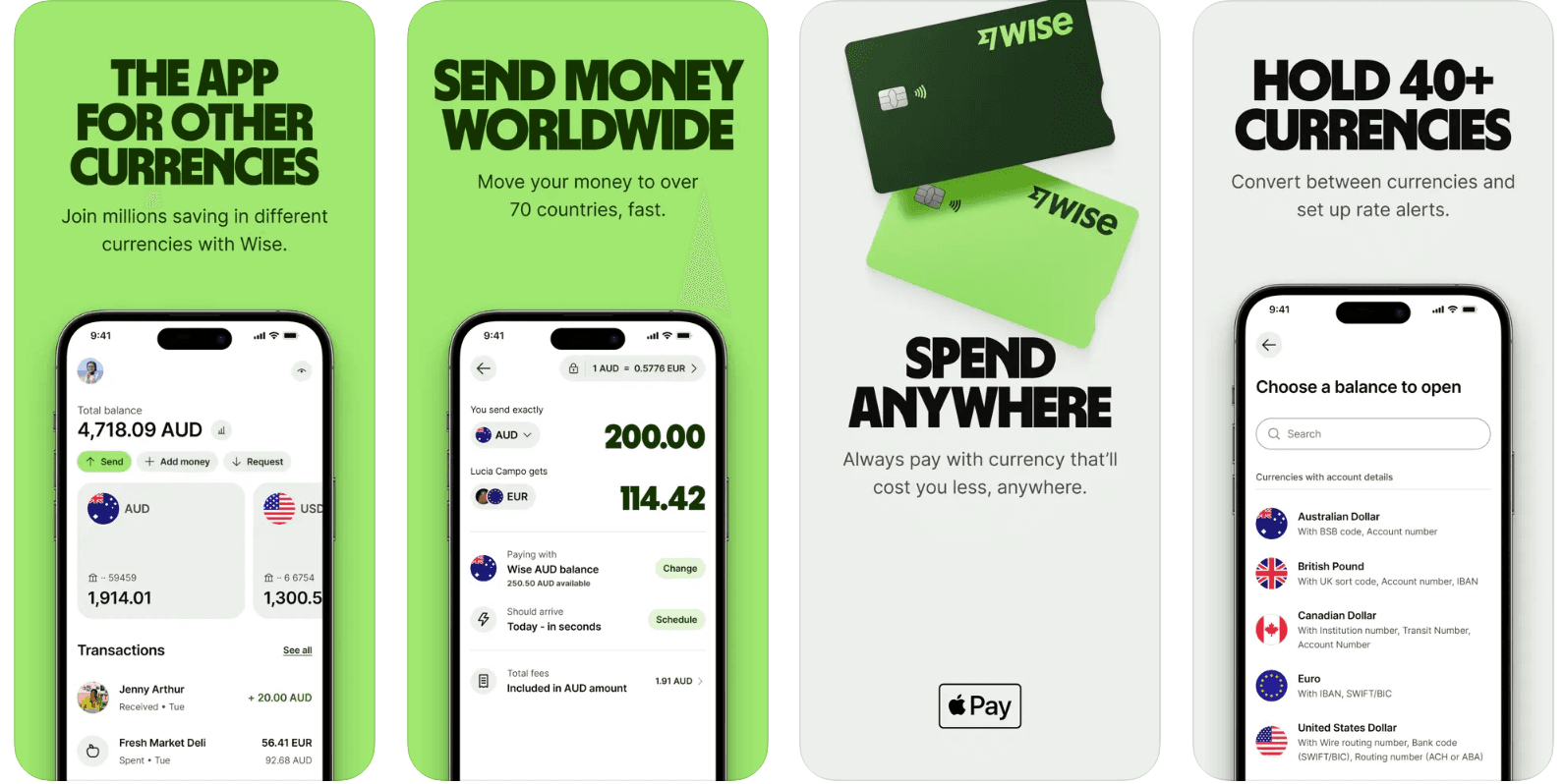
Wise (previously TransferWise) is the closest thing to a universal answer for nomad banking. The core advantage is that it uses the mid-market exchange rate, which is the rate you see on Google, with no hidden markup on top. Fees on transfers are transparent and typically start from around 0.41%, far below what most banks charge.
What makes it especially useful is the multi-currency account. You get local bank account details in over 10 currencies, including USD, EUR, GBP, AUD, and SGD. That means clients and platforms can pay you as if they're paying a local account, without international wire fees on their end. For anyone freelancing or running a business across borders, this is significant.
Use Wise as your financial backbone: receiving client payments, holding different currencies, sending larger amounts home or between accounts. It's not flashy, but it's solid and the fees are fair.
Revolut: Your Daily Wallet
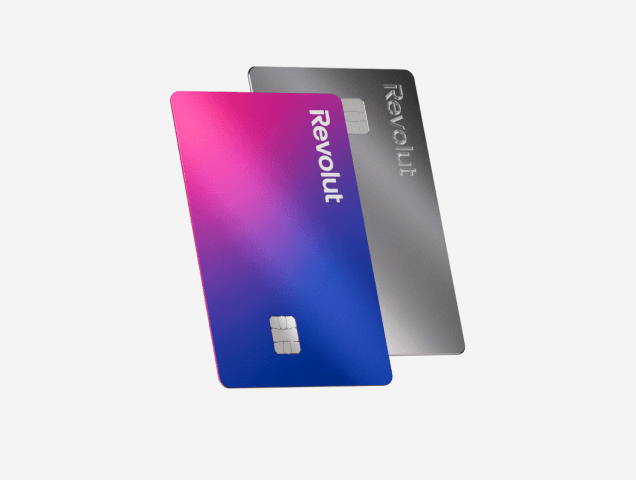
Revolut is where day-to-day spending happens. The app is polished, which I as a designer, love. The spending analytics are very useful for keeping track of what you're really spending in each country (spoiler, it's usually higher than you think lol), and card payments abroad are fee-free on the free tier up to a monthly limit.
Where Revolut is tricky is on exchange rates at weekends. The platform adds a markup when currency markets are closed on Saturdays and Sundays, so if you're converting significant amounts, try to do it during the week. It's a minor annoyance but worth knowing.
The paid tiers unlock perks like higher fee-free ATM limits, travel insurance, and lounge access. Whether those are worth it depends on how heavily you use the account and how much you travel really. For most nomads on the free tier, Revolut as a daily spending card does the job well.
I personally use the Metal plan, which is about €18 a month, and has all the perks i need.
Use Both, Not Just One
The most common advice in nomad communities, and the correct one: open both. Use Wise as the account your money arrives into and where you handle larger transfers and currency holding. Use Revolut as the card in your wallet for daily spending, groceries, transport, and cafes.
Neither platform does everything perfectly. Together, they cover almost everything you'll need.

ATM Strategy
Even with good accounts, cash is still necessary in many parts of the world. Rural areas, local markets, and plenty of hostels or guesthouses in Asia and Latin America operate cash-only. A few things to know.
Wise and Revolut both allow a certain amount of free ATM withdrawals per month. Stay within the free allowance by withdrawing in fewer, larger amounts rather than multiple small withdrawals. Always choose to be charged in the local currency when given the option at an ATM; the machine's own exchange rate is almost always worse than what your card will apply.
Keep a backup card from a separate provider. If your Revolut card gets blocked or an ATM eats it, having a second option avoids a stressful scramble. Some nomads use a Charles Schwab account for the US market specifically because it reimburses all ATM fees globally, which is a useful fallback.
Tell Your Home Bank Before You Leave
This sounds obvious and people still forget it. If your home bank sees spending in five countries in two weeks and you haven't flagged that you're travelling, there's a reasonable chance they'll put a hold on the card as a fraud precaution. Do it before you go. Most banks let you do it through their app now. I've been travelling for so long they are not surprised anymore to see an ATM withdrawal in Thailand one day and a matcha charge from a cafe in Brazil the next hahah #humblebrag.

Getting Paid as a Freelancer or Business Owner
If you're invoicing clients, the currency your invoice is in matters. Invoicing in the client's currency and receiving through Wise is usually the cleanest option: they pay in USD or EUR or whatever makes sense for them, it lands in your Wise account, and you convert when the rate suits you rather than immediately.
For anyone still figuring out the income side of things, there's a full breakdown of ways to earn remotely in my guide to making money as a digital nomad. And for the tax side of managing income across borders, the digital nomad taxes guide covers what you actually need to know.
The Short Version
Open Wise. Open Revolut. Use Wise for receiving income and holding currencies. Use Revolut for daily spending. Know your ATM limits, always withdraw in local currency, and keep a backup card. Avoid converting large amounts on Revolut at weekends.
It takes about 30 minutes to set both up before you leave. Thirty minutes now versus months of paying fees you didn't need to.
Thinking about making the move?
If you're not quite there yet, start with the free digital nomad starter pack. It covers the basics of going location-independent without the overwhelm. Grab it at stellasentiero.com/newsletter. Comes with weekly travel deals, cool trips, giveaways and remote job opportunities! 💌
Follow to learn & travel more
Simple guidance and ideas to earn remotely and start traveling the world

