Travel Tips
The Best Digital Nomad Destinations in 2026 (For Every Budget)
From €700/month in Chiang Mai to €1,500 in Lisbon: the best digital nomad destinations in 2026, with real cost breakdowns and what actually makes them worth it.

Every year there's a new "best city for digital nomads" list that ranks places by Wi-Fi speed and number of coworking spaces and somehow concludes that Lisbon is number one again. Those lists aren't wrong, exactly. They're just missing the stuff that actually matters when you're choosing where to base yourself: what it feels like to live there, whether you'll make friends, whether the cost makes sense for your income, and whether you'll want to stay longer than two weeks.
This isn't a ranked list. It's an honest breakdown of the destinations that are genuinely working for nomads in 2026, at a range of budgets, with the things other guides tend to gloss over.
As a little disclaimer. I have not been to all of these destinations myself. I have been to Chang Mai, Lisbon, Medellin and Bali. So i can vouch for those spots, the other are places also still high on my list, cause i hear about them A LOT from other digital nomads! So i definitely know they are digital nomad approved!
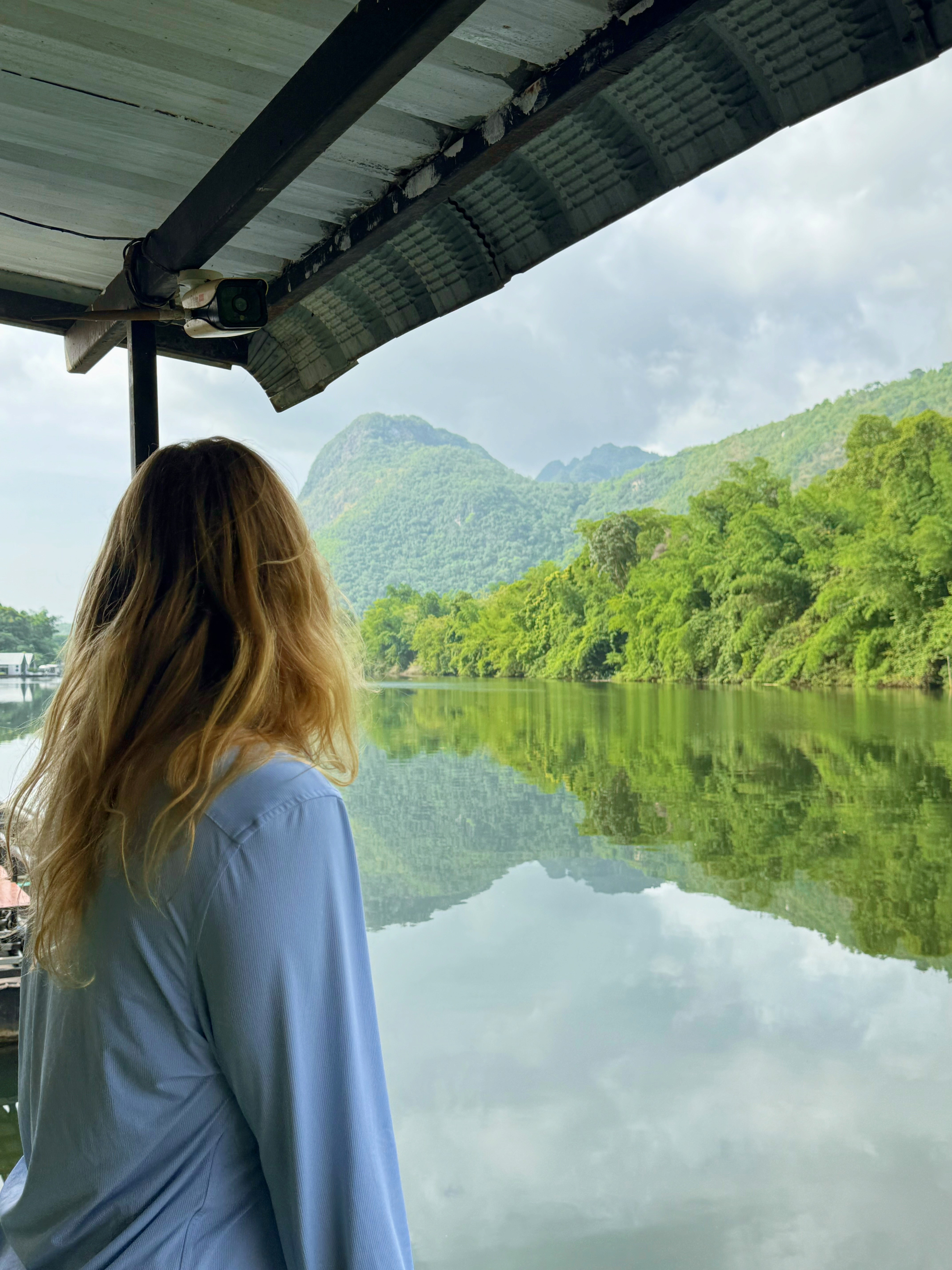
Chiang Mai, Thailand: The Budget Benchmark
Chiang Mai has been a digital nomad hub for over a decade and it still earns that reputation. The cost of living is lower than almost any comparable city with strong nomad infrastructure: comfortable accommodation runs from €250 to €500 per month, street food is excellent and cheap, and there's a long-established community of remote workers with coworking spaces, regular meetups, and a support network for people arriving solo.
Total monthly costs for a comfortable lifestyle sit in the €700 to €1,100 range. That includes a private room or studio, food, transport, a coworking membership, and some social spending. You can live on less. You can spend more. The baseline is genuinely low.
The main thing to know on the visa side: Thailand has tightened up on long-stay tourism visas over the years. The Thailand Long-Term Resident (LTR) visa is the proper long-stay option but requires proof of income. Many nomads still manage on a combination of tourist visas and border runs, though this has become less predictable. Check current requirements before you plan around it. The guide to digital nomad visas in the Americas and Asia has more detail.

Tbilisi, Georgia: The Underrated One
Tbilisi has quietly become one of the strongest options for nomads who want Europe-adjacent culture without European prices. Most passport holders can stay in Georgia for up to a year without a visa, which removes the bureaucracy entirely and makes it a low-friction place to base yourself for an extended stretch.
Monthly costs run from €800 to €1,300, depending on the neighbourhood and your lifestyle. The food is excellent and very affordable, the coffee shop and coworking scene has expanded significantly in recent years, and the city has a distinct character that feels a long way from the generic digital nomad experience. Tbilisi rewards people who are curious and want to actually engage with where they are, rather than those who want a backdrop for laptop photos.
Internet is reliable across most of the city. The challenge is that it's less well-known, which means the nomad community is smaller and more self-selected. That can be a plus or a minus depending on what you're looking for.
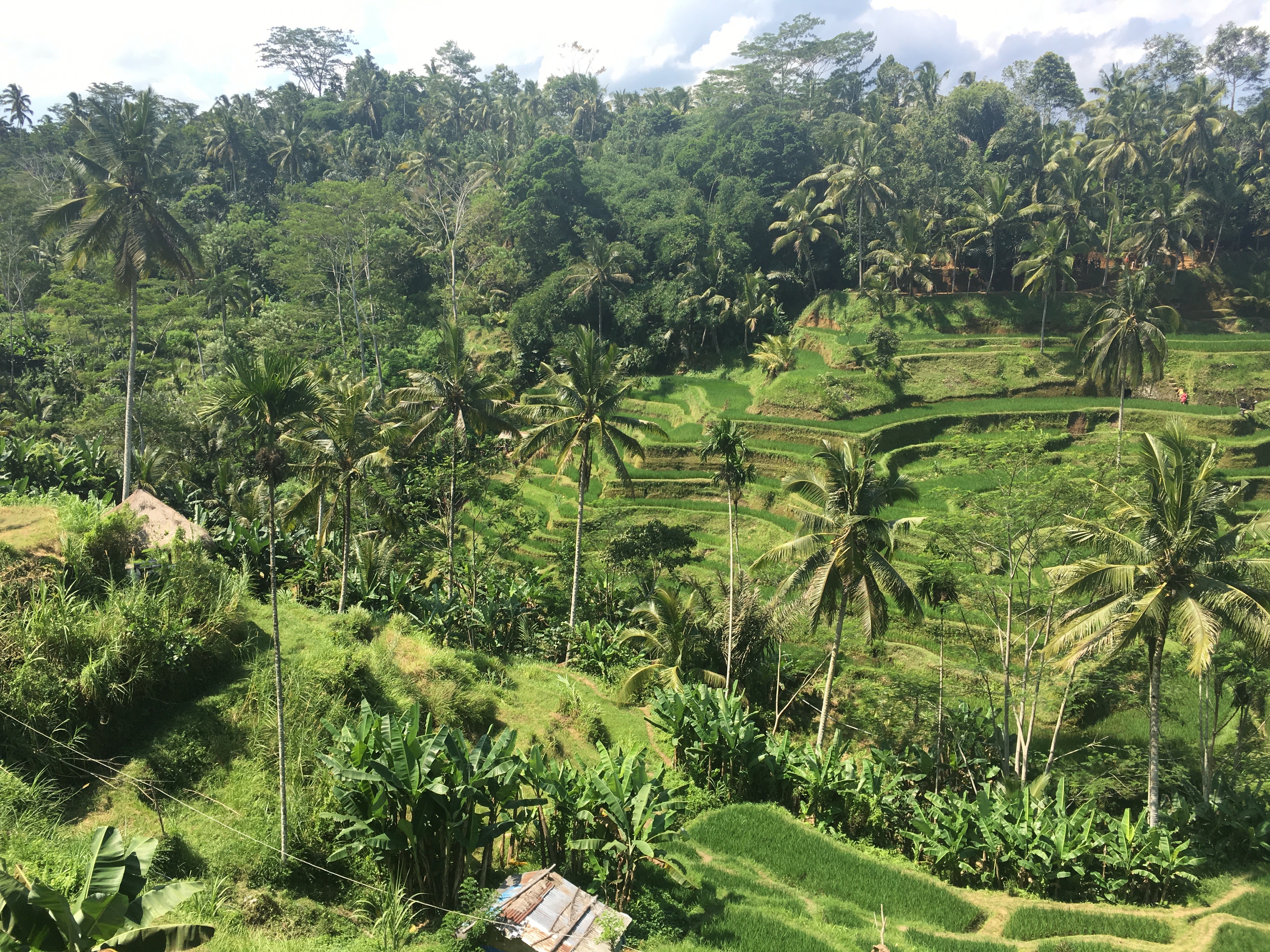
Bali, Indonesia: The One People Have Complicated Feelings About
Bali appears on every list, generates strong opinions, and people keep going back. There's a reason for all three of those things.
Canggu and Seminyak are the main nomad hubs and they have excellent infrastructure: strong Wi-Fi, a dense coworking scene, abundant accommodation, and a social life that more or less organises itself if you're open to it. The Instagram version of Bali is real and it's there if you want it. The more interesting version, the quieter neighbourhoods, the rice fields, the cultural life outside the nomad bubble, is also there if you look for it.
Monthly costs start from around €800 in the quieter areas and climb in Canggu, where popularity has pushed accommodation and restaurant prices up considerably. Budget realistically for €1,000 to €1,500 if you want to be in the thick of the nomad scene. Indonesia has a digital nomad visa now, which makes long stays more straightforward than they were.
The honest caveat: Bali can feel overwhelming and overstimulating if you arrive during peak season. Give it time before deciding it's not for you, and consider basing yourself somewhere quieter than Canggu if you want to actually focus.
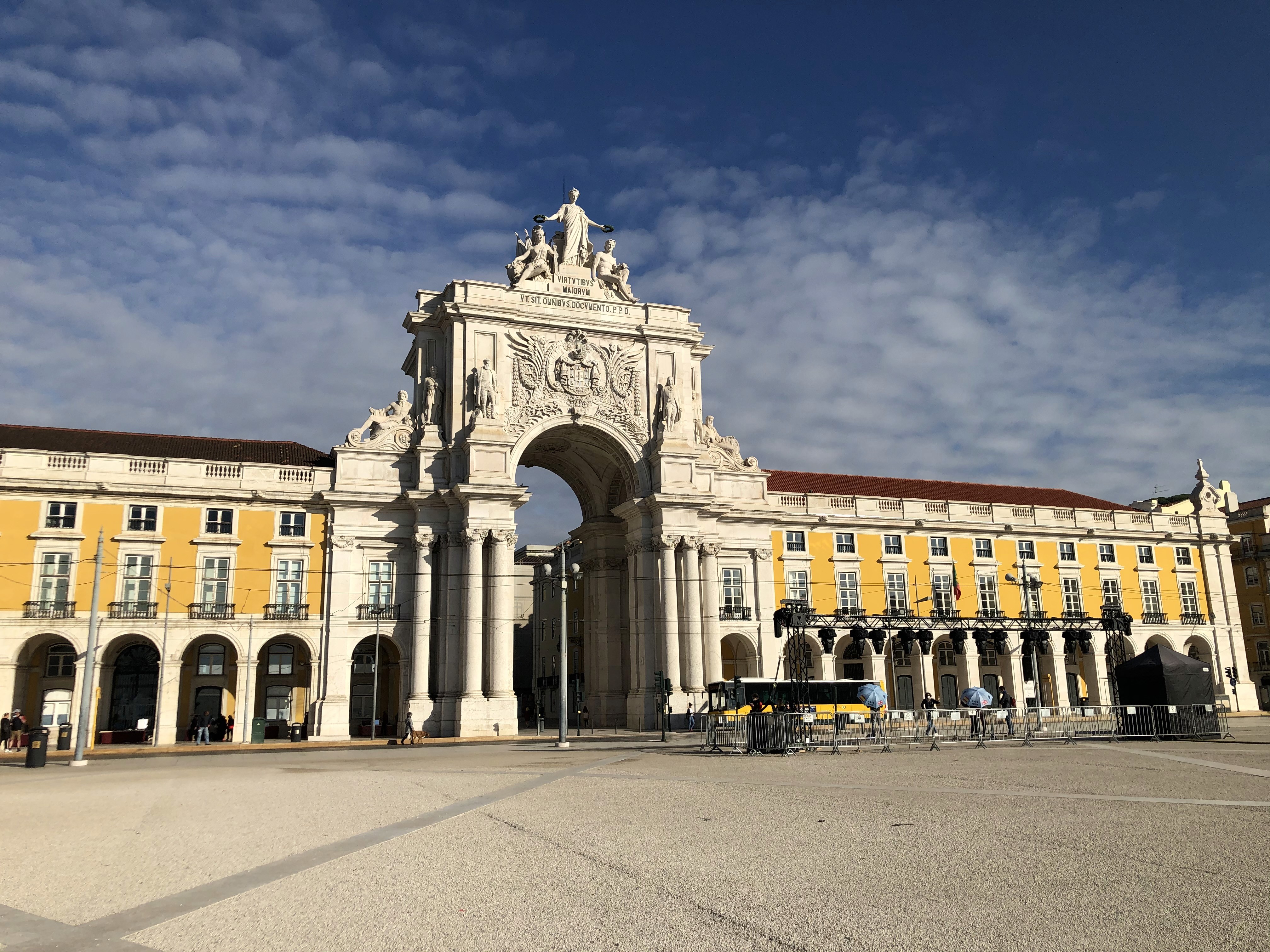
Lisbon, Portugal: The European Standard
If you want European quality of life, reliable infrastructure, English widely spoken, and access to Schengen travel, Lisbon makes a strong case. It's one of the warmest and sunniest capitals in Europe, the food and coffee are good, and the city has a genuine culture that exists independent of the nomad scene.
Monthly costs sit around €1,200 to €1,500 for a comfortable lifestyle, which is high compared to Southeast Asia but reasonable for Western Europe. Portugal has the D8 Digital Nomad Visa for stays beyond the standard Schengen 90 days, which is a clean option for anyone wanting to be based here long-term. There's more on that in the digital nomad visas in Europe guide.
The main thing to know: Lisbon has changed significantly in the last five years. Housing costs have risen sharply, the city is more crowded during peak season, and the "hidden gem" element is largely gone. None of that makes it a bad choice. It makes it a popular, well-functioning city with a good quality of life, which is what it is.
Btw, I spent a coulpe months in Porto in 2020 and i loved it! So definitely visit Porto!
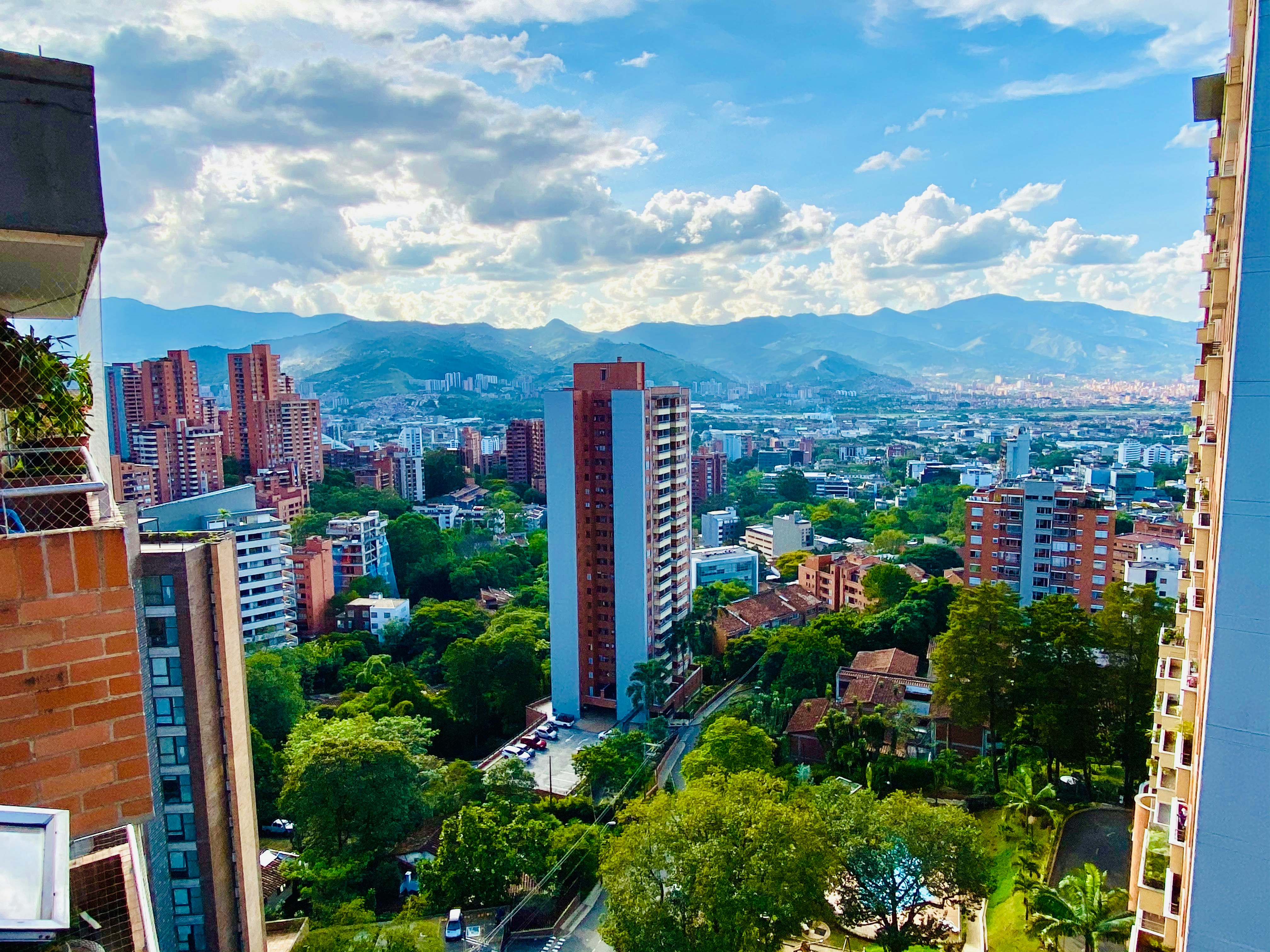
Medellín, Colombia: The Latin America Option
Medellín has had one of the most remarkable urban transformations of any city in the world over the last 20 years and it's now a genuinely excellent place to live. The climate is nicknamed the "city of eternal spring" for a reason: warm but not tropical, consistent, and easy to be outdoors in.
Monthly costs are comparable to Chiang Mai in the €800 to €1,400 range. The food scene is strong, there are excellent neighbourhoods for nomads particularly El Poblado and Laureles, and the local Colombian culture is warm and worth engaging with beyond the expat bubble. Most EU, UK, and US passport holders don't need a visa for Colombia.
The honest note on safety: Medellín's reputation is much better than it was, and the neighbourhoods popular with nomads are safe and well-frequented. That said, do the same common sense research you'd do for any unfamiliar city, read the safety guide, and stay aware of your surroundings. It's a city that rewards people who engage thoughtfully with it.

Da Nang, Vietnam: The Quieter Alternative
For anyone who's heard about Hoi An and Hanoi and wants something with good infrastructure and fewer tourists, Da Nang deserves more attention than it gets. It sits between the mountains and the coast, has an emerging coworking scene, and costs noticeably less than Bali or Bangkok.
Monthly costs can come in under €900 for a comfortable setup. The beach is 15 minutes from the city centre. The food is excellent. It's not as social as Chiang Mai or Canggu, which is either a downside or a selling point depending on what you need.
The Honest Truth About Choosing
The "best" destination depends almost entirely on what you're optimising for. Budget, climate, time zone for your clients, social life, visa situation, proximity to flights home: these variables are different for everyone and they change as your life does.
Start with what matters most to you right now. Test a place for at least a month before deciding if it works. And don't let anyone tell you there's one right answer.
For help with accommodation once you've picked a destination, the guide to choosing accommodation as a digital nomad covers the hostel vs apartment vs hotel question properly. And for booking the flight to get there without overpaying, the cheap flights guide has the tactics that actually work.
Thinking about making the move?
If you're not quite there yet, start with the free digital nomad starter pack. It covers the basics of going location-independent without the overwhelm. Grab it at stellasentiero.com/newsletter. Comes with weekly travel deals, cool trips, giveaways and remote job opportunities! 💌
Follow to learn & travel more
Simple guidance and ideas to earn remotely and start traveling the world