Digital Nomad Life
The Cheap Nomad Era Is Over. Here's What's Replacing It.
65+ countries now have digital nomad visas, but income floors are rising and enforcement is real. Here's what's actually changed in 2026 and what to do about it.
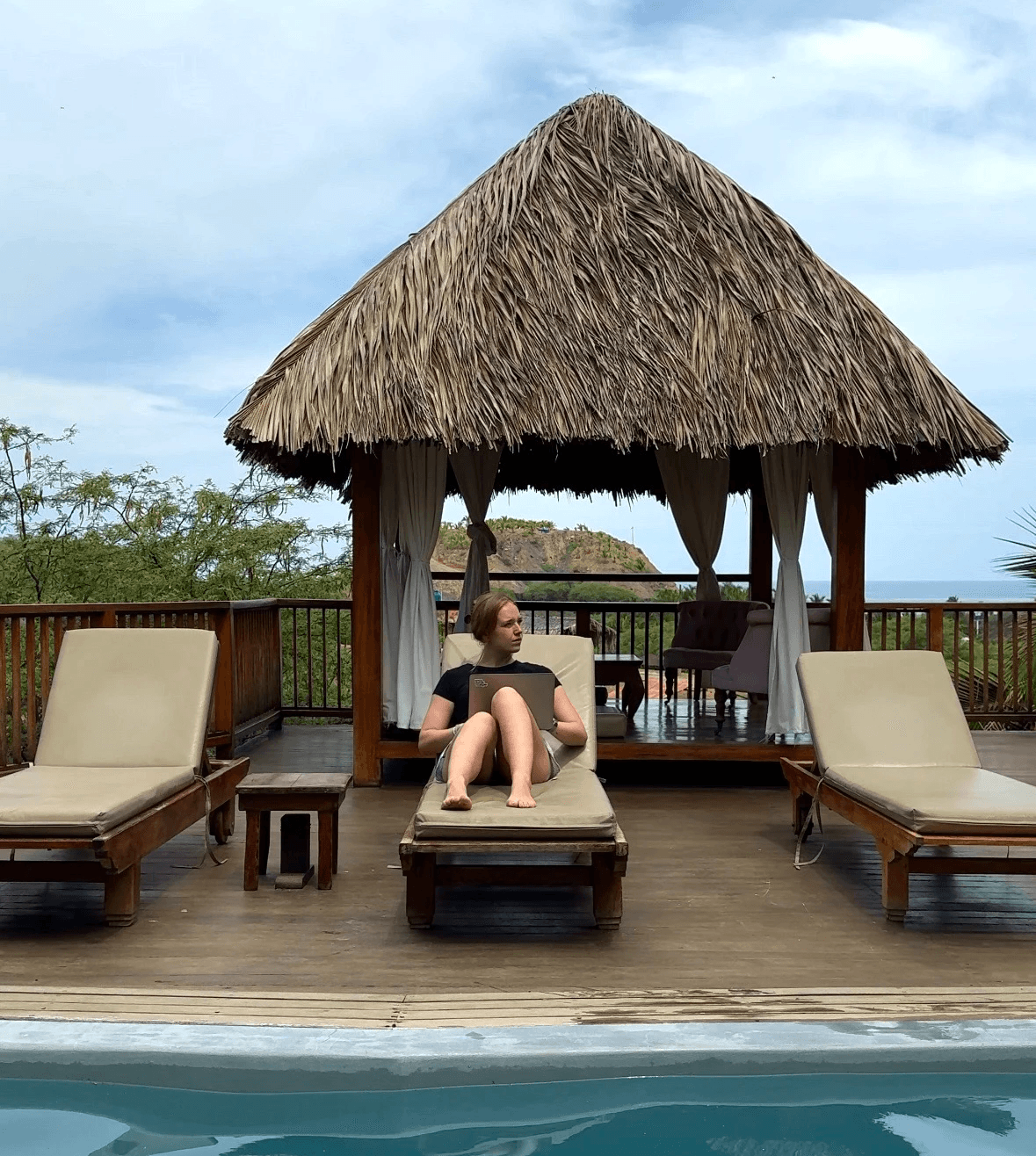
I get some version of this question in my DMs every week: "Can I just work from a tourist visa? Loads of people do it and nothing happens to them."
And you're not wrong.. For a long time it was also the right answer. The truth is that for years, governments either didn't notice, didn't care, or didn't have the systems to enforce much of anything. A lot of people worked on tourist visas and nothing happened. That was the reality.
However, it's changing. Not super dramatically, but slowly and i do want to talk about as it has me slightly worried too. Because if you're still planning around how things worked in 2022, you might be surprised.
More Options Than Ever. Also Harder Than Ever.
Three years ago, around 25 countries had a dedicated digital nomad visa. Today it's past 65. South Korea just officially launched its workation visa. Vietnam has one. Sri Lanka got one earlier this year. The list keeps growing and that's a good thing.
But here's what people don't always realise: more countries offering visas also means more countries paying close attention to what remote workers are doing. The days when "digital nomad" wasn't even a category anyone tracked are kind of over.
And the income requirements are confusing, though. The range is huge. Georgia has no minimum. Colombia is around $1,000 a month. But if you want to be in Spain legally, they want to see around €2,850 a month. Portugal is around €3,950. Croatia, €3,540. The UAE added new documentation requirements too, now asking for six consecutive months of bank statements where they used to ask for three.
So if you read a blog post in 2023 that said "you need €1,200 a month to qualify," worth checking whether that's still true. Some of these numbers get updated every year.
That said, the options are better than they've ever been for people who qualify. My guide to digital nomad visas in Europe and the one covering the Americas and Asia have the current numbers country by country if you want to compare.
The Tourist Visa Risk Is More Real Now
This is the uncomfortable bit… A lot of nomads worked on tourist visas for years and nothing happened. So the logic became: the risk is low, everyone does it, it'll be fine.
For example, the EU tracks exact border-crossing dates across the Schengen area, which means the old trick of hopping between countries to reset your 90 days is now tracked centrally. If you've been doing that, it's worth looking into what that actually means for your situation.
Bali is probably the most visible example of what enforcement looks like when a government really decides to pay attention. Immigration there set up a 100-person task force specifically targeting remote workers. In 2025, 331 people were deported from Ngurah Rai airport alone. In the first six months of 2026, another 342. They check LinkedIn profiles. They look at Instagram. They go into coworking spaces in Canggu and Seminyak. Getting caught means deportation, fines, and potentially a ban on re-entry for up to ten years! 🥹
France is in a legal grey area where some prefectures are already refusing visa renewals if you disclosed remote work. Spain, Portugal, and the UAE have all tightened up in their own ways.
None of this means you're definitely going to get deported for answering emails in Lisbon on a tourist visa. But a couple of years ago the consequences were mostly theoretical. Now they're not.
So What Do You Actually Do
It depends on how you travel and for how long.
If you're moving fast, spending a few weeks somewhere before moving on, tourist visas still make sense in most places. But it's worth knowing the rules of wherever you are, not just assuming you're fine because other people seem to be doing it. Checking your emails is different from invoicing clients.
If you want to stay somewhere for three months or more, it's usually worth just getting the proper visa. The good options really are good right now. South Korea's new visa gives you up to three years and has lower income thresholds for younger applicants. Bulgaria is simple, affordable, and has a flat 10% tax. Georgia still has no income requirement and no minimum stay. Sri Lanka gives you a year with a way to extend.
One thing a lot of people put off for too long is understanding their tax situation. Where you're actually resident for tax purposes and where you're physically living are not always the same thing, and this is getting harder to ignore. The digital nomad taxes post is worth a read before you find yourself somewhere you didn't plan to be for longer than expected.
If You're Just Getting Started
For you, I'd say this: the lifestyle is very much doable in 2026. It's just a bit more paperwork than it used to be.
The people I see struggle are usually the ones who planned based on what they read a few years ago, or what someone in a Facebook group told them worked in 2021. They skip the income thresholds, they don't check the actual visa rules, and they're surprised when reality doesn't match the plan.
The ones who do well just do the research properly before they go. That's it. It's not more complicated than that.
If you're still at the stage of figuring out whether this is even the right life for you, start here. No point stressing about visa rules until you've made the actual decision.
The Bit That Nobody Wants to Hear
More visa options is a good thing. Stricter enforcement of those options is, honestly, fine, if you're doing things properly. The only people who've actually lost something here are the ones who were counting on enforcement staying loose forever.
That was always a gamble. It's just a worse bet now than it used to be.

Want to stay on top of visa changes, travel deals, and remote work news? Join the newsletter and I'll send you everything worth knowing, straight to your inbox. Sign up at stellasentiero.com/newsletter.
Follow to learn & travel more
Simple guidance and ideas to earn remotely and start traveling the world

