Digital Nomad Life
How to Become a Digital Nomad: The Real First Steps (updated for 2026)
Decided you want the digital nomad life? Here are the actual first steps, from income to practicalities! Updated for 2026.

The decision usually happens in stages. First it's a vague idea. Then it's something you look up after a particularly bad Monday. Then one day you realise you've watched the same YouTube video about Bali three times and you're actually considering it..
If you've arrived at the point where the question has shifted from "could I?" to "how do I actually start?", this is for you. Not the fantasy version. The real version.
The Thing That Has to Come First
Before you book a flight, before you start researching visa options, before you decide between Chiang Mai and Lisbon, you need an income. Everything else depends on this.
Working remotely means your work travels with you. That sounds obvious, but it's worth sitting with: you can't become location-independent without a location-independent income. The form that takes is different for everyone. Some people negotiate with their existing employer to go fully remote. Others freelance in a skill they already have. Others build something new entirely. What matters is that the income is real, not theoretical, before you leave.
This is the step most people skip or rush. They figure they'll sort it out when they get there. Some people pull it off. Most end up back home within a few months, out of money and feeling like they failed at something that was actually set up to fail from the start.
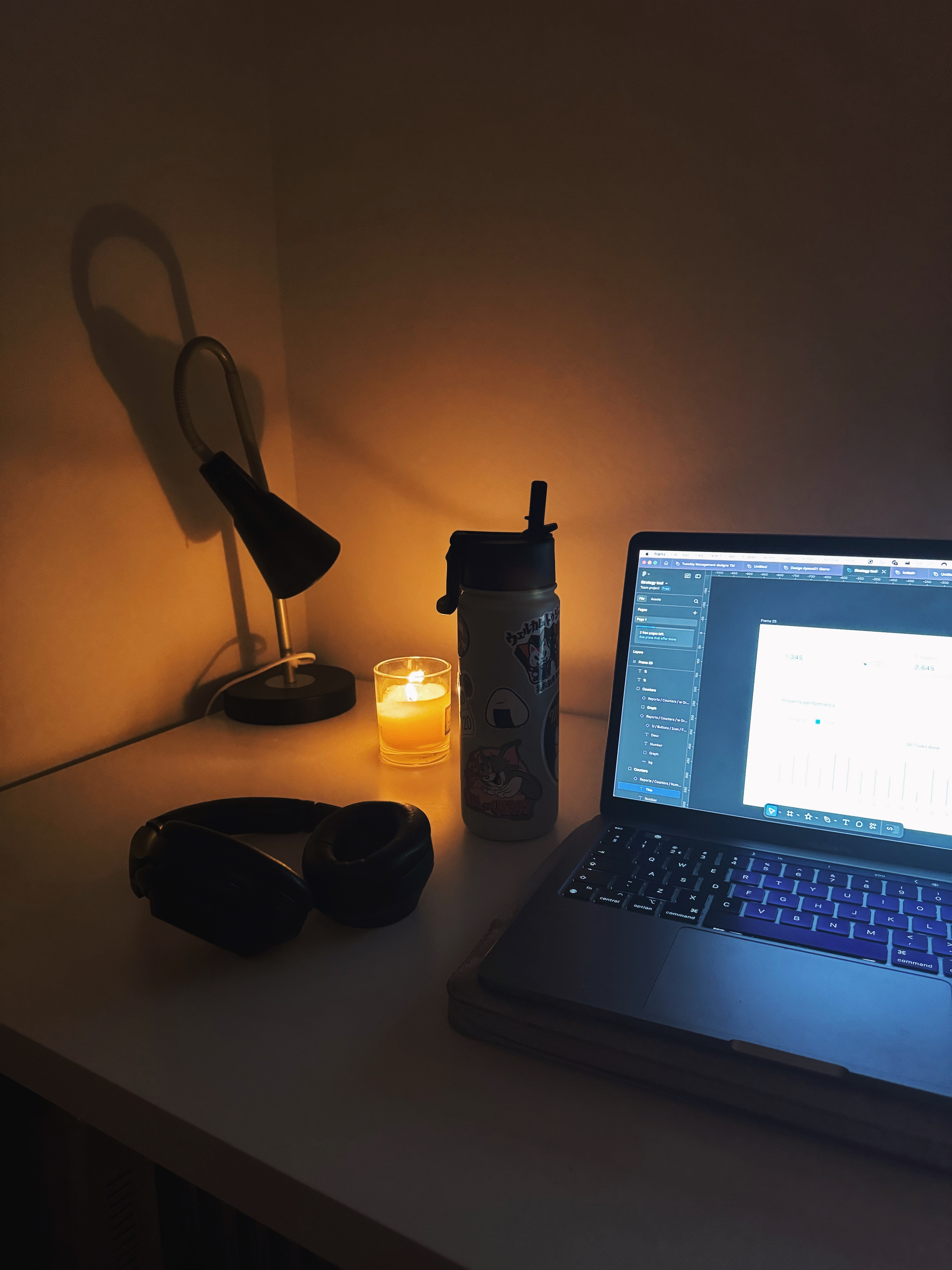
Finding Your Income Stream
The most common starting points for people who are new to working online are freelance writing, social media management, virtual assistance, graphic design, and web development. These are accessible, in demand, and genuinely possible to start without years of experience.
If you already have a professional skill, even better. Copywriting, project management, bookkeeping, HR consulting, legal work, teaching, coding: most industries have a freelance or remote equivalent. The question worth asking is not "what online job could I do?" but "what am I already good at, and is there a way to offer that remotely?"
For building your first online income from scratch, my guide in The Escape Plan walks through the exact steps to make your first €1,000 online. It's the practical starting point if you're not sure where to begin.
How Much Money Do You Actually Need
There are two separate numbers here. The first is your startup buffer: the savings you take with you to cover the transition period, unexpected costs, and the months before your income is consistent. A realistic figure is €5,000 to €10,000 on top of whatever emergency fund you're keeping untouched. Less is possible, but it means less room for error.
The second number is your monthly running costs. In Southeast Asia and Latin America, a comfortable life including accommodation, food, a coworking membership, and travel costs runs roughly €1,200 to €1,800 per month. In Western Europe, that climbs to €2,500 and upwards, depending on the city. Neither number is fixed: lifestyle, accommodation choices, and how often you move all affect it significantly.
The point is not to hit a specific savings target before you go. The point is to know your numbers and not guess.
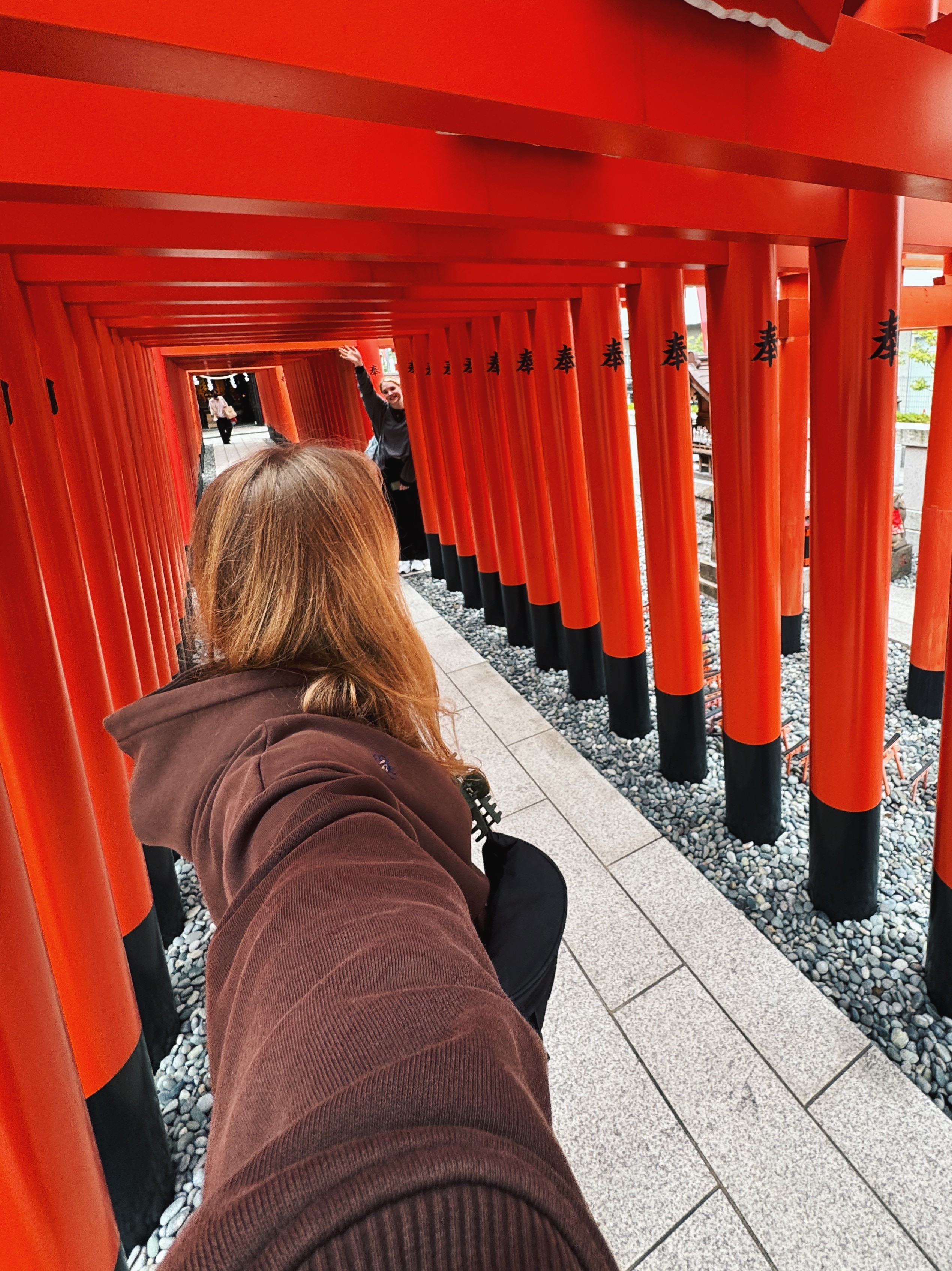
Test Before You Commit
One of the most useful things you can do before going all in is a trial run. Take a longer trip, somewhere you're genuinely considering basing yourself, and work from there for a month. Use it to stress-test the practicalities: the time zones, the Wi-Fi situation, whether you can actually focus, how you feel about being away from your people.
A lot of the questions people agonise over in theory get answered very quickly in practice. Some people discover they love it immediately. Others realise that a few months a year is enough and full-time nomadism isn't what they want. Both outcomes are useful. Neither is a failure.
Sort the Practicalities Before You Go
Once the income is taking shape and you've done a test run, the practical checklist is reasonably short but worth being thorough about.
Insurance comes first. Standard travel policies don't cover long-term travel or remote work. SafetyWing is the go-to starting point for most nomads: rolling monthly subscription, 180+ countries, and built for this lifestyle. There's a full breakdown of what to look for in the travel insurance guide.
Banking comes next. Open a Wise account for receiving income and holding multiple currencies, and a Revolut for daily spending. Doing this before you leave saves significant time and hassle. For the detail on why and how, the digital nomad banking guide has everything you need.
Your visa situation depends entirely on where you're going, how long you're staying, and what passport you hold. For most people starting out, tourist visas in nomad-friendly countries buy enough time to figure things out. If you're planning to stay in one place longer term, many countries now offer dedicated digital nomad visas. The guide to digital nomad visas in Europe and the Americas and Asia guide are good starting points.
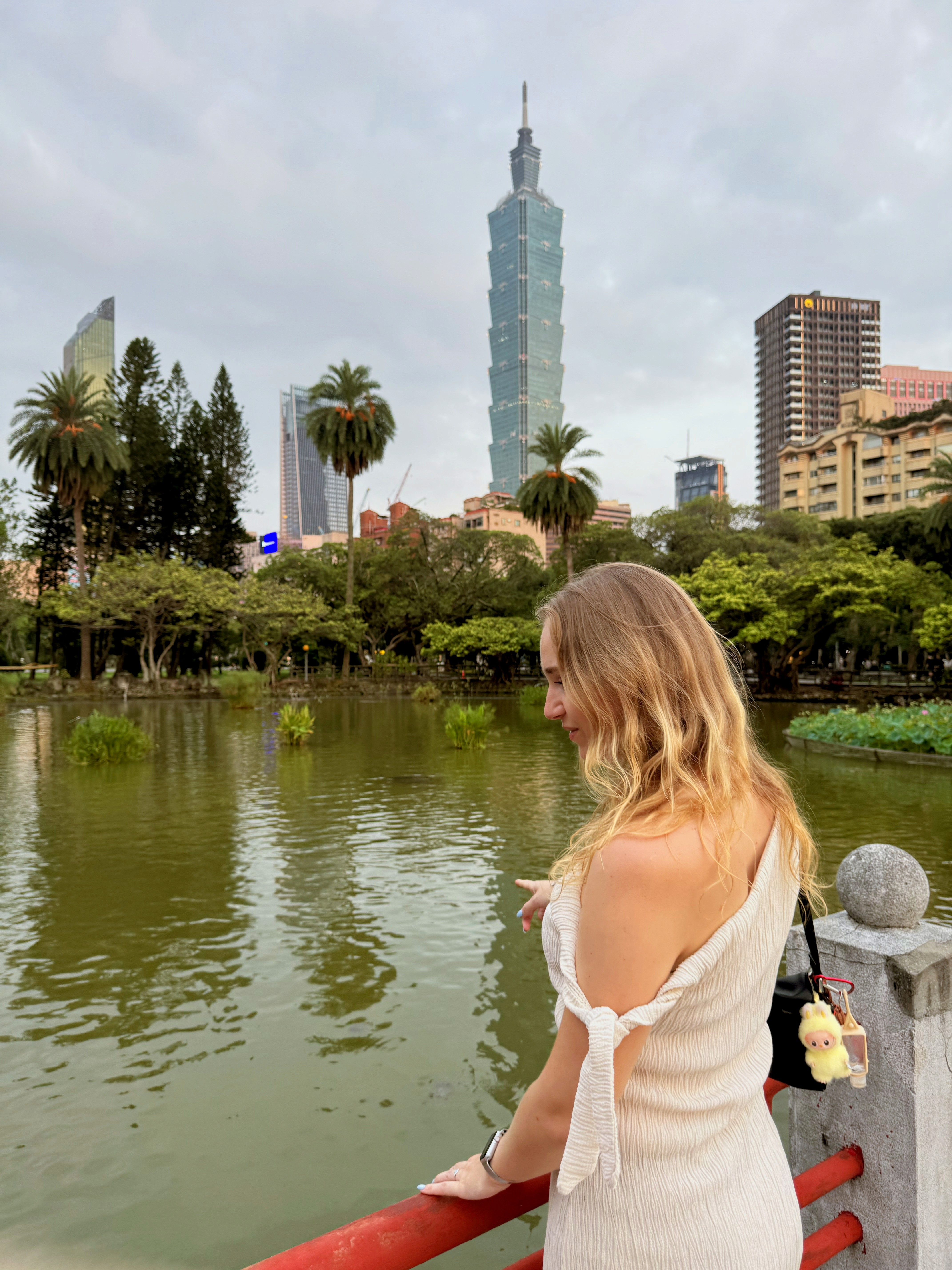
What Nobody Tells You
The lifestyle is real and it's worth it, but it requires more self-management than most people anticipate. When no one is watching you work, when your office is a cafe in a city where you could be doing literally anything else, you find out very quickly whether you're actually self-motivated or whether you've been relying on external structure your whole career.
The social side is its own adjustment. Leaving your existing community doesn't mean being lonely, but it does mean actively building new connections rather than falling back on what's already there. That's a skill that takes time to develop.
It's also worth knowing that most people don't do this forever. The lifestyle evolves: some nomads slow down and base themselves in one or two places, others return home and take what they've built with them. Going nomad doesn't have to mean committing to permanent travel. For an honest look at whether this life is actually for you before you commit, there's a whole post on exactly that: is the digital nomad life for me?
The Short Version
Sort the income first. Build it before you leave, not after. Know your numbers. Do a trial run. Handle the practicalities: insurance, banking, visa. Then go.
None of this is complicated. It's just the order that works.
Thinking about making the move?
If you're not quite there yet, start with the free digital nomad starter pack. It covers the basics of going location-independent without the overwhelm. Grab it at stellasentiero.com/newsletter. Comes with weekly travel deals, cool trips, giveaways and remote job opportunities! 💌
Follow to learn & travel more
Simple guidance and ideas to earn remotely and start traveling the world

