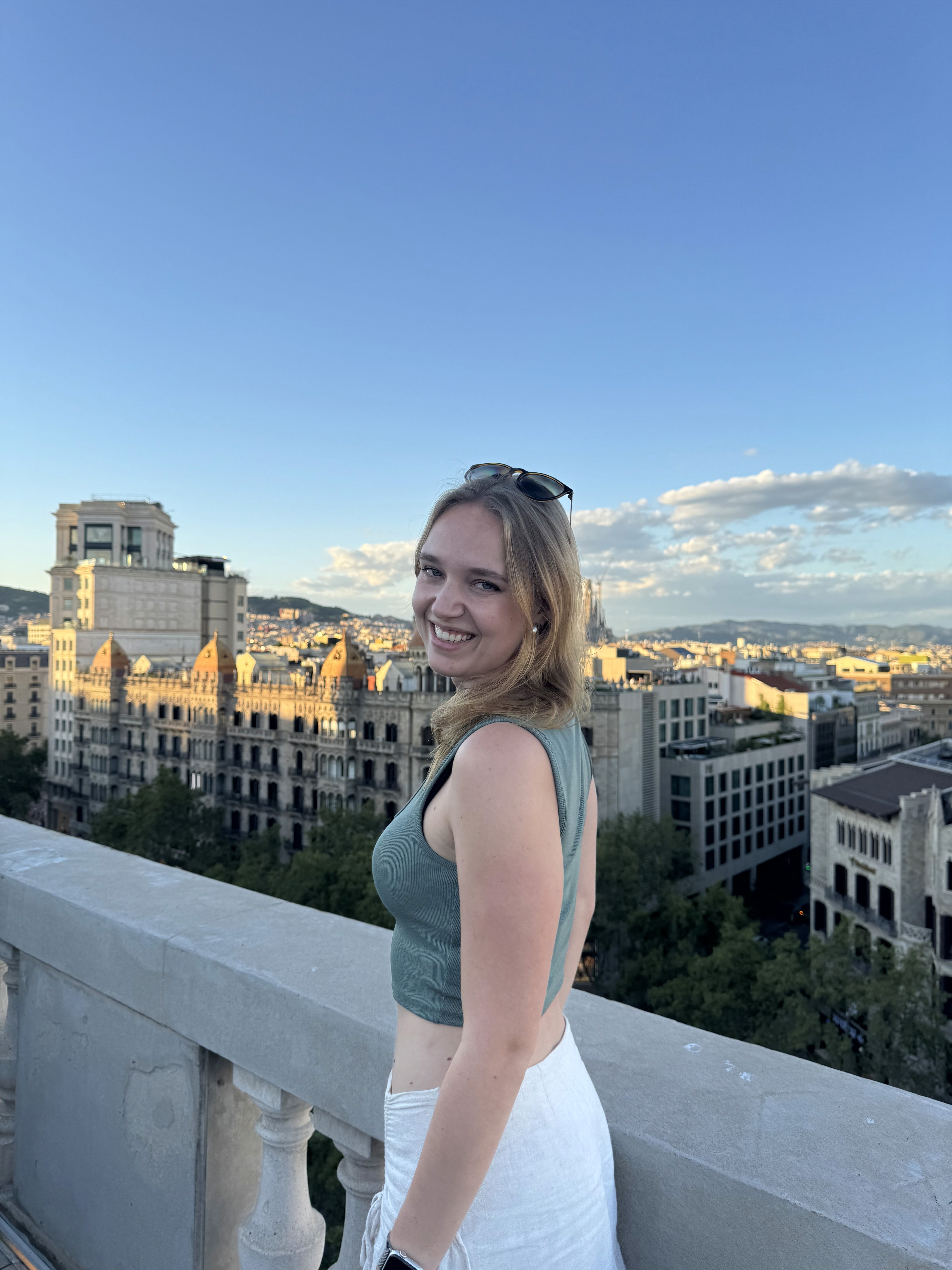
Digital Nomad Life
Why So Many Young People Are Becoming Digital Nomads
Housing feels out of reach and burnout is everywhere. Here's why record numbers of Gen Z and Millennials are choosing digital nomad life instead.
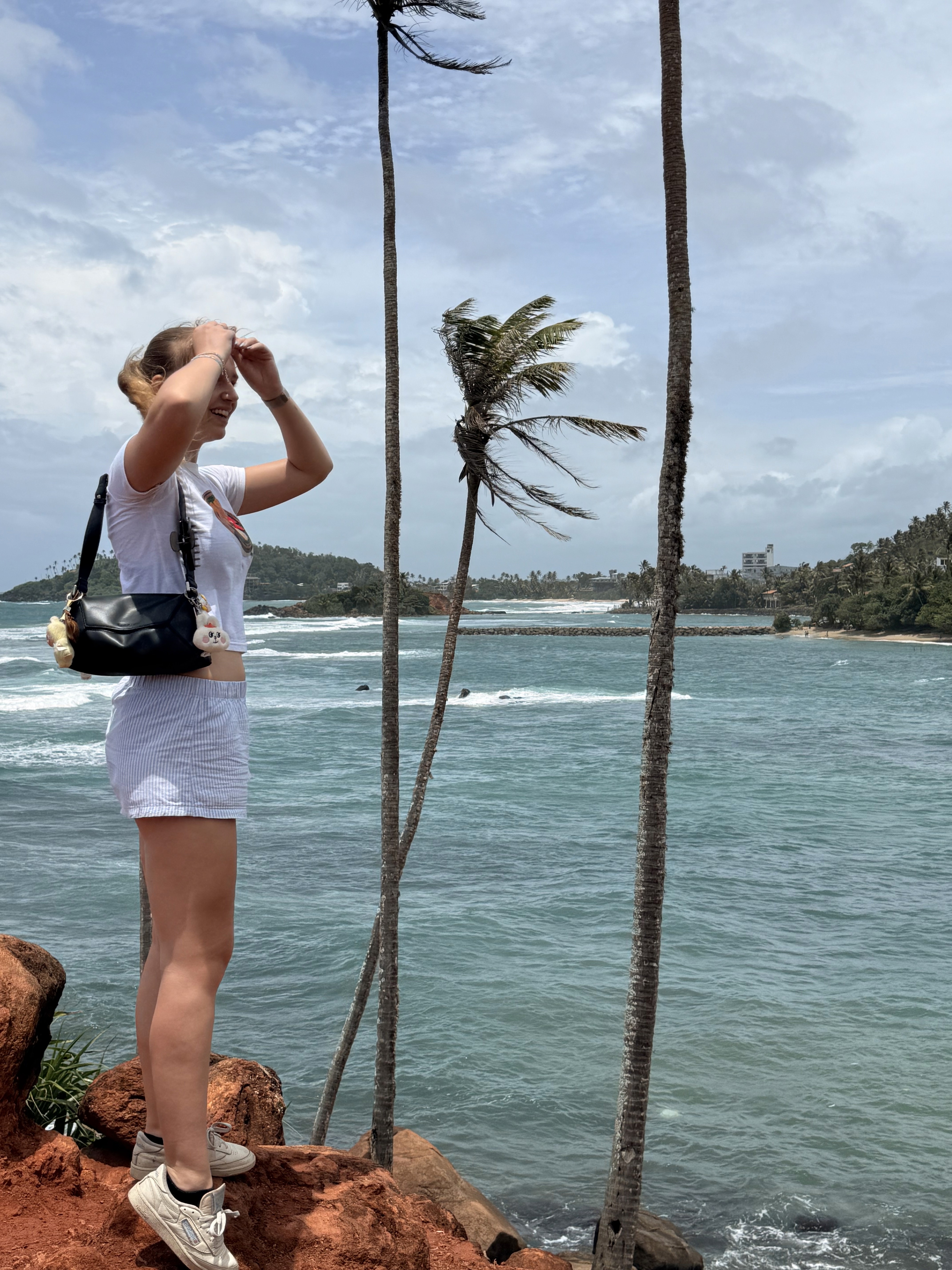
Right now there are about 18.5 million digital nomads in the US. That's according to research from MBO Partners. Back in 2019, it was 7.3 million. That's a big jump, and a fast one too.
The UK tells a similar story, just from a different angle. A 2026 report from the Intergenerational Foundation looked at housing fairness. Eight out of ten measures it tracks got worse over the last 30 years. People rent for longer. First-time buyers wait longer to buy a home. Different country, same problem: living simply costs more every year, so people make different decisions to make it work.
When living somewhere gets more expensive, and your job lets you work from anywhere, leaving to lower your living expenses starts to make sense. It's not really just the adventurous choice anymore. It's just the smart one.
Three out of four American digital nomads today are Gen Z or Millennials, and the pattern isn't limited to America. If it feels like everyone in your feed is already abroad, or planning to be, you're not imagining it. (I'm hopefully one of those people on your feed (; )
This Is Not Really About Wanderlust
It's easy to assume this is just a generation that loves travel more than the last one. And we just want to be free or whatever. But the numbers say something else.
A recent SoFi and YouGov survey asked over 4,000 American adults what success means to them. 59% said enjoying life matters more than owning a home. Only 27% picked homeownership as the real marker of success. Seven in ten said they'd slow down their savings for time with family, or for experiences that actually mean something.
People still want to do well of course, but it looks different now. Less "buy a house by thirty." More time, more flexibility, freedom. The old goals feel out of reach anyway, I think.

Geo-Arbitrage Is Doing a Lot of the Work
There's a word for this which I just learned: geo-arbitrage. Sounds complicated. It isn't.
Basically, you earn in a strong currency. You spend somewhere prices are lower. The gap between the two is what you save. Done properly, that gap can be 50% or more, and most salaried jobs back home can't touch that, no matter what you earn or what passport you hold.
Most Gen Z and Millennials would move somewhere cheaper if their job allowed it. Makes sense. When home keeps getting pricier and your job doesn't care where you are, moving stops just makes the most sense. And many people will take that step.
It Is Not All Beach Days and Laptops
There is something to know, though, before you book your flight. Only 11% of digital nomads keep this lifestyle going for more than five years. I'm currently on my third year, and I still love it and could see myself doing this for another 3 years, but I also understand why many stop.
Of course what you see less of online are the harder parts. iews don't show you the hard bits, though: visa admin, loneliness, missing people who actually know you well, missing birthdays and events, travel stress and more.
I've written honestly about this before, because it's only fair. If loneliness is what's holding you back, read this piece on the digital nomad loneliness paradox. It explains why it happens and what helps for me. Wondering if this life is even still worth it? Is the digital nomad lifestyle dying in 2026 answers that!
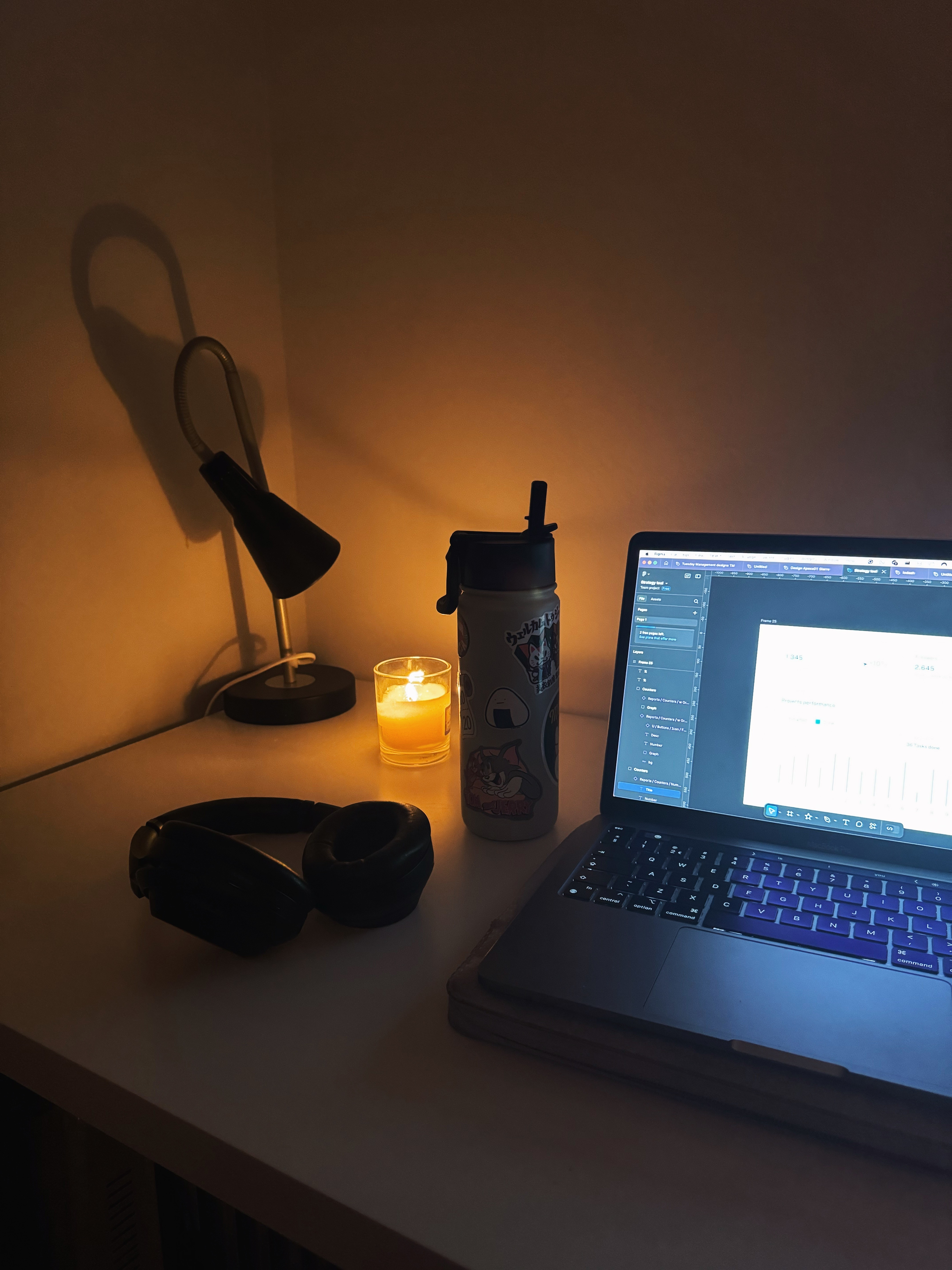
Building Their Own Thing, Not by Choice Alone
The same SoFi survey found something else. 77% of Gen Z believe they could start their own business. Only 58% of older generations feel the same.
Put that next to the housing numbers, US or UK, and the pattern is clear. When the old path feels shut, people build their own. From wherever they happen to be sitting that week. And i think it shows that we are able to adapt and change and make it work.
This generation is building a different kind of stable. One that doesn't need a mortgage. One that doesn't need a single employer either.
If You Are Thinking About Making the Jump
The jump isn't easy. I won't pretend it is. But the numbers are honest about one thing: trying makes more sense now, wherever you're starting from.
Not sure what comes first? Start with how to become a digital nomad: the real first steps. It's the most practical place to begin.
Ready to Build the Income That Makes This Possible?
Every version of this story needs one thing: income you can earn from anywhere. The Escape Plan shows you how to make your first €1,000 online, step by step, starting from zero. It costs €17. Get The Escape Plan here.
Follow to learn & travel more
Simple guidance and ideas to earn remotely and start traveling the world