Visas & Residency
Malaysia Digital Nomad Visa 2026: Is DE Rantau Worth It?
Malaysia just topped a major nomad ranking. Here's what the Malaysia digital nomad visa (DE Rantau) really costs, requires and leaves out in 2026.

Malaysia just got named the best country in the world for digital nomads
The Rumavi Global Relocation Index 2026 scored 192 countries on cost of living, tax treatment, safety and visa access, then reweighted the results for different types of movers. For the digital nomad category specifically, Malaysia came out on top. Portugal took second, Thailand third, then Georgia and Taiwan rounded out the top five, as Time Out reported when the index dropped in late July.
Malaysia sits third overall on the index's general ranking, behind Estonia and one other country, but the nomad-specific score is where it really shines. It scored 97.8 out of 100 for general affordability and 85 out of 100 for how it treats foreign income tax. Digital infrastructure came in at 80. Basically, cheap living, decent wifi, and a government that doesn't want a cut of the money you're earning from clients abroad.
That's the headline. What actually matters if you're weighing up a move is whether the visa behind that ranking holds up once you dig into it. It mostly does, with a few catches worth knowing before you book anything.
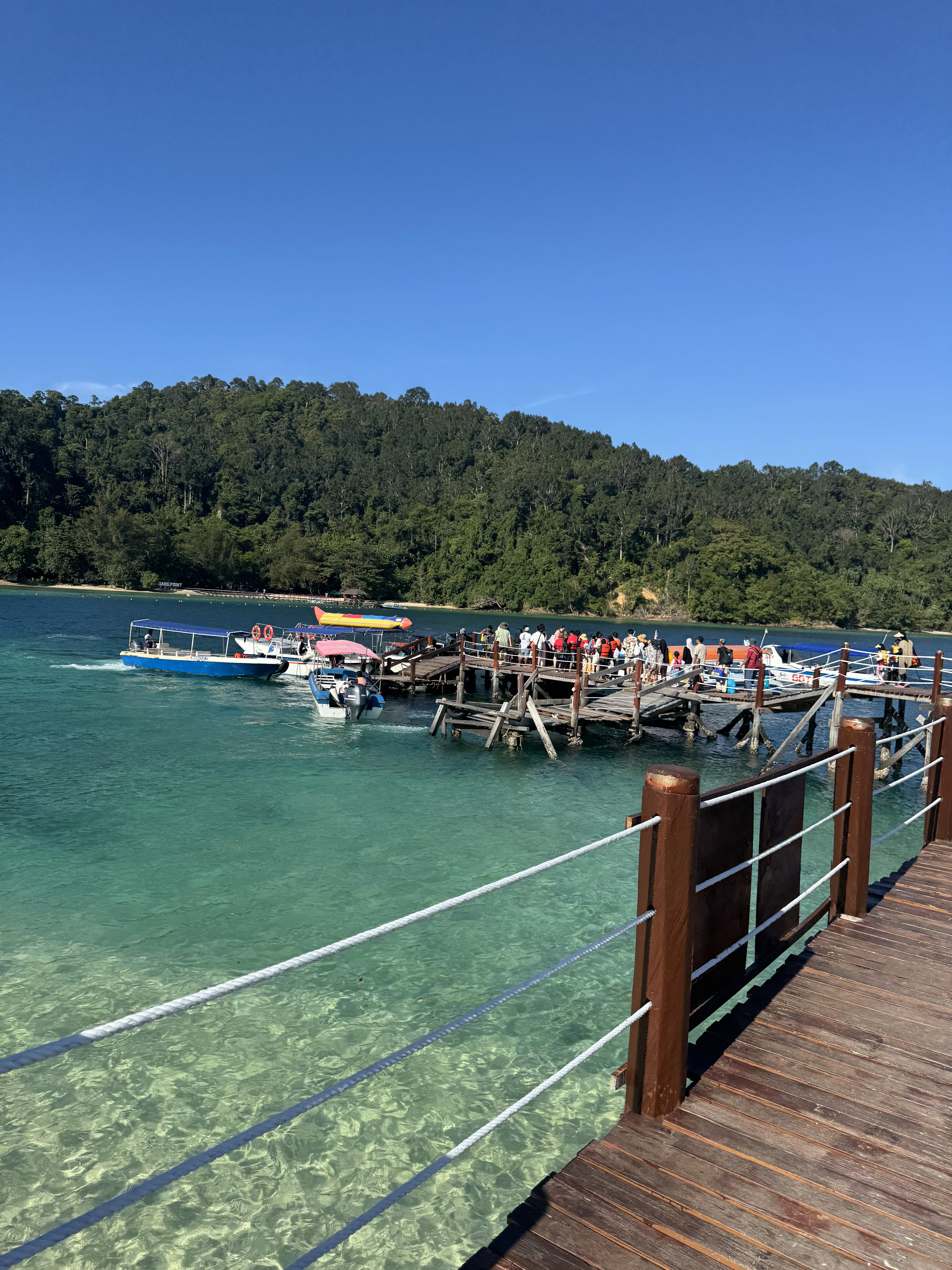
Why Malaysia works as a nomad base
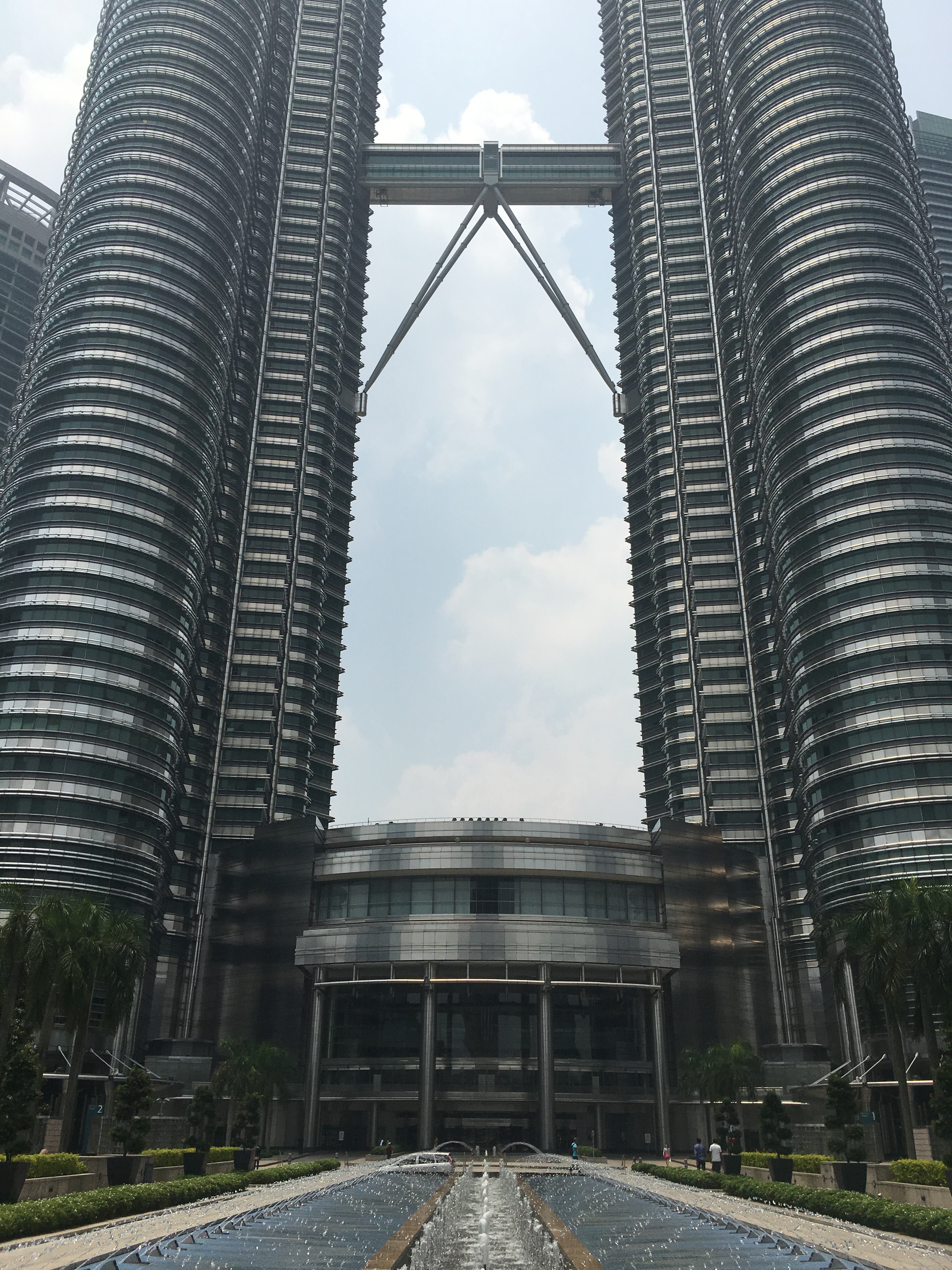
Kuala Lumpur is the obvious pick if you want strong internet, easy flight connections and a proper co-working scene. Mont Kiara and Bangsar are where most remote workers land, and a one-bed furnished flat there runs somewhere between RM3,000 and RM5,000 a month, so roughly £520 to £870. Penang, and George Town specifically, comes in up to 30% cheaper on rent, with a genuinely lovely old town and a growing digital nomad crowd, though flight options are more limited than out of KLIA.
The weather is easy too. It's tropical year-round, hot and humid, with temperatures generally sitting between 23°C and 33°C. No six-month grey stretch to plan your life around.
If you've read my guide to the best digital nomad destinations for every budget, Malaysia slots in comfortably at the affordable end without the compromises that usually come with cheap. Food is excellent and inexpensive, English is widely spoken, and the country's multicultural mix (Malay, Chinese, Indian, and Indigenous communities) means you're never short of something new to try.

The Malaysia digital nomad visa: what DE Rantau actually takes
Malaysia's dedicated digital nomad visa is called the DE Rantau Nomad Pass, run through the Malaysia Digital Economy Corporation. It gives you up to 12 months in the country, renewable for another 12, and it's one of the more accessible digital nomad visas in the region if your income fits the brackets.
Here's what you're working with:
Minimum income of USD 24,000 a year if you're employed remotely in a tech or digital role
USD 60,000 a year if you're a freelancer or working outside tech, such as law, accounting or consulting
Application fee of roughly RM1,000 to RM1,080 (about £175 to £190) per applicant, plus a dependent fee for anyone travelling with you
Mandatory private health insurance, since DE Rantau holders can't access Malaysia's public healthcare system
Processing officially takes 6 to 8 weeks, though real-world waits have run longer
You apply entirely online through the MDEC portal, and no agent is needed, whatever anyone selling "visa services" tells you.
What the ranking doesn't tell you
This is the part worth reading properly before you get excited and book a flight.
DE Rantau only covers Peninsular Malaysia. Sabah and Sarawak, on the island of Borneo, run their own immigration systems entirely separately, a setup that dates back to how those states joined Malaysia in 1963. If Kota Kinabalu or Kuching is where you actually want to be based, DE Rantau gives you no legal cover there. You'd be relying on short Social Visit Passes at the border instead, which is fine for a visit but not a real long-term plan.
Banking is also patchier than you'd hope. Traditional banks like Maybank and CIMB accept DE Rantau as ID at some branches and not others, seemingly at random. Digital banks such as BigPay and Boost tend to be easier to open and cover day-to-day spending fine, but it's worth checking with your bank of choice before you land rather than after. If you've read our guide to banking as a digital nomad, you'll already know this kind of patchwork setup is normal, and Malaysia is no exception.
Then there's tax. Malaysia crosses you into tax residency at 182 days in a calendar year, which a standard 12-month DE Rantau stay will always do. The country runs a territorial tax system, meaning foreign-sourced income is generally exempt, but a 2022 amendment complicated how that exemption applies to income you actually bring into the country. For most remote workers on modest incomes this ends up being a non-issue, but if you're earning well or have a complicated income setup, it's worth a proper conversation with a tax advisor before you commit to the full year. Our guide to digital nomad taxes is a good starting point for understanding how this kind of residency trigger works more broadly.
One more honest note: Malaysia scored just 39 out of 100 on the index for business opportunity. If your plan is to build a company from a KL co-working space rather than simply work remotely for someone else, this is not the strongest market for that.
So, worth it?
If your income is clean, foreign-sourced and comfortably above the threshold, and you're happy basing yourself on the Peninsula for a proper 12 months, this digital nomad visa is genuinely one of the easier passes to get right now. It compares well against alternatives like Thailand's DTV or other Asia and Americas visa routes, especially if you'd rather have formal, documented status for signing a lease than rely on tourist-visa runs.
Where it falls down is if you've got mixed or irregular income, you're dreaming of Borneo rather than KL, or you want a route toward permanent residency somewhere down the line. Time on DE Rantau counts for nothing toward that. For that longer game, Malaysia My Second Home is the separate programme to look at, and it comes with a much higher price tag.
The ranking is real, and Malaysia earned its spot at the top. Just go in knowing exactly what you're signing up for, not what the headline promised.
Figuring out where to base yourself is one decision. Actually building an income that lets you make that call freely is the harder part. The Escape Plan walks you through making your first €1,000 online, step by step, so wherever you land next, you're not choosing it out of desperation. Check it out here.
Follow to learn & travel more
Simple guidance and ideas to earn remotely and start traveling the world